


Introduction:
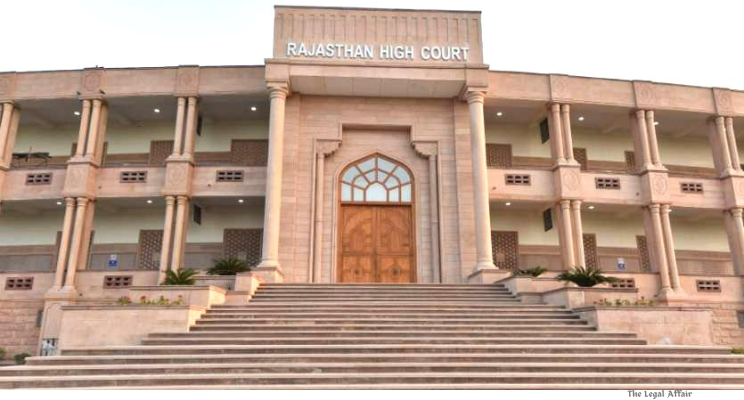
In a landmark ruling, the Rajasthan High Court denied bail to an accused in a case where the victim’s nose was brutally cut off. The case, Hafeez & Ors. v. State of Rajasthan, was presided over by Justice Rajendra Prakash Soni, who highlighted the profound physical, emotional, and cultural consequences of the act. The accused, who was the brother-in-law of the victim, sought bail after being charged with grievous hurt and attempted murder. However, the Court, acknowledging the symbolic importance of the nose in Indian society, rejected the bail plea, emphasizing that nose-cutting historically signifies punishment, humiliation, and revenge. This decision underscores the court’s understanding of the broader implications of bodily disfigurement beyond physical injury.
Arguments Presented by Both Parties:
Accused’s Arguments:
- Nature of Injury and Lack of Expert Testimony:
The accused’s counsel contended that the injury sustained by the complainant, though serious, was not life-threatening. They argued that the charges of attempted murder were overstated since the injury involved only a single cut to the nose. Moreover, they pointed out the absence of expert medical testimony to substantiate that the injury was grievous or fatal. This, they claimed, rendered the charges exaggerated, and the accused should be granted bail while awaiting trial.
- Dispute Over Matrimonial Issues:
The defense also noted that the incident occurred amidst a long-standing family feud, particularly relating to matrimonial issues. Both the accused and the complainant were estranged from their wives, and this tension had escalated due to the complainant allegedly arranging a second marriage without divorcing the accused’s sister. The defense portrayed the altercation as a consequence of these ongoing disputes, arguing that it should be viewed in the light of these emotional pressures.
- Questioning the Severity of the Crime:
The defense attempted to minimize the severity of the crime, arguing that while the act of cutting off the complainant’s nose was serious, it did not justify the application of an attempted murder charge. They urged the Court to consider the emotional and family context, claiming that the act was an emotionally driven response rather than a calculated crime.
Prosecution’s Arguments:
- Premeditated and Brutal Act of Violence:
The prosecution, on the other hand, stressed the premeditated nature of the crime. They argued that the act of cutting off the victim’s nose was a deliberate and calculated attack, as the accused had enlisted the help of others to ambush the complainant. This, they claimed, demonstrated clear intent and cruelty, with the attack serving as more than just physical harm—it was an act intended to permanently disfigure and shame the victim.
- Cultural and Social Implications of Nose-Cutting:
The prosecution emphasized that the act carried immense cultural significance. Historically, nose-cutting in India symbolizes deep humiliation and disgrace, often used as a form of revenge or punishment. In this case, the accused aimed to inflict lasting emotional and social trauma upon the complainant, which went beyond mere physical injury. The prosecution argued that the disfigurement would have a lifelong impact on the victim’s dignity, self-worth, and social standing.
- Dangerous Nature of the Accused:
Furthermore, the prosecution highlighted the dangerous disposition of the accused, arguing that releasing him on bail could endanger not only the complainant but also the public. Given the extreme nature of the violence involved and the ongoing tensions between the families, the prosecution maintained that bail should be denied to ensure justice and public safety.
Court’s Judgement:
After careful consideration of the arguments, the Rajasthan High Court rejected the bail application. Justice Rajendra Prakash Soni underscored the grave nature of the crime, noting that the act of cutting off someone’s nose is not merely a physical assault but a direct attack on the person’s dignity, identity, and social standing.
Justice Soni criticized the defense’s argument that the injury was not life-threatening, calling it “ridiculous.” He pointed out that the cultural and social ramifications of disfigurement, particularly the cutting of the nose, extend far beyond physical harm. In Indian society, the nose is a symbol of honor and self-esteem, and its mutilation carries a historical significance as an act of shame and humiliation. The Court recognized that such disfigurement could result in long-lasting emotional trauma and social ostracism for the victim.
In his judgment, Justice Soni elaborated on the importance of the nose in Indian culture, noting that it is often associated with pride and personal honor. Historically, cutting off a person’s nose has been a form of retributive justice meant to publicly shame the individual. In this case, the Court held that the act, being so deeply ingrained in societal notions of punishment, was far more severe than the defense sought to portray.
The Court further highlighted the extreme cruelty involved in the crime. Justice Soni noted that the accused had premeditated the attack, ambushing the complainant in front of witnesses and using a sharp weapon to cut off his nose. Such blatant disregard for human dignity, the Court ruled, crossed all bounds of humanity and civility. Given the severity of the offense, the potential for further conflict, and the accused’s dangerous nature, the Court found that granting bail would jeopardize public confidence in the justice system and the safety of the complainant.
Conclusion:
The Rajasthan High Court’s decision to deny bail in this case reaffirms the judicial system’s sensitivity to crimes that carry deep cultural, emotional, and social significance. By acknowledging the broader implications of disfigurement, particularly nose-cutting, the Court sent a strong message about the gravity of such acts, ensuring that justice is not only a matter of legal proceedings but also societal conscience.