


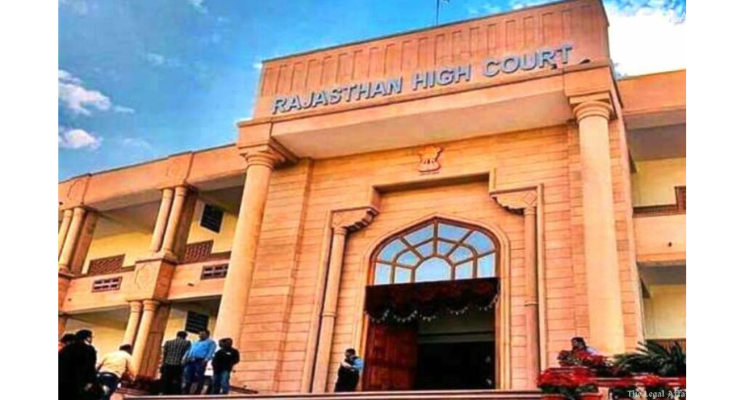
Introduction:
On August 7, 2024, the Rajasthan High Court, presided over by Justice Arun Monga, delivered a pivotal ruling on the release of vehicles seized under the Mines and Minerals (Development and Regulation) Act, 1957 (MMDR Act). This decision arose from a petition challenging the conditions imposed for the release of tractors that were confiscated due to alleged violations of the Act.
Arguments of the Petitioner:
The petitioner, an individual whose tractors were seized under the MMDR Act, contested the conditions imposed for their release. Initially, the tractors were allowed to be released on the petitioner furnishing a bank guarantee equivalent to the penalty or compounding fee imposed by the mining officer or the National Green Tribunal (NGT) department. Dissatisfied with this condition, the petitioner filed a revision petition, which was subsequently dismissed, leading to the current petition challenging both orders.
The petitioner argued that the conditions for releasing the vehicles were unduly harsh and not aligned with the legal framework governing the MMDR Act. He contended that if confiscation proceedings had not been initiated, the imposition of a bank guarantee equivalent to the fine was not justified. He sought relief by arguing that if no formal confiscation proceedings were underway, the vehicles should be released upon the petitioner providing a bond or bank guarantee covering the current value of the impounded tractors.
Arguments of the Respondent:
The respondents, representing the State of Rajasthan and relevant mining authorities, defended the conditions imposed for the release of the vehicles. They argued that under the MMDR Act, vehicles seized for violations are subject to confiscation proceedings, and their release should be contingent upon the payment of penalty and compounding fees. They emphasized that these conditions were in line with the statutory requirements and aimed to ensure compliance with legal and environmental regulations.
The respondents maintained that the procedure followed was in accordance with the Act’s provisions and that allowing the release of the vehicles without fulfilling these conditions would undermine the enforcement mechanisms established to regulate mining activities and protect natural resources.
Court’s Judgment:
Justice Arun Monga, in his ruling, delineated the conditions under which seized vehicles could be released. The Court affirmed that if confiscation proceedings have been initiated under the MMDR Act, the vehicle in question can only be released upon the payment of the penalty amount and compounding fees. This aligns with the legal requirements to ensure compliance and deter violations of mining regulations.
However, the Court also recognized that if no confiscation proceedings have commenced and only an appeal against the penalty or compounding order is pending, the petitioner should be granted an opportunity to approach the competent court to seek the release of the vehicle. In such cases, the petitioner could secure the release by furnishing a bond or a bank guarantee equivalent to the current value of the impounded vehicle.
The Court observed that the petitioner’s tractors had been in police custody for an extended period and were at risk of deterioration. To address this concern, the Court reiterated that if confiscation proceedings were not underway, the petitioner should be allowed to obtain the vehicle’s release upon providing a sufficient bond or bank guarantee. This decision aimed to balance the need for regulatory compliance with the practical considerations of vehicle preservation.