


Introduction:
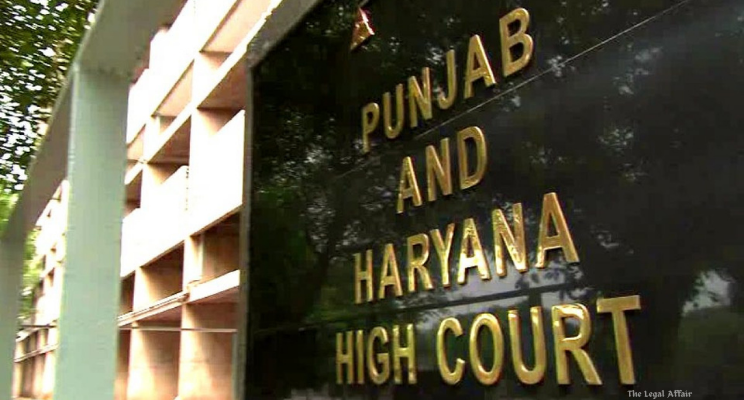
The Punjab and Haryana High Court dismissed a petition filed by an Income Tax Officer convicted in a corruption case, seeking information under the Right to Information Act (RTI Act) related to trap proceedings conducted against him by the Central Bureau of Investigation (CBI). Justice Mahabir Singh Sindhu observed that the petitioner’s intent in seeking this information was to strengthen his defense in a pending appeal and did not involve public interest. The court further noted that the CBI is exempted from the RTI Act as per its inclusion in the Second Schedule, rendering the petition a misuse of RTI provisions.
Arguments by the Petitioner:
The petitioner, convicted under the Prevention of Corruption Act, 1988, and currently appealing his conviction, argued that the requested information was crucial to his defense. He contended that the denial of information was based on the CBI’s exemption under the Second Schedule of the RTI Act. However, he pointed to Section 24 of the RTI Act and relevant guidelines, which allow disclosure of information related to corruption. The petitioner’s counsel also cited the Centre’s memorandums and the RTI Guide for Public Information Officers to argue that his application fell within permissible exceptions.
Arguments by the Respondents:
Counsel for the Central Information Commission (CIC) and the CBI countered that the petitioner was not acting in the public interest but rather using RTI provisions to serve personal objectives. They maintained that the CBI’s exemption from the RTI Act, reaffirmed by a 2021 notification, precluded the disclosure of the requested information. The respondents further argued that allowing such applications would open the floodgates for misuse of the RTI Act, undermining the intent of the exemption.
Court’s Observations and Judgment:
Justice Mahabir Singh Sindhu rejected the petition, emphasizing that the RTI Act’s purpose is to ensure transparency and accountability in matters of public interest. The court noted that the petitioner’s appeal against his conviction was pending adjudication, and the information sought was primarily aimed at strengthening his case. This, the court ruled, amounted to misuse of RTI provisions.
The judgment clarified that the CBI’s exemption under the Second Schedule of the RTI Act was valid and applicable in this case. Justice Sindhu remarked that information related to corruption allegations might be disclosed under exceptional circumstances, but the petitioner failed to establish that his application met these criteria. The court also observed that the petitioner should have raised these issues during the trial instead of attempting to gather evidence through RTI at the appellate stage.
Although the petition was deemed wholly misconceived, the court adopted a lenient approach and dismissed it without imposing costs. The judgment reaffirmed the CBI’s exemption under the RTI Act while underscoring the limited scope of permissible disclosures related to corruption.
Conclusion:
The Punjab and Haryana High Court’s decision underscores the balance between transparency and statutory exemptions under the RTI Act. It reaffirms that exempted organizations like the CBI cannot be compelled to disclose information unless a clear public interest is demonstrated. The court’s dismissal of the plea highlights the misuse of RTI provisions for personal gain while ensuring fairness by refraining from imposing costs. This case serves as a precedent in upholding the integrity of the RTI framework and safeguarding its application for genuine public interest matters.