


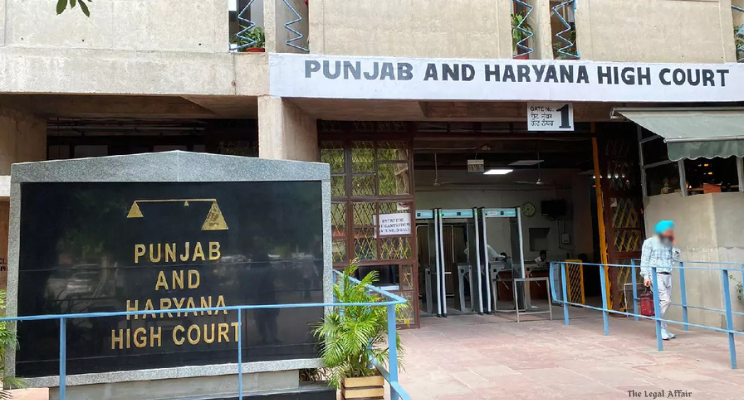
Introduction:
In Chaman Lal Kanda & Anr. v. State of Punjab, the Punjab and Haryana High Court, presided over by Justice Manisha Batra, quashed an FIR filed under Sections 212 and 216 of the Indian Penal Code (IPC) against a father and brother accused of harbouring Harish Kanda to help him evade arrest in a cruelty case filed by his wife. The FIR alleged that the family members had sheltered him, but the Court examined whether mere knowledge of his whereabouts was sufficient to establish criminal liability.
On June 10, 2025, the Court delivered a detailed judgment emphasizing that, to constitute harbouring, there must be active assistance or concealment with intent to shield the offender from legal consequences. Passive awareness or a familial relationship, the Court held, does not attract Sections 212 or 216 IPC—leading to a complete quashing of the FIR.
Arguments of the Petitioners (Father and Brother):
The petitioners contended that the case was baseless and amounted to an abuse of legal process. Even if the allegations were taken at face value, they argued, no material connection to the offence of harbouring was evident. Their key contentions included:
- Absence of Assistance: The petitioners had taken no active or implied steps to help Harish evade arrest or punishment.
- Familial Relationship: Any contact with or stay by Harish could be attributed to normal family interactions rather than criminal concealment.
- Lack of Evidence: The only claim was that Harish occasionally visited the house—there was no evidence of sheltering, financial aid, or interference with police efforts.
- Time Gap: The only documentary evidence—a joint bank account from 2007–08—was irrelevant to any alleged actions in 2023 or later.
- Legal Misapplication: Mere awareness of Harish’s location, without any overt act of facilitation, cannot be equated to “harbouring” under the law.
- Misuse of Process: The criminal proceedings were filed with a malicious intent to harass the petitioners and misuse legal provisions.
- Based on these submissions, they argued the FIR was legally untenable on its face and should be quashed.
Arguments of the Respondent (State):
Represented by the Advocate General, the State countered that:
- Alleged Shelter: The petitioners had offered refuge to Harish, impeding police attempts to arrest him.
- Knowledge of Location: Police were informed that Harish was frequently seen at the petitioners’ residence, especially at night.
- Reasonable Suspicion: Given the allegations of repeated sheltering, a proper investigation was necessary, and invoking Sections 212 and 216 IPC was justified.
- Investigative Discretion: The State emphasized that the police must be permitted to investigate the matter and that quashing the FIR at the threshold would prematurely halt lawful inquiry.
The State maintained that whether or not the petitioners actively harboured Harish was a question of fact to be determined through investigation.
Court’s Analysis and Judgment:
Justice Batra delivered a detailed analysis based on statutory interpretation and judicial precedent:
Essential Ingredients:
Section 212 IPC requires:
(a) commission of an offence,
(b) harbouring or concealing the offender,
(c) knowledge or belief that the person is an offender, and
(d) intent to prevent their apprehension or punishment.
Section 216 IPC similarly requires active harbouring of someone who has escaped custody or is sought by law enforcement.
- Passive Knowledge vs. Active Harbouring:
The Court held that active assistance is a prerequisite. Merely knowing Harish’s whereabouts without offering aid or concealment does not meet the threshold.
- Insufficiency of Evidence:
The only ‘evidence’ cited—occasional house visits and a dated joint bank account—was too tenuous and irrelevant to the events in 2023 and beyond.
- Contextual Explanation:
The alleged matrimonial discord could reasonably explain Harish’s occasional presence at the family home. This, the Court held, does not constitute criminal evasion or concealment.
- Legal Threshold Not Met:
The Court reiterated that to sustain charges under Sections 212 or 216, prima facie evidence of facilitation must exist—not mere speculative allegations.
- Quashing of FIR:
Since the accusations did not disclose any cognizable offence under the applicable sections, the Court quashed the FIR in its entirety. No chargeable act of harbouring had been demonstrated, and continuation of proceedings would serve no legal purpose.
Accordingly, Justice Batra allowed the petition, quashed the FIR under Sections 212 and 216 IPC, and released the petitioners from further legal proceedings.