


Introduction:
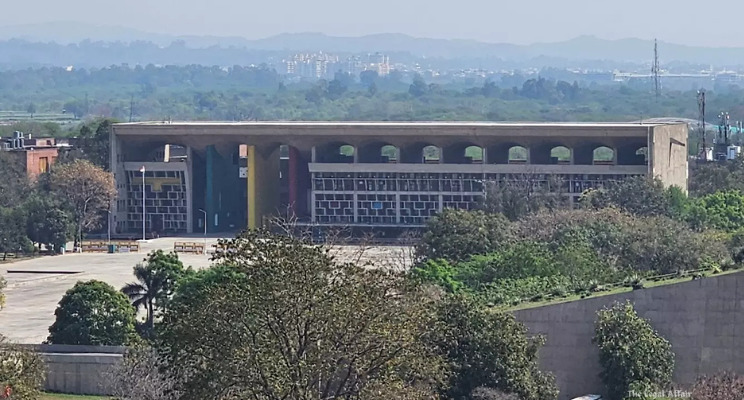
In the case titled Roop Bansal v/s State of Haryana and Ors., the Punjab and Haryana High Court recently refused to allow the withdrawal of a petition filed by Roop Bansal, director of M3M company, which sought to quash a 2023 FIR. The FIR alleges that Bansal conspired to bribe a Trial Court judge, with charges under Sections 7, 8, 11, 13 of the Prevention of Corruption Act and Section 120-B (criminal conspiracy) of the Indian Penal Code (IPC). The petition’s withdrawal request was opposed by the Court, with Chief Justice Sheel Nagu denying it. Senior Advocate Abhishek Manu Singhvi represented Bansal and argued for the withdrawal of the petition. The matter has seen multiple hearings, adjournments, changes of bench, and related procedural developments.
Arguments of Both Sides:
Senior Advocate Singhvi contended that the accused has the right to file a petition under Section 482 of the Code of Criminal Procedure (CrPC), and correspondingly should be allowed the right to withdraw such a petition. He emphasised that no case involving M3M was pending before the concerned judge at the relevant time, challenging the basis of the FIR. Singhvi also argued on the legal point that prosecution under Section 120-B for conspiracy alone is impermissible without the main offence being established. Further, he raised the absence of sanction under Section 17-A of the Prevention of Corruption Act against the judge alleged to be involved in bribery, highlighting that the essence of a bribery case is the conspiracy between the bribe giver and receiver. Additionally, Singhvi questioned the involvement of the Enforcement Directorate (ED), asserting that since the Anti-Corruption Bureau was handling the case, ED lacked locus standi and could not assume a role in every predicate offence. He expressed concerns about risking adverse observations during the trial and hence sought the withdrawal of the quashing petition.
On the other hand, the Court and the opposing side, represented by Senior Panel Counsel Lokesh Narang and Zoheb Hossain for the Union of India and the Enforcement Directorate, respectively, emphasised the serious nature of the allegations and how the case had been conducted. The Court underscored the need to protect the reputation of the judiciary and maintain the integrity of the institution. The procedural history, including multiple adjournments and bench changes, suggested possible attempts to delay the process. The Court’s refusal to allow withdrawal was premised on safeguarding the judicial process and ensuring the investigation and trial are not impeded.
Court’s Judgment:
The Punjab and Haryana High Court, led by Chief Justice Sheel Nagu, refused to allow withdrawal of the petition seeking quashing of the FIR against Roop Bansal. The Chief Justice expressed displeasure at how the case was being conducted and declined the withdrawal request to uphold judicial integrity. The Court observed that the right to file a petition under Section 482 does not inherently carry an unrestricted right to withdraw it, especially when the case involves serious allegations of corruption and conspiracy that affect public confidence in the judiciary. The Court noted the procedural history wherein the petition was listed before different benches, and despite adjournments and bench reassignments, the trial proceedings were not stayed, reflecting the judiciary’s commitment to expedite the matter.
While Singhvi sought to highlight procedural and substantive grounds to justify withdrawal, the Court emphasised the importance of proceeding with the case due to the gravity of allegations involving bribery of a judicial officer. The Court’s decision also reflected concerns over protecting the sanctity of judicial institutions from allegations that could potentially undermine public trust. Consequently, the withdrawal request was denied, and the case was adjourned for further hearing, reinforcing the principle that serious offences involving corruption and conspiracy must be thoroughly examined and adjudicated rather than prematurely terminated through withdrawal.