


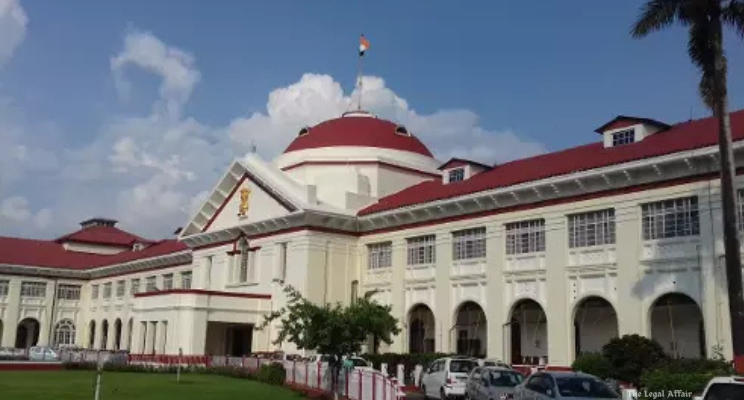
Introduction:
In a notable ruling, the Patna High Court clarified the extent of liability for insurance companies under the Motor Vehicles Act, 1988, especially in cases involving paid drivers and cleaners. This decision arose from a case between Shri Ram General Insurance Co. Ltd. and Radha Devi & Ors., where the court considered whether an insurance company must cover a paid cleaner’s risk when the vehicle owner has paid an additional premium for such coverage. The court held that if an additional premium is accepted, the insurer’s liability includes the risks associated with the paid driver and cleaner, effectively transferring this liability from the vehicle owner to the insurance company. Justice Sunil Datta presided over the case, emphasizing the contractual obligation between the insurer and the vehicle owner, given the statutory liability outlined in Section 147 of the Motor Vehicles Act.
The incident that led to this litigation involved a tragic accident in which a cleaner, Premshankar Modi, lost his life when a tractor and trailer overturned due to the driver’s alleged negligence. This decision has far-reaching implications on insurance practices concerning vehicle staff such as paid drivers and cleaners, especially when additional premiums are involved.
Arguments by the Appellant (Insurance Company):
- Questioning the Deceased’s Role as a Cleaner:
Counsel for Shri Ram General Insurance argued that the deceased, Premshankar Modi, should not be considered a cleaner, as the tractor in question only had a seating capacity for one person (the driver). Consequently, the appellant argued that the deceased was a gratuitous passenger rather than an employed cleaner, and the insurance company could not be held liable for his death.
- Use of the Tractor for Non-Agricultural Purposes:
The appellant further contended that the tractor was insured exclusively for agricultural purposes. However, at the time of the accident, it was reportedly transporting iron rods in the trailer, which the insurer claimed amounted to unauthorized commercial use. This, they argued, fell outside the scope of the vehicle’s insurance coverage, and as such, the company could not be held liable for damages.
- Reliance on Precedent for Gratuitous Passengers:
In support of their position, the appellant cited previous cases where insurance companies were not held liable for individuals deemed to be gratuitous passengers. The appellant argued that the same reasoning should apply here, particularly given their view that the deceased was not officially an employed cleaner but rather a passenger riding along with the driver.
Arguments by the Respondent (Claimants):
- Establishing the Deceased as a Cleaner:
Representing the claimants, the respondent’s counsel submitted that the deceased was indeed an employed cleaner, as supported by witness testimony and documentary evidence. They emphasized that the appellant’s attempt to label him as a gratuitous passenger was unfounded and contrary to the facts on record. The respondent’s counsel argued that witness statements provided conclusive proof of the deceased’s employment as a cleaner and that he was therefore eligible for insurance coverage under the additional premium paid by the vehicle owner.
- Acknowledgement of Insurance Coverage Based on Additional Premium:
The respondent’s counsel further argued that the vehicle owner’s payment of an additional premium specifically intended to cover a paid driver and cleaner created a legal obligation for the insurance company to extend its coverage. The respondents emphasized that by accepting this premium, the insurer had accepted liability for any risk involving the driver or cleaner, as per the provisions of the Motor Vehicles Act.
- Objections Raised by the Appellant as Unfounded:
The respondents countered that the appellant’s arguments regarding the deceased’s employment status and the use of the tractor for non-agricultural purposes were raised for the first time on appeal. According to the respondents, these points had no merit, as they contradicted the case record and were not introduced at the original tribunal hearing. They argued that this appeal was an attempt to sidestep the Tribunal’s findings by introducing unsupported claims at a later stage.
Court’s Findings and Judgment:
Justice Sunil Datta, delivering the court’s opinion, held that the insurance company must cover the liability associated with the paid driver and cleaner as stipulated by the Motor Vehicles Act, 1988, provided the vehicle owner paid an additional premium for their coverage. The court carefully addressed each argument raised by the insurance company, ultimately concluding that their objections lacked merit.
- Interpretation of Liability for Paid Driver and Cleaner Under Section 147 of the Motor Vehicles Act:
The court clarified that Section 147 of the Motor Vehicles Act imposes a statutory obligation on insurance companies to cover liabilities for paid staff, such as drivers and cleaners, under certain conditions. When an additional premium is paid by the vehicle owner, it functions as an extension of the policy, thereby transferring the liability from the owner to the insurance company. Justice Datta emphasized that the acceptance of this additional premium by the insurance company made it contractually and statutorily bound to indemnify the vehicle owner for incidents involving the paid driver and cleaner.
- The rationale for Dismissing Objections on Appeal:
The court observed that the appellant had not raised its objections regarding the deceased’s role or the tractor’s alleged commercial use at the Tribunal level. Justice Datta noted that these objections were inconsistent with the records and lacked supporting evidence. As such, the court held that these arguments could not be introduced at the appellate stage, as they contradicted established legal procedures and did not align with the facts on record.
- Applicability of Previous Cases on Gratuitous Passengers:
Addressing the appellant’s reference to cases involving gratuitous passengers, the court found these judgments irrelevant to the current case. Justice Datta clarified that a paid cleaner employed by the vehicle owner does not qualify as a gratuitous passenger and thus does not fall under the same exclusionary provisions. The court held that since the deceased was employed in a formal capacity as a cleaner, the insurance company could not evade liability under this argument.
- Assessment of Compensation:
On the question of compensation, the court upheld the Tribunal’s findings, reiterating the principle that compensation under the Motor Vehicles Act is based on a just and fair assessment rather than mathematical precision. Justice Datta noted that the Tribunal’s determination of the deceased’s monthly income and prospects was reasonable and did not warrant interference. The court reiterated that the Motor Vehicles Act mandates an assessment of compensation in a manner that is just, without rigid adherence to formulaic calculations.
- Directive for Payment of Compensation:
In conclusion, the court upheld the Tribunal’s decision, instructing the appellant to pay the awarded compensation amount along with any interest accrued, as per the original judgment. The court directed the insurance company to fulfil its obligation, deducting any previous payments made to the claimants in compliance with the Tribunal’s decision.
Justice Datta’s ruling emphasized the contractual and statutory nature of insurance coverage, reinforcing the principle that insurance companies are bound to honour the terms of coverage, particularly when additional premiums are involved to account for paid employees. The judgment serves as a reminder to insurers of their responsibilities under the Motor Vehicles Act and establishes a clear precedent on the treatment of paid staff such as drivers and cleaners in insurance liability cases.