


Introduction:
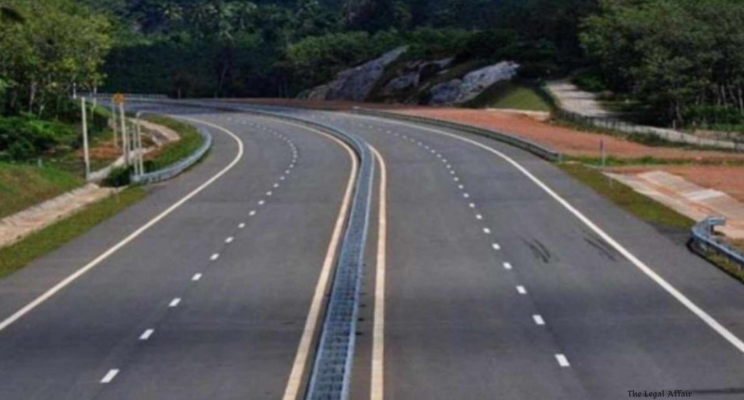
In a recent ruling, the Meghalaya High Court directed the State Authorities to expedite the construction of the National Highway linking Shillong to Dawki near the Bangladesh border, citing its “paramount importance” for the welfare of the state. The court emphasized the necessity for the swift completion of the highway, which had long been delayed while ensuring that the afforestation work required for the project is strictly adhered to. The directive came after a Public Interest Litigation (PIL) was filed seeking the court’s intervention to prevent the felling of 103 valuable trees that were in the way of the highway’s construction. The case, Shri Kaustav Paul Vs. State of Meghalaya & Ors., PIL No.13/2022, was heard by a division bench comprising Chief Justice IP Mukerji and Justice W Diengdoh. The PIL sought to balance the construction of the highway with the preservation of the environment, particularly the protection of trees that were to be felled for the project. In its order, the court acknowledged the ongoing challenges faced in the construction process and addressed the need for both infrastructural development and ecological preservation.
Arguments of Both Sides:
Petitioner’s Arguments:
The petitioner, Shri Kaustav Paul, argued that the construction of the National Highway was causing significant environmental harm, particularly with the felling of 103 trees of great value that were in the way of the project. The petitioner expressed concerns about the ecological impact, urging the court to intervene and prevent the destruction of these trees, which could potentially lead to adverse consequences for local biodiversity and the environment. The petitioner also raised concerns about the adequacy of afforestation efforts to compensate for the deforestation caused by the highway construction. The core of the petitioner’s argument was that the authorities needed to ensure that afforestation was carried out in a timely and efficient manner to counterbalance the environmental cost of the highway development.
Respondent’s Arguments:
On the other hand, the State Authorities, represented by Advocate General Mr. A. Kumar, argued that the construction of the highway was of vital importance to the state’s infrastructure and economic development. The highway, running from Shillong to Dawki, was viewed as an essential project that would improve connectivity, stimulate growth, and enhance the welfare of the people, especially in the border areas. The government highlighted that all necessary steps had been taken to acquire the land for the project and hand it over to the National Highways and Infrastructure Development Corporation Limited (NHIDCL). The authorities claimed that the project had been delayed due to various obstacles, including legal challenges and resistance from certain groups. Despite these hurdles, the government emphasized its commitment to ensuring the completion of the highway while adhering to legal and environmental safeguards, such as the afforestation work required by the NHIDCL and the compensation funds paid for afforestation.
Court’s Judgment:
After considering the arguments from both sides, the Meghalaya High Court issued a detailed order, directing the State Authorities to expedite the construction of the highway. The court emphasized that the completion of the highway was of paramount importance for the welfare of the state, noting that the project had been long overdue. The court took into account the afforestation requirements set by the NHIDCL and reiterated that the authorities should ensure that the afforestation work was carried out in strict compliance with the law. It also noted the payment of Rs. 3,87,11,297 made by NHIDCL to the Compulsory Afforestation Management and Planning Authority Fund (CAMPA) for the cost of afforestation on the 16.107 hectares of land acquired for the highway. The court directed that the construction of the highway proceed with the expedition, complying with the interim orders issued earlier and by the law.
The court also noted that during the earlier stages of the case, it had not been informed that the 103 trees in question had already been felled. This revelation prompted the court to examine whether the authorities had adhered to the afforestation requirements. The court stressed that while afforestation was important, the construction of the highway could not be delayed further, given its importance to the state. Additionally, the court took into consideration the affidavit submitted by NHIDCL, confirming the payment for afforestation, and directed the authorities to proceed with the construction while ensuring that the environmental concerns raised by the petitioner were addressed.
In its conclusion, the court disposed of the PIL, instructing the authorities to continue with the construction of the highway as quickly as possible while fulfilling their obligations regarding afforestation. The court acknowledged that the project was facing delays but made it clear that the completion of the highway should be prioritized for the benefit of the state’s development.