


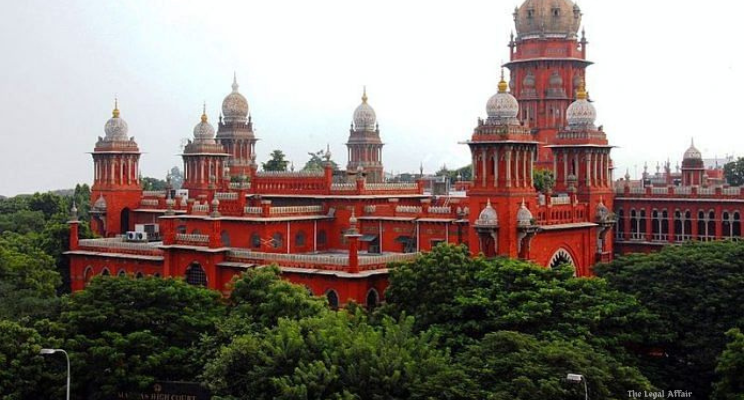
Introduction:
In a recent legal development, the Madras High Court addressed the use of the popular gay dating app Grindr in the context of a criminal case involving sexual abuse and robbery. The court was reviewing a bail petition filed by Maharaja, a man facing serious charges related to his interactions on the app. The court’s observations extended beyond the immediate case, raising concerns about Grindr’s role in facilitating illegal activities. This led to a suggestion for the Investigating Officer to report the app to the Ministry of Electronics and Information Technology for potential regulatory action, including blocking the app if deemed necessary.
Arguments from the Petitioner’s Side:
Maharaja, the petitioner, was seeking bail while facing charges under Sections 294(b), 377, 387, and 506(2) of the Indian Penal Code (IPC). The allegations against him included sexually abusing and robbing a man he met through Grindr. It was alleged that Maharaja took the complainant to a secluded location, abused him, stole his chain and credit card, and subsequently withdrew Rs. 1,15,000.
In his bail application, Maharaja undertook to cease using Grindr and any other social media platforms. He also pledged to voluntarily surrender his mobile phone and notify the police if he acquired a new one. Maharaja’s legal team, led by Advocate Balakrishnan, argued that these undertakings demonstrated his commitment to compliance with legal norms and that such conditions should be sufficient for granting bail.
Arguments from the Respondent’s Side:
The Additional Public Prosecutor, Mr. R.M. Anbunithi, represented the state’s interests. The prosecution contended that the severity of the charges against Maharaja, coupled with the alleged misuse of Grindr, necessitated a cautious approach. The respondent’s side emphasized the need for an investigation into the role of Grindr in facilitating criminal activities, arguing that the app’s features and usage patterns might contribute to illegal behavior.
The prosecution was concerned that while Maharaja’s undertakings were a step toward ensuring compliance, the broader issue of Grindr’s role in crime needed to be addressed through regulatory channels. They supported the idea of reporting the app to the Ministry of Electronics and Information Technology to consider appropriate action, including the potential blocking of the app if required.
Court’s Findings:
Justice Bharatha Chakravarthy, while considering the bail petition, made significant observations about Grindr’s role in criminal activities. The court emphasized that the app was not illegal due to its association with homosexual individuals but was under scrutiny for its potential use in illegal activities. The court noted that Grindr’s purpose in this case seemed to be primarily prurient, raising concerns about its role in facilitating sexual offenses and other crimes.
The court decided to grant bail to Maharaja, contingent upon his agreement to comply with specific conditions. Maharaja was required to execute a bond for Rs. 10,000 with two sureties and to adhere to his undertakings, including discontinuing the use of Grindr and other social media platforms. Additionally, Maharaja had to voluntarily surrender his mobile phone and inform the police if he obtained a new phone.
In a broader context, the court suggested that the Investigating Officer report Grindr to the Ministry of Electronics and Information Technology. This recommendation was made to address concerns about the app’s usage in committing illegal activities. The court’s directive aimed to ensure that appropriate action could be taken, including the possibility of blocking the app if necessary.
Judgment:
Justice Chakravarthy’s judgment reflected a balanced approach, granting bail to Maharaja while recognizing the need for regulatory oversight concerning Grindr. The court’s decision highlighted the importance of addressing both individual criminal cases and broader issues related to technology’s role in facilitating illegal activities.
The court’s suggestion to involve the Ministry of Electronics and Information Technology demonstrated a proactive stance on ensuring that digital platforms do not become conduits for crime. By setting clear conditions for Maharaja’s bail and recommending further action on Grindr, the court sought to address immediate legal concerns while also contributing to a larger discussion about the regulation of digital platforms.
Conclusion:
The Madras High Court’s recent ruling emphasizes the need for a nuanced approach to both individual criminal cases and the broader implications of technology in facilitating illegal activities. By granting bail to Maharaja with specific conditions and suggesting action against Grindr, the court highlighted the importance of balancing individual rights with public safety concerns. This case serves as a reminder of the evolving intersection between technology and the law and the ongoing need for vigilance in regulating digital platforms to prevent misuse.