


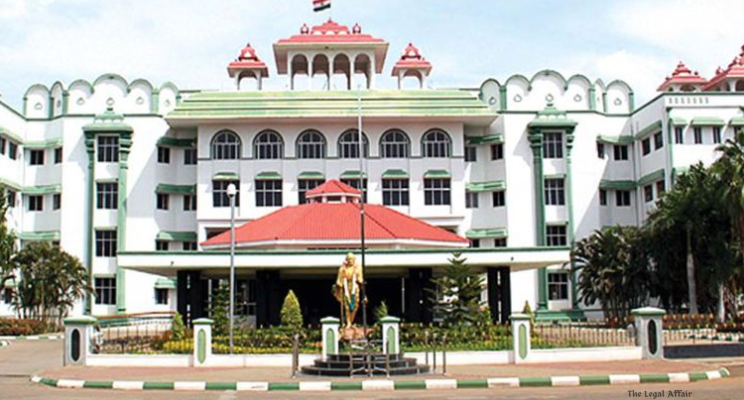
Introduction:
The Madras High Court has recently reprimanded the State of Tamil Nadu by imposing a cost of ₹5 lakh for filing appeals against orders to pay pending salaries to Assistant Professors. This decision follows a series of legal battles over salary disbursements that had been delayed for years. The court, led by Justice R. Subramanian and Justice L. Victoria Gowri, expressed strong disapproval of the State’s actions, characterizing them as part of an “atrocious game” played at the expense of its citizens.
Background of the Case:
The dispute began with the appointment of Assistant Professors in 2009. The Joint Director of Collegiate Education approved their appointments on March 12, 2020, but this approval was revoked the following day. This led to a series of legal challenges, during which the Director of Collegiate Education later canceled the revocation, thus reinstating the appointments. Despite this, the professors faced delays in receiving their salaries, which led to further legal action.
The Assistant Professors, who had been appointed in 2009, only began receiving their monthly salaries from July 2022. This prompted them to file a petition seeking the disbursement of their salaries from the original appointment date, along with all attendant benefits. The State of Tamil Nadu countered these petitions by arguing that its current funds were insufficient to cover the arrears and that they were awaiting a special grant to resolve the issue.
Arguments of Both Sides:
Prosecution’s Arguments:
- Delay in Salary Payment: The prosecution, representing the Assistant Professors, argued that the State had delayed salary payments despite the appointments being legally approved and confirmed. They contended that the non-payment of salaries from June 17, 2009, onwards was a clear violation of their employment rights.
- Legal Precedents: They highlighted previous court rulings that mandated timely payment of salaries and benefits to employees, stressing that the State’s failure to adhere to these orders was both illegal and unjust.
- Failure to Pay Arrears: The prosecution criticized the State for failing to pay the arrears even after the initial revocation was rescinded. They pointed out that the State’s claim of insufficient funds was a recurring issue and not a valid excuse for delaying payments.
Defense’s Arguments:
- Financial Constraints: The State argued that its current budgetary constraints limited its ability to pay the pending salaries. They claimed that only a special grant could resolve the arrears issue and that they were in the process of obtaining such funds.
- Procedural Challenges: The defense also pointed out that delays in processing and disbursing salaries were due to procedural challenges, and that the State was working towards rectifying these issues.
- Legitimate Administrative Action: The State defended its actions as being within the bounds of administrative authority and claimed that the appeals were necessary to address the complexities of the case, despite the delays in salary disbursement.
Court’s Judgment:
The Madras High Court, after reviewing the case, dismissed the State’s appeals, finding no reason to overturn the previous orders directing the payment of salaries. The court was particularly critical of the State’s repeated delays and failure to comply with legal mandates regarding salary payments.
Justice R. Subramanian and Justice L. Victoria Gowri ordered the imposition of exemplary costs amounting to ₹5 lakh on the State. The court noted that these costs were intended not only to address the specific case but also to serve as a deterrent against the State’s recurrent practice of challenging orders related to salary payments. The court expressed hope that this order would prevent similar issues in the future and urged the Government to ensure proper adherence to judicial directives.
The court also directed that half of the imposed costs be paid to the CANCARE Foundation, reflecting a commitment to using the funds for a cause beyond the immediate case. The judges expressed dissatisfaction with the State’s handling of the situation and emphasized the need for efficient and responsible governance.
Conclusion:
The Madras High Court’s decision to impose a ₹5 lakh cost on the State of Tamil Nadu underscores the judiciary’s role in enforcing compliance with its orders and safeguarding the rights of employees. By addressing the State’s delays and procedural shortcomings, the court aims to set a precedent for more timely and responsible administrative actions. This ruling highlights the importance of upholding legal obligations and ensuring that bureaucratic inefficiencies do not undermine the rights of individuals.