


Introduction:
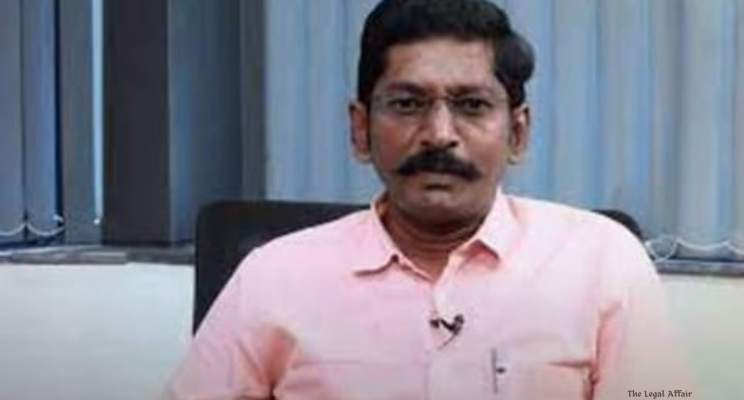
The Madras High Court recently reserved orders on a habeas corpus petition challenging the preventive detention of YouTuber and whistleblower Savukku Shankar. The case, brought forward by Shankar’s mother, A. Kamala, questions the legality and necessity of detaining Shankar under the Tamil Nadu Preventive Detention Act. The bench, comprising Justice S.M. Subramaniam and Justice V. Sivagnanam, voiced strong criticism of the state’s approach, labeling the preventive detention law as colonial and emphasizing that such detaining powers should be used sparingly.
Arguments of Both Sides:
Petitioner’s Arguments:
Advocate C. Iyyapparaj, representing Savukku Shankar, challenged the detention order on multiple grounds:
- Public Order Not Affected: The counsel argued that Shankar’s speech did not disrupt public order. The state’s claim that Shankar’s video led to protests at Kilambakkam Bus Terminus was refuted by pointing out that the video was posted a day after the protests, indicating the order was made without proper consideration.
- Lack of Jurisdiction: The order was claimed to be jurisdictionally flawed. While the protests occurred in Kilambakkam, it was the Tambaram Commissioner who had authority, not the Commissioner of Greater Chennai who issued the detention order.
- Denial of Documents: The detaining order referenced Shankar’s involvement in a crime in Coimbatore, but the relevant documents were not provided to him, causing prejudice against him.
- Non-Consideration of Representations: Kamala’s representations against the detention were reportedly dismissed with undue haste, two days after the approval of the detention order, demonstrating arbitrariness and malice.
Respondent’s Arguments:
The State of Tamil Nadu, represented by Additional Public Prosecutor Raj Tilak, defended the detention, asserting that Shankar was spreading false news that could incite public disorder. The state maintained that his statements warranted preventive detention to maintain public order. They also highlighted another adverse case where Shankar allegedly made derogatory remarks against women police officers, arguing it could affect their morale.
Court’s Judgment:
While reserving the order, the Madras High Court made several critical observations about the state’s use of preventive detention:
- Colonial Nature of Preventive Detention: The bench described the Preventive Detention Act as a colonial relic, stressing that such power should be used sparingly. They cautioned that using such draconian measures against media personnel and YouTubers could regress the country to colonial times, underscoring that media is a pillar of democracy.
- Fundamental Right to Speech: The court highlighted that Shankar’s detention infringed on the fundamental right to free speech. They suggested that the state should have used regular legal channels, such as filing defamation cases, rather than resorting to preventive detention.
- Questioning State’s Approach: The court questioned the state’s logic of detaining Shankar for spreading false news, pointing out the impracticality of arresting everyone who spreads misinformation. They emphasized that the focus should be on whether public order was genuinely affected.
- Tolerance in Public Service: Addressing the state’s concern about Shankar’s alleged derogatory remarks against women police officers, the court emphasized the importance of tolerance in public service. They drew parallels to the criticism judges face, arguing that public servants should remain unaffected by such comments.
- Availability of Information: The court remarked on the modern availability of information at people’s fingertips, suggesting that it is up to individuals to form their own opinions based on the diverse media content available. They noted the partisan nature of media channels and how people choose news sources aligned with their ideologies.
In conclusion, the court reserved its judgment but indicated a clear disapproval of the state’s use of preventive detention in this context, advocating for the protection of free speech and the responsible use of detaiing powers.