


Introduction:
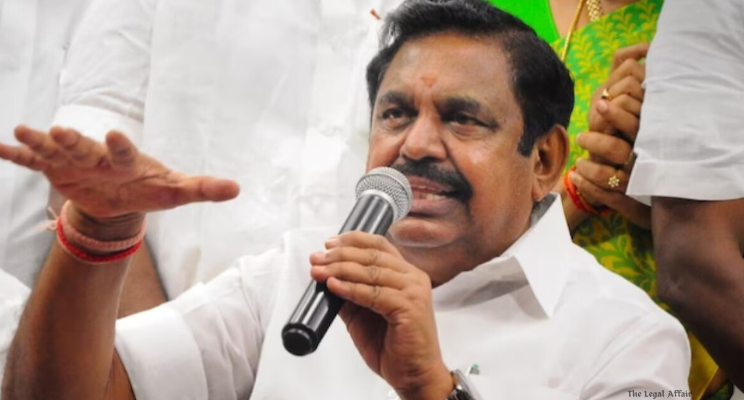
In a significant defamation case, the Madras High Court has granted former Tamil Nadu Chief Minister Edappadi Palanisamy a compensation of Rs. 1.1 Crore for defamatory statements made by one Dhanapal. Dhanapal, the brother of the prime accused in the infamous 2017 Kodanadu Estate case, had linked Palanisamy to the crimes that took place at the estate. The Kodanadu estate, which belonged to the late Tamil Nadu CM J Jayalalithaa, was broken into, leading to a series of tragic events, including the death of a security guard and several accidents. While the case remains unresolved in the District-cum-Chief Judicial Magistrate Court in Nilgiris, Dhanapal’s comments, made in 2024, were seen as an attempt to tarnish Palanisamy’s image during his political campaigns. Palanisamy filed a defamation petition, and Justice RMT Teekaa Raman, after hearing the case, awarded the compensation, citing malicious intent and falsehood in Dhanapal’s statements.
Plaintiff’s (Palanisamy) Argument:
Edappadi Palanisamy, the plaintiff in the case, contended that Dhanapal made scandalous and defamatory remarks about him in a video interview that was aired during the 2024 Lok Sabha elections. Palanisamy argued that Dhanapal’s statements, which falsely linked him to the crimes in the Kodanadu Estate case, were made with the clear intention of damaging his reputation and undermining his political standing. Palanisamy stressed that these comments were false, malicious, and aimed at influencing public opinion as he was contesting for the party leadership and a Lok Sabha seat. Furthermore, Palanisamy’s legal team pointed out that Dhanapal had failed to appear in court or rebut the allegations, which further supported the claim that his statements were made with malice.
Defendant’s (Dhanapal) Argument:
The defendant, Dhanapal, did not appear in court to defend his statements or provide any evidence to counter Palanisamy’s claims. Despite being aware of the legal proceedings, Dhanapal chose not to enter an appearance or challenge the defamation charges. His absence in the case was noted by the court, which found it further confirmed the deliberate intention to malign Palanisamy’s reputation without substantiating the claims made in the interview. Additionally, it was argued that Dhanapal had a financial motive behind his actions, as he was involved in a financial fraud case and was possibly blackmailing Palanisamy to extract money.
Court’s Judgment:
Justice RMT Teekaa Raman of the Madras High Court, in his detailed judgment, addressed the central issue of whether the statements made by Dhanapal amounted to defamation under Section 499 of the Indian Penal Code. The court observed that Dhanapal’s comments were not only false but were made with the specific intent of tarnishing the reputation of Edappadi Palanisamy, a prominent public figure.
The court noted that the statements were made in a video, which was publicly accessible, and that the language used by Dhanapal in the video was scandalous and offensive. According to the court, the words chosen by Dhanapal indicated a clear malice and intent to harm Palanisamy’s image. Justice Raman pointed out that the comments were made when Palanisamy was actively involved in political campaigns, making the defamatory nature of the statements even more damaging.
The court further found that Dhanapal had made the statements with the knowledge that they were false. His deliberate attempt to cast aspersions on Palanisamy’s character was evident from the content of the video. The court emphasized that the timing of the statements, coinciding with the 2024 Lok Sabha elections, and the allegations regarding the Kodanadu estate, were strategically aimed at discrediting Palanisamy during a critical period of his political career.
Another key aspect of the case that influenced the court’s decision was Dhanapal’s background. The court acknowledged that Dhanapal was under investigation for a financial fraud case, and it was believed that he had been attempting to blackmail Palanisamy for money. The court found that Dhanapal’s financial troubles could have been a motivating factor for making the defamatory comments, as he may have been seeking to extort money from Palanisamy by creating a scandalous situation.
Justice Raman also noted the widespread impact of the defamatory statements, particularly in the age of social media. The court expressed concern about the ease with which public figures can be targeted and their reputations destroyed through social media platforms. The court lamented the “sorry state of affairs” where the reputation of individuals, especially public figures, could be tarnished by anyone with access to social media. It acknowledged that the ease of posting content on social media had made the defamation of public figures a common occurrence, which had serious implications for their personal and professional lives.
In its conclusion, the court held that the statements made by Dhanapal had significantly harmed Palanisamy’s reputation. The court observed that no amount of monetary compensation could truly restore the damage done to Palanisamy’s standing in the public eye. However, the court awarded a nominal compensation of Rs. 1.1 Crore, reasoning that this amount would serve as a deterrent for future instances of defamation. The court also imposed a permanent injunction on Dhanapal, restraining him from making any further defamatory statements against Palanisamy. Additionally, the court granted Palanisamy the liberty to approach all print and electronic media outlets to request the removal of the defamatory content.
Conclusion:
The Madras High Court’s decision to award Rs. 1.1 Crore in compensation for defamation reflects the serious consequences that individuals face when they attempt to tarnish the reputation of public figures with false and malicious statements. The court’s ruling emphasizes that defamation, especially in the age of social media, can cause significant harm to an individual’s personal and professional life. The case also highlights the growing concerns around the misuse of social media platforms for spreading misinformation and damaging the reputations of individuals. While the monetary compensation awarded in this case may not fully undo the damage caused, it serves as a warning to those who engage in defamatory practices. It also reinforces the importance of maintaining ethical standards, especially when making statements that can have a lasting impact on an individual’s reputation. As social media continues to play an influential role in shaping public opinion, this case serves as a reminder of the responsibility that comes with thepower to share information.