


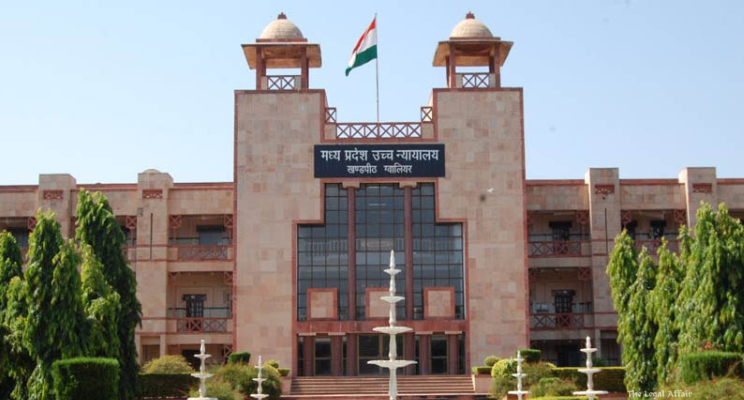
Introduction:
In the case of Ashok Kumar Tripathi v. State of M.P. and Others, Writ Petition No. 2907 of 2012, the Madhya Pradesh High Court addressed the issue of a security guard’s conduct while on duty. The petitioner, Ashok Kumar Tripathi, was assigned as a guard at a High Court Judge’s residence in Gwalior. An incident occurred where he was found asleep during his duty hours. Upon being awakened by the Judge, it was discovered that he was under the influence of alcohol. A subsequent medical examination confirmed the presence of alcohol in his breath. Consequently, disciplinary proceedings were initiated, leading to his compulsory retirement. Tripathi challenged this decision, leading to the present writ petition.
Petitioner’s Arguments:
- Medical Explanation: Tripathi contended that he was unwell, suffering from cold and cough, and had consumed a medicinal syrup containing alcohol. He argued that this could have resulted in the presence of alcohol in his breath.
- Medical Report Interpretation: He highlighted that the medical report indicated the presence of alcohol but did not explicitly state intoxication.
- Severity of Punishment: Tripathi asserted that the punishment of compulsory retirement was disproportionate to the alleged misconduct, especially considering his service record.
Respondents’ Arguments:
- Nature of Misconduct: The respondents emphasized that as a guard responsible for the security of a High Court Judge, consuming alcohol during duty hours was a grave misconduct.
- Disciplinary Findings: They pointed out that the disciplinary proceedings were conducted fairly, and the findings were based on substantial evidence, including the medical report confirming alcohol consumption.
- Appropriateness of Punishment: The respondents maintained that the punishment was commensurate with the seriousness of the misconduct, given the sensitive nature of the petitioner’s duties.
Court’s Judgment:
Justice Gurpal Singh Ahluwalia, presiding over the case, provided a detailed analysis:
- Role and Responsibility of the Guard: The court underscored the critical responsibility of a guard, especially one assigned to protect a High Court Judge. It emphasized that such a role demands utmost vigilance and sobriety.
- Consumption of Alcohol on Duty: The court noted that the medical examination confirmed the presence of alcohol in Tripathi’s breath. It dismissed the petitioner’s claim about medicinal syrup, stating that the presence of alcohol was undeniable.
- Seriousness of the Misconduct: The judgment highlighted that consuming alcohol while on duty, particularly in a security role, constitutes a serious breach of duty. The court remarked that such behavior compromises the safety of the individual being protected and cannot be taken lightly.
- Proportionality of Punishment: Addressing the issue of the severity of the punishment, the court held that compulsory retirement was not disproportionate to the misconduct. It reasoned that the nature of the guard’s duties required strict adherence to discipline and that any lapse warranted stringent action.
In conclusion, the High Court dismissed the writ petition, upholding the decision of compulsory retirement. The court found no merit in the petitioner’s claims and determined that the disciplinary action taken was appropriate given the circumstances.