


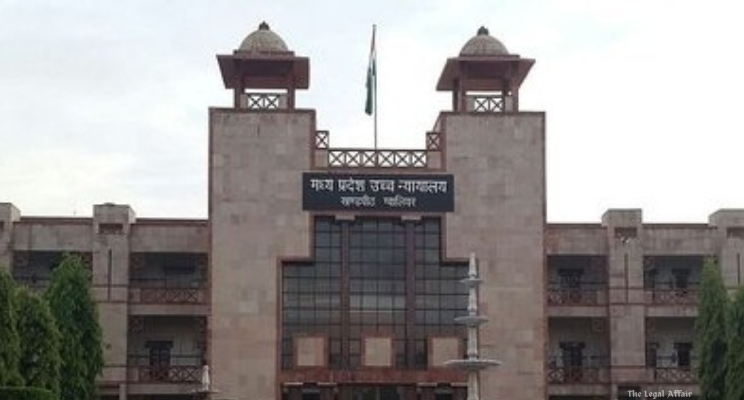
Introduction:
In a recent ruling, the Madhya Pradesh High Court grappled with the question of whether a teacher’s reprimand could be considered abetment to suicide under Section 306 IPC. The case involved three teachers, including the Principal and Vice-Principal of Vivekanand Higher Secondary School, Tekanpur, accused of driving a Class XII student to suicide after a disciplinary incident. The court’s decision sheds light on the nuanced distinction between informal social controls and criminal culpability.
Arguments of Both Sides:
The prosecution contended that the psychological pressure exerted by the school authorities, through reprimanding and scolding, led to the student’s tragic decision to end his life. The defense, represented by Advocate Harshit Sharma, argued that the teachers were merely fulfilling their duty of course correction, asserting that informal social controls, such as calling parents for counseling, were essential for the betterment of students. The state and complainant urged the court not to quash criminal proceedings, emphasizing the need for a trial to unveil the truth.
Court’s Judgment:
Justice Anand Pathak, sitting as a single judge bench, rendered a comprehensive judgment, emphasizing that informal social controls are necessary for guiding students. The court clarified that calling parents for counseling does not amount to abetment and that the accused teachers had taken appropriate measures within their purview. The judgment highlighted the absence of active and proximate instigation by the accused, essential elements for invoking Section 306 IPC. The court delved into sociological theories, categorizing informal social controls and noting their relevance in shaping students’ behavior.