


Introduction:
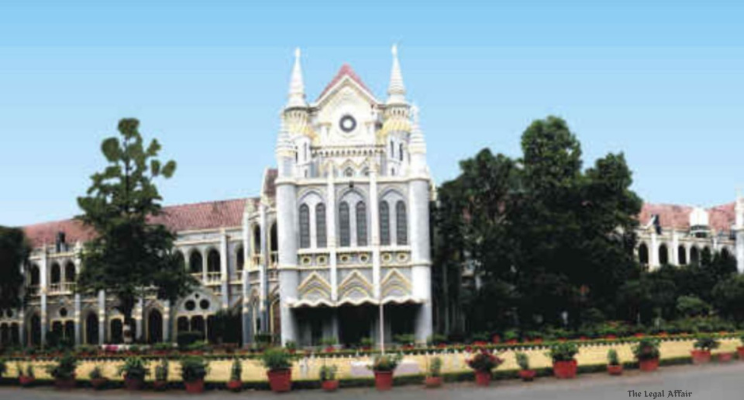
On November 4, 2024, the Jabalpur bench of the Madhya Pradesh High Court took up a petition concerning the alleged construction of unauthorized religious shrines within police station premises across the state. This petition, filed by Om Prakash Yadav, a retired central government employee and current advocate, argues that the presence of these shrines violates both Supreme Court and High Court directives regarding unapproved religious structures on government property. The petitioner also contends that such constructions undermine constitutional principles of secularism and public trust in law enforcement.
The High Court presided over by Chief Justice Satish Kumar Kait and Justice Vivek Jain, has issued a notice to the state government seeking its position on the matter. Additional Advocate General HS Ruprah accepted the notice on behalf of the state authorities, requesting time to gather necessary instructions. In its order, the High Court directed all parties to maintain the current status quo until the next hearing, scheduled for November 19, 2024.
Petitioner’s Arguments:
The petitioner, Om Prakash Yadav, presents several arguments in his plea, aimed at ensuring that public property and secular principles are upheld across government premises, particularly within law enforcement environments. His primary arguments are as follows:
- Violation of Judicial Orders: The petitioner contends that the construction of religious shrines within police station premises is a direct violation of existing Supreme Court and High Court orders that prohibit unapproved religious structures on public or government-owned land. He cites multiple judgments where the courts have underscored the importance of secularism in public spaces, including police station premises, where religious neutrality is essential.
- Impact on Public Trust and Law Enforcement Integrity: Referring to the Supreme Court’s judgment in Dipak Kumar Mukherjee v. Kolkata Municipal Corporation, the petitioner argues that unauthorized constructions, especially on public property, negatively affect public trust. He notes that such encroachments hinder equitable urban development and erode public confidence in government and law enforcement agencies that are expected to uphold constitutional values.
- Secularism and Constitutional Violations: The petitioner argues that religious structures on government property contravene the secular principles enshrined in the Indian Constitution. He believes that allowing these shrines not only infringes on civil service rules but also disrupts the ideal of equal treatment under the law by implicitly endorsing certain religious practices within secular spaces. This, he asserts, leads to discrimination and undermines the secular ethos that law enforcement institutions are expected to uphold.
- Neglect of Complaints and Non-Response from Authorities: The petitioner claims that despite repeated complaints to district and police officials, no actions were taken to address these unauthorized constructions. He mentions that a formal legal notice was sent on October 14, but it went unheeded by the concerned authorities, leading to the need for a judicial intervention.
- Demand for Demolition and Disciplinary Action: The petitioner requests the demolition of all illegally constructed shrines across police stations in Madhya Pradesh. Additionally, he calls for disciplinary measures against officials who allowed these structures, citing the Madhya Pradesh Civil Service Rules, which mandate strict adherence to regulations and prevent unauthorized use of public property. He believes that such actions will help restore public confidence in the state’s law enforcement.
- Request for Interim Relief: In his plea, the petitioner seeks immediate interim relief to remove the unauthorized shrines and uphold the sanctity of public properties. He contends that swift action is necessary to preserve the impartiality and secular nature of law enforcement facilities, which are central to upholding public faith in the justice system.
Respondent’s Arguments:
The state, represented by Additional Advocate General HS Ruprah, is expected to respond to the court’s notice in the upcoming hearing. However, during the initial proceedings, Ruprah sought time to gather the necessary instructions, indicating that the state government may need to examine the specifics of each case before presenting a comprehensive defence. Given this, the state’s forthcoming arguments could potentially include the following points:
- Assessment of Legal Precedents and Orders: The state government may examine relevant Supreme Court and High Court orders to assess whether the current structures infringe on any judicial mandates, including those cited by the petitioner.
- Need for Contextual Review: The state may argue that these religious structures serve a social function within the police station premises, where officers and visitors often use them for personal prayer. This argument might emphasize the state’s respect for the citizens’ religious sentiments while balancing public property use within the scope of existing laws.
- Historical and Cultural Considerations: The government may argue that these shrines have cultural and historical relevance, potentially considering a review of their legality within the framework of public land policies.
- Possible Plans for Regularization: The state could consider the possibility of regulating or formalizing existing structures rather than outright demolition, thereby balancing religious freedom with public land policies, as long as the structures comply with zoning and land use regulations.
- Review of Public Complaints and Response Efforts: The government may outline its efforts to address complaints from the public, especially in areas where shrine construction might be considered a public nuisance. However, the state may argue that specific cases need to be evaluated individually rather than enforcing blanket demolition orders.
- Administrative and Financial Implications of Demolition: If demolishing unauthorized structures becomes necessary, the state might highlight the administrative and financial burdens involved, advocating for a phased approach that minimizes social disruption.
Court’s Observations and Judgment:
After considering the petitioner’s arguments, the High Court issued an initial order directing all parties to maintain the status quo until the next hearing date, scheduled for November 19, 2024. The court’s observations highlight its interim approach to balancing the petitioner’s concerns with the need for a measured government response. Key points of the court’s initial order include:
- Maintenance of Status Quo: The court directed both parties to maintain the status quo, thereby ensuring that no further construction or removal of shrines occurs until the matter is examined in greater detail during the next hearing. This directive underscores the court’s intention to prevent any hasty actions that could disrupt social harmony or impact law enforcement operations across the state.
- Issuance of Notice to the State Government: The division bench, led by Chief Justice Satish Kumar Kait and Justice Vivek Jain, issued a notice to the state government seeking a formal response. This notice mandates the government to present a comprehensive account of its stance on the alleged unauthorized shrines, allowing the bench to examine the issue more thoroughly.
- Consideration of Supreme Court Precedents: While the High Court did not pass a final judgment, its directive indicates an acknowledgement of the Supreme Court’s decisions regarding unauthorized constructions. The court’s interim order suggests that it may refer to established precedents in assessing the legality of the religious structures within police premises.
- Next Steps for Government Compliance: The court’s issuance of the notice to the state government implies that the government must demonstrate its adherence to both judicial precedents and constitutional principles of secularism. The bench’s upcoming hearings may focus on whether the state’s actions align with the standards of neutrality expected within government spaces.
- Potential for Broader Implications: The High Court’s interim approach reflects the case’s potential for far-reaching implications, particularly regarding the secular character of government premises and the preservation of public trust. The court’s future hearings may establish guiding principles for similar cases across India, underscoring the role of the judiciary in upholding secularism in state-controlled spaces.