


Introduction:
The Madhya Pradesh High Court, in Ritesh Inani v. State of Madhya Pradesh (Writ Petition No. 23532 of 2026), exercised its extraordinary constitutional jurisdiction under Article 226 of the Constitution to issue urgent directions for the protection of life and health of a critically injured burn victim. The matter was heard by a Division Bench comprising Justice Subodh Abhyankar and Justice Jai Kumar Pillai, arising out of a Public Interest Litigation filed concerning a serious gas pipeline explosion in Indore allegedly triggered during unauthorised borewell drilling activity.
The case stems from a catastrophic incident reported in the Vijay Nagar area of Indore on June 23, 2026, where borewell excavation work was allegedly being carried out despite restrictions imposed by the District Collector prohibiting such activities until June 30, 2026. During the drilling process, it is alleged that an underground gas pipeline maintained by Avantika Gas Limited was inadvertently damaged, resulting in leakage of gas, followed by a massive explosion and fire.
The incident caused severe burn injuries to multiple residents, including one woman whose condition deteriorated critically and required specialised burn treatment. The petition highlighted not only the immediate human suffering caused by the explosion but also raised broader concerns regarding administrative negligence, lack of coordination between civic authorities, and failure to regulate excavation activities involving underground utility infrastructure.
The PIL sought an independent inquiry into the incident, along with constitution of a High-Level Committee or Special Investigation Team to examine the circumstances leading to the explosion. It also sought accountability for alleged violations of safety protocols and administrative lapses that permitted unauthorised drilling activity despite existing prohibitory directions.
Against this backdrop, the Court was confronted with an urgent humanitarian issue when an intervention application was filed by the brother of one of the severely injured victims, seeking immediate transfer of the patient from Indore to Ahmedabad for advanced medical treatment. The application specifically requested that the victim be shifted to Zydus Hospital, Ahmedabad, citing the availability of specialised burn care facilities there, which were reportedly not adequately available at the current treating hospital.
The matter thus transformed from a broader public interest litigation into an immediate life-saving intervention, compelling the Court to consider not only legal and administrative questions but also urgent humanitarian imperatives under the constitutional guarantee of the right to life under Article 21.
Arguments of the Parties:
The petitioner, represented by Advocate Ritesh Inani along with other counsel, submitted that the explosion was a direct consequence of illegal and unauthorised borewell digging activity conducted in violation of express prohibitory orders issued by the District Collector of Indore. It was argued that despite clear directions restraining excavation work until June 30, 2026, the activity was permitted to continue, thereby exposing residents to grave risk.
The petitioner contended that the damage caused to the underground gas pipeline maintained by Avantika Gas Limited resulted in a sudden leakage of gas, which subsequently ignited and led to a massive explosion. According to the petitioners, the incident reflected prima facie negligence on the part of both private actors and public authorities responsible for regulating excavation work and ensuring safety compliance in urban infrastructure zones.
The PIL further emphasised systemic failure in coordination between civic bodies, municipal authorities, and utility service providers. It was argued that underground pipelines carrying hazardous materials require strict monitoring and mapping before any excavation activity is permitted. The absence of such coordination, it was submitted, directly contributed to the occurrence of the accident.
On behalf of the victims, it was brought to the attention of the Court that three individuals had sustained severe burn injuries and were undergoing treatment at Bombay Hospital, Indore. However, concerns were raised regarding adequacy of specialised burn care and whether the victims were receiving optimal treatment for such life-threatening injuries. The petitioner stressed that immediate advanced medical intervention was essential given the severity of the injuries.
The State, represented by the Government Advocate, submitted that necessary steps were being taken to ensure proper medical treatment of the injured persons. It was informed to the Court that instructions had already been issued to the hospital authorities to ensure that the victims were not charged for treatment, thereby addressing the financial burden on the families.
The State further sought time to obtain detailed instructions regarding the medical condition of the injured persons and the treatment being provided at Bombay Hospital. It was implied that the administration was actively monitoring the situation and would take appropriate steps based on medical advice and necessity.
The Municipal Corporation also submitted that necessary directions had been issued to ensure that no cost was recovered from the injured victims, thereby attempting to address immediate concerns regarding accessibility and affordability of treatment.
However, the brother of one of the victims filed an intervention application before the Court, asserting that despite initial treatment and surgical intervention, the patient required highly specialised burn care which was not sufficiently available at the current facility. It was submitted that Zydus Hospital, Ahmedabad, had superior infrastructure and expertise for treating severe burn injuries and that shifting the patient there was essential to preserve her life and prevent further complications.
The intervenor therefore prayed for urgent directions to facilitate airlifting of the victim to Ahmedabad at the earliest, stressing that any delay in specialised treatment could prove fatal given the critical condition of the patient.
Court’s Judgment:
The Division Bench of the Madhya Pradesh High Court, upon consideration of the submissions and perusal of photographs and material placed before it, took serious note of the deteriorating condition of the injured victim. The Court treated the intervention application with utmost urgency, recognising that the matter directly concerned the fundamental right to life and timely medical care under Article 21 of the Constitution.
The Court observed that the severity of burn injuries, coupled with the specialised nature of treatment required in such cases, necessitated immediate transfer of the patient to a higher medical facility equipped to handle critical burn care. The Bench noted that the medical urgency of the situation outweighed procedural or administrative considerations.
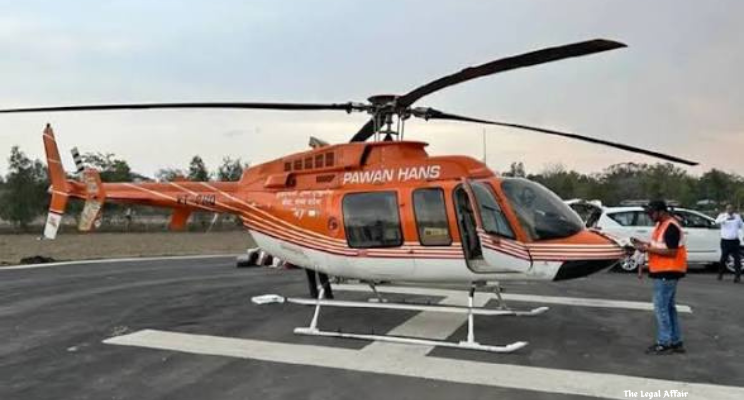
Accordingly, the Court allowed the intervention application and issued a categorical direction to the State authorities to ensure that the injured victim, identified as Ms. Jini Jwala, was airlifted from Indore to Ahmedabad without delay. The Court specifically directed that arrangements be made for her treatment at Zydus Hospital, Ahmedabad, which was stated to have the requisite specialised facilities for managing severe burn cases.
In its order, the Court recorded that upon due consideration of submissions and examination of photographic evidence depicting the condition of the victim, it was satisfied that immediate intervention was necessary. The Bench therefore directed the concerned authorities to act with expedition and ensure that no procedural delay obstructed the transfer of the patient.
The Court also issued directions to the Commissioner of Health Services, Bhopal, the Collector of Indore, and the Chief Medical and Health Officer (CMHO), Indore, to coordinate and ensure necessary arrangements for the airlifting process. These directions were intended to create administrative accountability and ensure seamless execution of the Court’s order.
While the Court did not adjudicate in detail on the larger issues of negligence or the legality of the borewell drilling activity, it acknowledged the serious nature of the incident and the prima facie concerns raised regarding violation of prohibitory orders and lack of coordination between authorities. However, it clarified that such issues would be examined in the broader scope of the PIL and any subsequent inquiry directed by the Court.
The immediate focus of the Court remained the preservation of human life, and the order reflects the judiciary’s consistent approach that in situations involving imminent medical emergencies, procedural formalities must yield to constitutional imperatives. The decision reinforces the principle that the right to health is an integral facet of the right to life, and the State bears a continuing obligation to ensure timely and effective medical treatment, particularly in cases involving life-threatening injuries.
The Court’s intervention in directing air evacuation also highlights the expanding scope of judicial oversight in ensuring access to specialised healthcare in emergency situations, especially where local infrastructure is insufficient to handle critical cases. The ruling thus stands as a reaffirmation of the judiciary’s role as a guardian of fundamental rights in urgent humanitarian crises.