


Introduction:
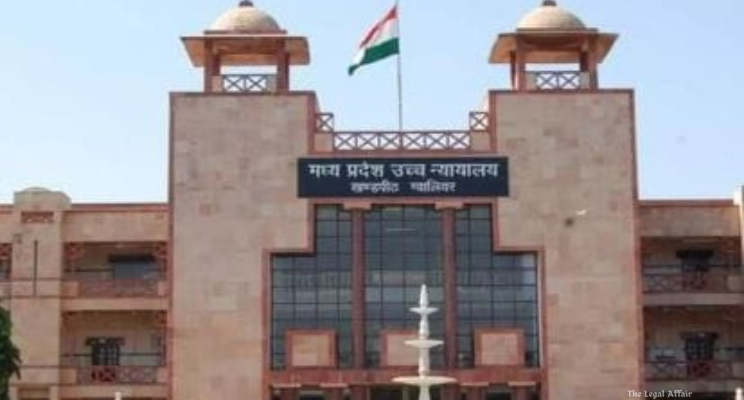
In a recent landmark decision, the Madhya Pradesh High Court dismissed charges of unnatural sexual offenses and mental cruelty against a petitioner-husband, citing forensic evidence on sperm viability. The case, which involved the petitioner, an Indian Army Major, raised significant questions about the duration for which semen can remain detectable, leading the court to question the validity of the allegations.
Arguments:
Petitioner’s Argument:
The petitioner, represented by advocates Harshit Sharma and Avinash Chaturvedi, contended that the charges against him, including violations under Section 377 IPC (now decriminalized) and Section 354 IPC, were baseless. They argued that forensic studies show sperm can only be viable for a few days, and thus the presence of semen in the complainant’s swabs five months post-separation was scientifically implausible. The petitioner further highlighted the allegations as a response to ongoing divorce proceedings and claimed they were motivated by malice.
Complainant’s Argument:
The complainant, represented by senior advocate R.K. Sharma and team, accused the petitioner of demanding dowry and subjecting her to unnatural sexual acts. They also alleged blackmail involving videotaped sexual acts. However, the court found these allegations to be vague and unsupported by concrete evidence, such as the absence of recovered digital evidence like CDs or pen drives.
Court’s Judgment:
Justice Anand Pathak of the Madhya Pradesh High Court reviewed the forensic evidence and concluded that the presence of sperm in anal and vaginal swabs after five months was implausible, as confirmed by various studies, including those in the LGC Forensic Journal and the Journal of Forensic Sciences. The court noted that semen typically survives for only a few days in such contexts, making the evidence presented against the petitioner insufficient and unreliable.
The court also criticized the investigative process, citing a shoddy and biased approach that seemed driven by personal vendettas related to the divorce case. The judgment further noted the need for careful handling of sensitive allegations to avoid misuse of the legal system. Consequently, the High Court quashed the FIRs and chargesheets against the petitioner and his relatives, emphasizing that the allegations were unfounded and motivated by the divorce proceedings.