


Introduction:
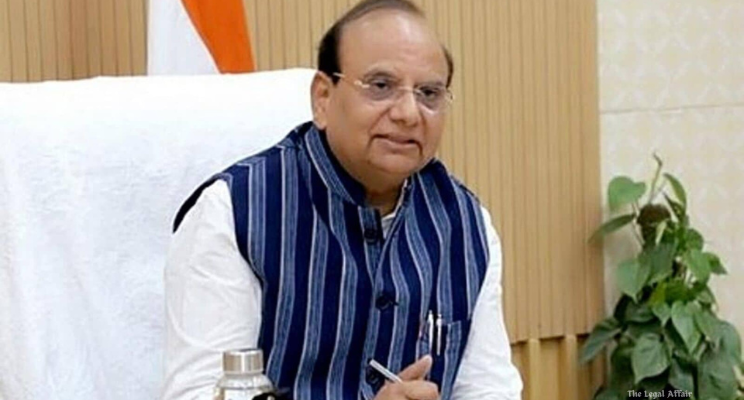
In a recent hearing, the Supreme Court addressed a contentious tree-felling incident linked to a road-widening project in Delhi, raising significant legal and environmental concerns. The case revolves around the actions of the Delhi Development Authority (DDA) and the Lieutenant Governor of Delhi, VK Saxena, who submitted an affidavit explaining his lack of awareness regarding the need for Supreme Court permission before the clearing of trees. This came in response to a contempt case initiated against the DDA’s Vice Chairman, Subhasish Panda, following the alleged illegal felling of approximately 1,100 trees to facilitate the widening of a road leading to the CAPFIMS hospital. The incident reportedly took place between February 16 and 26, 2024, prompting judicial scrutiny and public outcry over environmental compliance and the governance of urban development projects.
The bench, comprising Chief Justice of India DY Chandrachud, Justice JB Pardiwala, and Justice Manoj Misra, sought the LG’s explanation after the petitioner in the contempt case raised serious concerns about the tree felling. The affidavit presented by the Lieutenant Governor revealed that he was only informed about the requirement to seek permission from the Supreme Court after the illegal felling had already occurred. According to the affidavit, the Vice Chairman of the DDA informed the LG about the tree felling on June 10, 2024, and the requirement for permission was first brought to his attention on March 21, 2024, during discussions about forming an Expert Committee per the MC Mehta case directives.
The LG’s affidavit also detailed the project’s approval history, citing a letter from the Central Empowered Committee (CEC) dated February 1, 2017, which granted permissions for the CAPFIMS project, including environmental clearance and wildlife approvals. He argued that due diligence was observed, aiming to minimize the number of trees affected. Of the total trees affected, 422 were planned for cutting or transplantation from non-forest areas, while 629 were from forest land. However, the actual numbers reported indicated that 642 trees were cut, contradicting the initial plans. This discrepancy drew further criticism, as it raised questions about the management and oversight within the DDA.
Arguments by the Applicant (Petitioner):
The petitioner in the contempt case expressed strong dissatisfaction regarding the actions of the DDA and the LG concerning the tree felling. Their primary argument centred on the alleged illegalities surrounding the removal of trees, which was viewed as a significant environmental concern. The petitioner contended that the DDA and the Vice Chairman had acted in defiance of established legal requirements, notably the Supreme Court’s directive regarding the preservation of trees in ecologically sensitive areas. They argued that the felling of trees was not only a violation of the law but also detrimental to the environment and public interest, emphasizing the importance of the Ridge as a green belt in Delhi.
Furthermore, the petitioner asserted that the authorities’ failure to obtain permission from the Supreme Court before proceeding with the felling demonstrated a blatant disregard for judicial oversight. They highlighted that the actions taken by the DDA contributed to environmental degradation and undermined public trust in the government’s commitment to ecological preservation. The petitioner sought accountability from the LG and the Vice Chairman of the DDA, urging the court to impose strict measures against them for their roles in the unlawful felling of trees.
Arguments by the State (DDA and LG):
In contrast, the DDA and the LG defended their actions by emphasizing their intent to comply with legal obligations regarding tree felling for the road widening project. The LG’s affidavit clarified that he was not aware of the necessity to seek the Supreme Court’s permission until after the tree felling had occurred. He stated that the Vice Chairman had informed him about the ongoing situation only months after the felling took place, suggesting that communication breakdowns within the DDA were responsible for the oversight.
The LG’s affidavit also asserted that necessary approvals for the project had been obtained from relevant authorities, including the Ridge Management Board and the Ministry of Environment and Forest. The affidavit highlighted the planned mitigation measures for minimizing the impact on the environment, detailing efforts to relocate or transplant trees wherever possible. Furthermore, the LG indicated that a thorough inquiry had been initiated to hold responsible officials accountable for the unauthorized tree felling, specifically naming three DDA officers who allegedly acted without appropriate clearance. He underscored that no instructions had been given to bypass legal requirements and committed to enhancing accountability within the DDA’s operational framework.
Court’s Judgment:
After meticulously reviewing the arguments and evidence presented, the Supreme Court issued a critical judgment, reiterating the importance of adhering to environmental laws and the necessity of obtaining judicial permission for actions affecting protected areas. The court expressed concern over the DDA’s failure to comply with legal requirements regarding tree felling and the apparent lack of accountability among the responsible officials.
The bench emphasized that the legal framework governing tree preservation is crucial for maintaining ecological balance and safeguarding urban green spaces. In light of the evidence, the court found that the actions taken by the DDA and the LG were insufficient in addressing the grave implications of the illegal felling of trees. As a result, the court determined that the Vice Chairman of the DDA, along with other officials implicated in the unlawful actions, would remain subject to contempt proceedings. The court signalled its intention to pursue this matter further, aiming to ensure that accountability measures are enforced effectively to prevent such violations in the future.
In closing, the court ordered a comprehensive review of the DDA’s processes related to tree management and environmental compliance, urging the development authority to adopt stricter protocols for future projects involving ecological considerations. The Supreme Court’s judgment reinforced the principle that compliance with environmental laws is non-negotiable, and any deviations must be met with stringent legal consequences touphold the rule of law.