


Introduction:
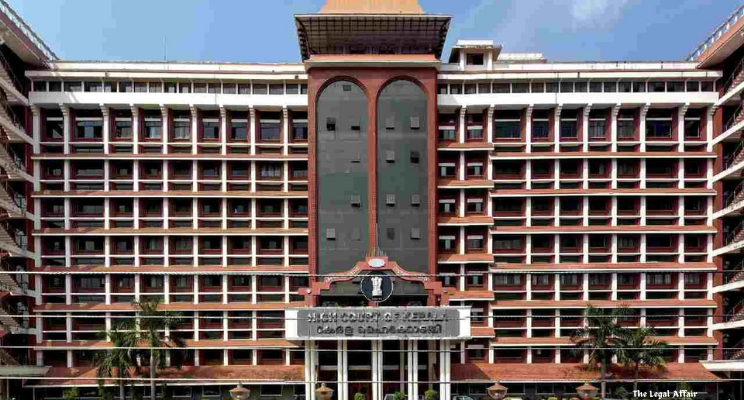
In the case, N Prakash v. M V Govindan Master [Con Case (C) No. 3252/2024], the Kerala High Court took a strong stance against the practice of blocking public roads and footpaths for protests, meetings, or political gatherings. The Division Bench of Justice Anil K. Narendran and Justice Muralee Krishna S. observed that while citizens have the right to agitate, they do not have a license to encroach upon public spaces, causing inconvenience to pedestrians and vehicles. The case arose in the aftermath of the CPI(M)’s Palayam area conference in Vanchiyoor, which allegedly obstructed one-half of the road, despite the police instructing them not to hold the meeting on a public street. The Court issued notices to CPI(M) leaders, Congress leaders, and state officials responsible for organizing such events, emphasizing the importance of ensuring free movement on public roads. CPI(M) State Secretary MV Govindan Master was granted permission to appear before the Court on February 12 instead of February 10, while other leaders appeared as directed. The Court reiterated that public pathways must remain accessible, particularly for vulnerable groups, including visually impaired individuals, and directed the respondents to file an affidavit within three weeks. The matter is next listed for March 3, 2025.
Arguments:
Petitioner’s Contentions:
The petitioner, N Prakash, submitted that political parties and organizations frequently occupy public roads and footpaths for meetings, processions, and protests, disregarding the fundamental right of the public to access these spaces. He argued that such actions create hazardous conditions for pedestrians, especially in areas with high vehicular movement. He pointed out that in the case of the Palayam area conference, the CPI(M) proceeded with the event despite explicit instructions from the Circle Inspector prohibiting them from using a public street. The petitioner contended that this amounted to contempt of court, as previous judgments had already established that public spaces cannot be obstructed for private or political purposes. He further emphasized that footpaths are crucial for pedestrian safety, especially for the elderly, children, and persons with disabilities, and blocking them forces people to walk on roads, increasing the risk of accidents. The petitioner urged the Court to take strict action against the violators and enforce clear guidelines to prevent future occurrences.
Respondents’ Defense:
The respondents, including CPI(M) leaders and state officials, argued that political gatherings are an essential part of democratic expression and that their intent was not to create inconvenience but to engage with the public. They claimed that the event in question was held with due consideration of public movement and that no major disruptions occurred. They also contended that political parties have historically used public spaces for meetings and that imposing blanket restrictions would stifle democratic discourse. Further, they asserted that permissions were sought in advance and that any inconvenience caused was unintentional. The state officials, on their part, acknowledged the need for better regulation of such gatherings but maintained that enforcing absolute restrictions could be impractical. They assured the Court that steps would be taken to ensure that future political events do not cause significant disruptions.
Court’s Judgment:
The Kerala High Court, while acknowledging the right to protest and hold political meetings, emphasized that such rights must be exercised without infringing upon the public’s right to free and safe movement. The Bench made it clear that setting up stages or blocking roads and footpaths for agitations is not permissible. Justice Anil K. Narendran remarked that public infrastructure is meant for the common good and cannot be monopolized by any group, regardless of their political or social standing. The Court took serious note of the fact that the CPI(M) conference in Vanchiyoor was held despite clear instructions from the police against using the public street. The Bench further observed that pedestrian pathways, including those with tactile tiles designed for visually impaired individuals, must be kept unobstructed at all times. The Court directed the respondents to file an affidavit within three weeks, detailing their justification for using public roads despite police prohibitions and the measures they intend to take to prevent such occurrences in the future. It also dispensed with the personal appearance of the respondents for the time being but made it clear that non-compliance with its directions would invite stringent action. The next hearing is scheduled for March 3, 2025.