


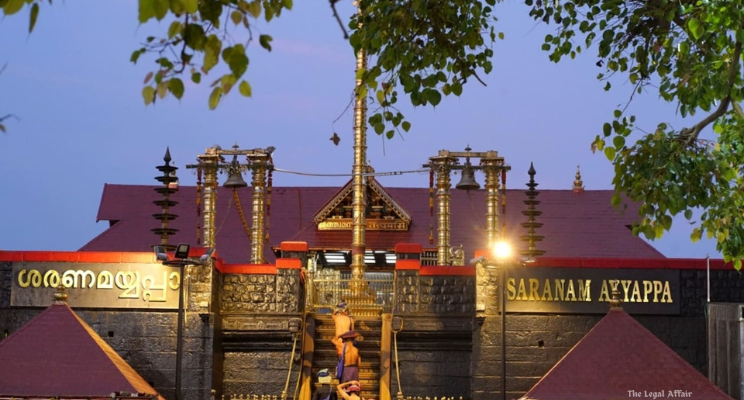
Introduction:
In a recent judgment, the Kerala High Court addressed a batch of petitions challenging the Travancore Dewaswom Board’s notification, which exclusively invited applications from Malayala Brahmins for the appointment as Melshanthi (chief priest) of Sabarimala-Malikappuram temples. The petitioners argued that this condition amounted to untouchability and violated Article 17 of the Constitution. Advocate B G Harindranath contended that the appointment should be based on qualifications rather than caste, while Advocate J Sai Deepak argued that it was a religious requirement given the unique traditions of the Sabarimala temple.
Arguments of Both Sides:
Advocate Harindranath emphasized the secular nature of priest appointments, asserting that expertise in mantras and Hinduism should be the primary criteria. On the other hand, Advocate Sai Deepak argued that Sabarimala, being a tantric temple with specific traditions, required the selection of Malayala Brahmins for the position of Melshanthi.
Court’s Judgment:
The Division Bench, comprising Justice Anil K Narendran and Justice P. G. Ajithkumar, rejected the petitioners’ argument of untouchability under Article 17. Justice Narendran emphasized that the right to worship under Article 25(2)(b) is not absolute, and the conditions in the notification were within constitutional bounds. The court refrained from delving into the interplay between fundamental and religious rights, citing inadequate pleadings and the pending Sabarimala reference before the Supreme Court.
Conclusion:
In concluding, the court underscored the administrative role of the Travancore Dewaswom Board, leaving the appointment criteria subject to guidelines until statutory rules are framed. The judgment acknowledged the absence of proper pleadings on Articles 25 and 26 but kept the contentions open for future proceedings. The decision showcased the delicate balance between religious practices and constitutional rights.