


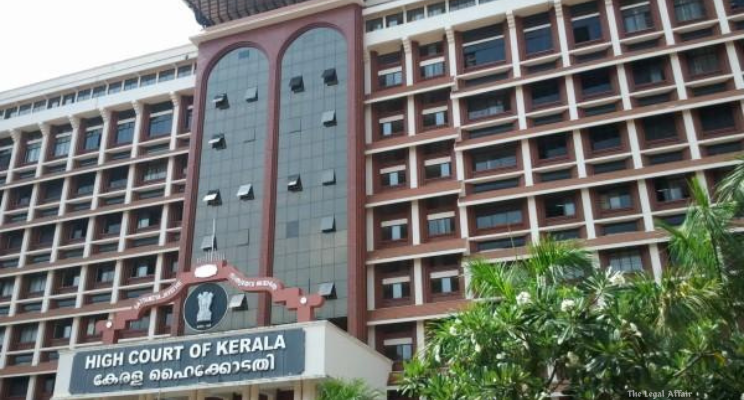
Introduction:
The Kerala High Court recently reinforced the principle that the power to alter charges under Section 216 of the Criminal Procedure Code (CrPC) resides solely with the court and can be exercised at any stage before the judgment is pronounced. This ruling came in the context of a revision petition challenging the alteration of charges by the Assistant Sessions Judge from culpable homicide not amounting to murder under Section 304 IPC to murder under Section 302 IPC.
Petitioner’s Arguments:
The revision petitioner, represented by Advocates Anesh Paul and Fredy Francis, contended that the prosecution has no right to seek alteration of charges under Section 216 of the CrPC. They argued that this power is exclusive to the court and that the public prosecutor’s application for altering the charges should not have been entertained. The petitioner insisted that such alterations could prejudice the defense and disrupt the fairness of the trial.
Respondent’s Arguments:
The respondents, represented by Public Prosecutor M P Prasanth, countered that while the power to alter charges lies with the court, there is no prohibition against parties bringing defects or omissions in the charges to the court’s attention. The prosecution argued that the application for altering charges was based on new evidence and statements that directly linked the accused to the crime of murder, thereby justifying the alteration.
Court’s Judgement:
Justice A. Badharudeen presided over the case, delivering a judgment that dismissed the revision petition and upheld the alteration of charges. The court reiterated that the power to alter charges is indeed vested in the court, and this power is broad, exclusive, and unrestrained. The judge clarified that while parties do not have the right to alter charges, they can file petitions to alert the court, which will then decide based on the merits of the case.
Justice Badharudeen cited precedents including *Silvester @ Silver v. State of Kerala (2023)* and *Dr. Nallapareddy Sridhar Reddy v. State of Andhra Pradesh (2023)*, affirming that the trial court could alter charges even after the completion of evidence and arguments. The court stressed the importance of ensuring that any alteration does not prejudice the accused and maintains the integrity of a fair trial.
In the specific case, the alteration of charges from Section 304 to Section 302 IPC was based on the statement of a prosecution witness indicating that the revision petitioner committed murder. The court found this evidence sufficient to justify the alteration and dismissed the revision petition, thereby allowing the trial to proceed under the revised charges.