


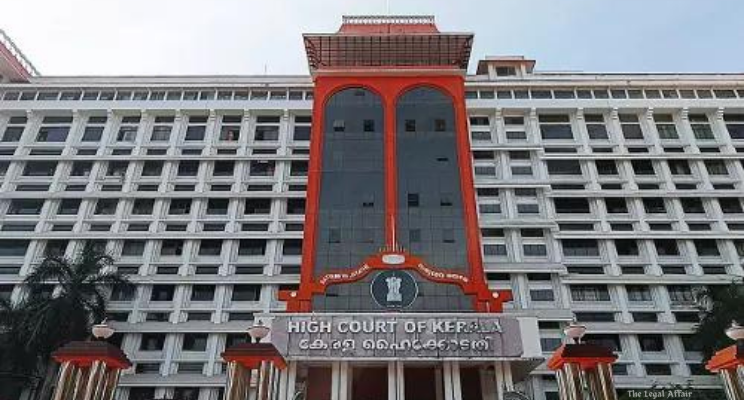
Introduction:
In a landmark ruling, Justice A. Badharudeen of the Kerala High Court quashed criminal proceedings deemed vexatious and frivolous, initiated with ulterior motives. The case, involving accusations of unlawful assembly, abuse, and threats, was found to be rooted in personal vendetta. The petitioners argued that the complaints were filed to evade repayment of a loan. The court underscored its duty to look beyond the First Information Report (FIR) to ascertain the true nature of such proceedings.
Arguments of Both Sides:
Petitioners’ Arguments:
Represented by Advocates C. K. Anwar, K. S. Sumesh, and Aswathi Vakkayil, the petitioners contended that the complaint was falsely lodged as an act of vengeance. They argued that the complainant’s husband had defaulted on a loan from Citizen Co-operative Society, Thrissur, and the society’s demand for repayment prompted the false accusations. The petitioners asserted that multiple FIRs were filed over time, pointing to a pattern of harassment and personal grudge.
They emphasized that the allegations of criminal trespass, abuse, and threats were fabricated, aiming to pressure them regarding the loan repayment. The petitioners urged the court to recognize the malicious intent behind the repeated filings and quash the proceedings to prevent misuse of the legal system.
Respondents’ Arguments:
Senior Public Prosecutor Renjit George, representing the respondents, argued that the FIR contained sufficient elements to constitute the alleged offenses under Sections 143, 147, 447, 294(b), 506(i), and 149 of the Indian Penal Code. He maintained that the complainant had reported a genuine incident of unlawful assembly and intimidation, necessitating a thorough judicial examination.
The prosecution underscored that the High Court should not intervene at this preliminary stage, as it might undermine the investigative process. They insisted that the judicial proceedings should continue to ascertain the validity of the allegations and ensure justice for the complainant.
Court’s Judgment:
Justice A. Badharudeen, in a detailed judgment, highlighted the importance of examining the broader context and underlying motives behind criminal proceedings. The court asserted that it is not sufficient to merely assess the FIR’s content; instead, attending circumstances and potential extraneous motives must be considered. Justice Badharudeen noted that the High Court has the inherent power to look beyond the face value of the FIR to prevent abuse of the judicial process.
The court observed that multiple FIRs filed against the petitioners, coinciding with demands for loan repayment, indicated a pattern of harassment aimed at exacting personal revenge. It found that the complaints were likely filed to nullify the demand for loan repayment, lacking any substantial evidence of the alleged offenses.
In its ruling, the court quashed the final report and all further proceedings in the Magistrate Court, emphasizing that such maliciously motivated cases should not clog the judicial system. The judgment underscored the court’s duty to safeguard individuals from frivolous and vexatious litigation intended to cause undue harm.