


Introduction:
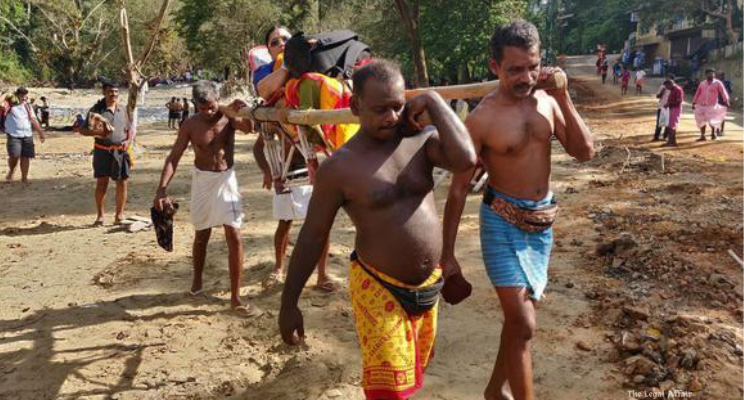
In a significant move to enhance the safety of pilgrims, the Kerala High Court has directed the Travancore Devaswom Board to establish strict safety measures for the ‘dollies’ (reclining cane chairs) used to carry devotees on the challenging trek to the Sabarimala temple. This directive comes after a concerning incident involving a 59-year-old devotee who sustained injuries after falling from a poorly maintained dolly. Addressing these safety gaps, the Court emphasized a need for regular fitness inspections, fixed life spans for dollies, and price transparency for services.
The High Court’s judgment, led by a division bench of Justice Anil K. Narendran and Justice P.G. Ajithkumar, mandates the Travancore Devaswom Board to implement these checks through designated engineering staff at Sabarimala, ensuring all dollies meet established safety standards before key festival seasons such as Maasapooja and Mandala-Makaravilakku. This verdict underscores the Court’s concern for pilgrims’ welfare amid the arduous journey to the holy site.
Background of the Case:
The Kerala High Court’s intervention was initiated following a report submitted by the Sabarimala Special Commissioner detailing an accident involving an elderly devotee. During his journey to the Sabarimala temple, the devotee fell from his dolly due to a broken support structure, which the investigation revealed to have been improperly maintained. This incident drew attention to the safety conditions surrounding the dollies, and the Court took cognizance of the broader risks posed to pilgrims by inadequate maintenance and potential exploitation by workers.
At present, 308 dollies are registered for use in Sabarimala, with 1,532 licensed workers responsible for transporting pilgrims along the challenging 5 km trek from Pamba to Sannidhanam. With the temple drawing millions of devotees annually, particularly during the festival season, the Court found that strict regulations were essential to safeguarding public health and safety.
Arguments by the Travancore Devaswom Board (TDB):
- Maintenance and Safety Measures in Place: The Travancore Devaswom Board argued that maintenance protocols and safety checks for dollies were already in place, with inspections conducted before each major festival season. They cited the regular involvement of their engineering teams, specifically the Additional Executive Engineer for the Sabarimala Development Project and the Assistant Engineer at Pamba, in overseeing dolly maintenance.
- Difficulty in Regulating Each Dolly: TDB representatives acknowledged the logistical challenges in monitoring the large number of dollies in service, particularly during peak seasons, when workers and equipment are stretched thin. They stressed that maintaining an effective system to regulate every individual dolly would require additional resources and funding.
- Police Verification and Worker Registration: In defense of the qualifications of the dolly workers, the TDB stated that all 1,532 registered workers had undergone a verification process by the police, along with health checks, to ensure they were physically capable and trustworthy. They claimed that these protocols ensured the reliability and accountability of the dolly workers.
- Concerns About Price Fixation: The Board expressed reservations about implementing a strict cap on dolly service charges, arguing that price fixation might deter workers from providing dolly services, especially given the physically demanding nature of the work. They feared that price regulation could result in reduced dolly availability, impacting the accessibility of the Sabarimala trek for elderly and differently-abled devotees.
Arguments by the State and the Sabarimala Special Commissioner:
- Necessity of Enhanced Safety Standards: The State and the Special Commissioner underscored that current safety measures were insufficient and needed systematic oversight to prevent accidents. They advocated for stringent checks to ensure the fitness of dollies, given the hazardous nature of the trek and the potential for serious injuries or fatalities if a dolly fails.
- Mandated Life Span for Dollies: The Special Commissioner suggested that each dolly should have a fixed life span, after which it must be discarded, as wear and tear over time compromises structural integrity. The Commissioner argued that neglecting to establish a life span would lead to further accidents, given that many dollies had visibly deteriorated over repeated use.
- Transparency and Fairness in Pricing: The State contended that exorbitant charges for dolly services placed a financial strain on pilgrims, and introducing price caps was essential for promoting fairness. They recommended that prices be published online on platforms like the Virtual Q system to inform pilgrims beforehand and prevent overcharging.
- Periodic Inspections and Enforcement: The State proposed that periodic inspections of dollies be conducted by the Duty Magistrates at Pamba and Sannidhanam, alongside the vigilance wing of the Travancore Devaswom Board. They argued that this would help detect any issues with dolly maintenance, and prevent any form of exploitation or non-compliance by dolly operators.
Court’s Observations and Judgment:
The Kerala High Court acknowledged both the logistical challenges and the paramount need for safety, noting the significant responsibility of the Travancore Devaswom Board to ensure the well-being of all pilgrims, particularly those dependent on dolly services.
- Regular Fitness Inspections for Dollies: The Court ordered that the TDB engineering staff inspect each dolly’s safety features, structure, and binding materials before the Maasapooja and Mandala-Makaravilakku festivals. The Court emphasized that no dolly should be used unless it has passed inspection, receiving a fitness certificate from the relevant engineer.
- Fixing a Life Span for Each Dolly: The bench directed that each dolly be given a specific operational life, after which it would be retired and replaced. The Court noted that this would ensure that only structurally sound dollies are in service, reducing the risk of accidents from weakened parts or bindings.
- Mandating Qualifications and Verification for Dolly Workers: To promote accountability and trustworthiness, the Court ruled that only registered workers who had undergone police verification and health checks should be permitted to transport pilgrims. These measures would help assure devotees and their families of the reliability of the dolly workers during the challenging trek.
- Transparency of Dolly Service Charges: Acknowledging the importance of fair pricing, the Court mandated that dolly service charges be published on the Virtual Q system, a move to ensure that pilgrims are aware of the charges in advance and not subjected to overpricing. The Court’s directive aimed to protect pilgrims from financial exploitation during their visit.
- Regular Monitoring During Festival Seasons: Finally, the Court tasked Duty Magistrates at Pamba and Sannidhanam, along with TDB’s vigilance officers, with conducting periodic checks during peak seasons. Any incidents of dolly worker misconduct, overcharging, or maintenance neglect were to be reported to the Executive Officer, Sabarimala, to initiate corrective action against offending dolly workers.