


Introduction:
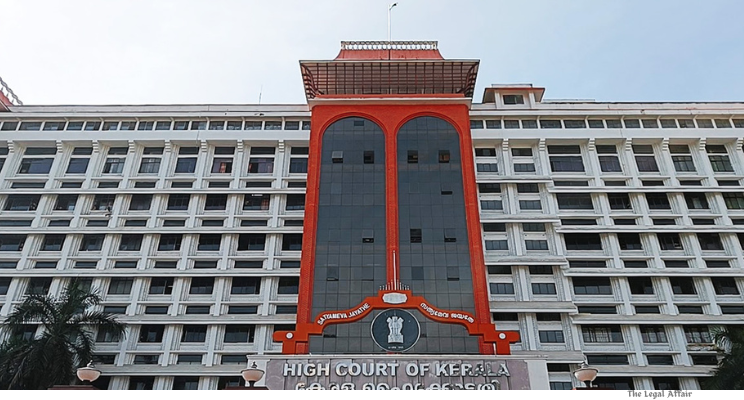
In a significant move towards digitisation and modernization of judicial processes, the Kerala High Court has directed all trial courts in the state to record witness depositions using the Adalat.AI speech-to-text transcription tool with effect from November 1, 2025. The order was issued after a successful pilot program conducted in select courts in Ernakulam, including the Additional District and Sessions Court handling cases related to atrocities and sexual violence against women and children, the Additional District and Sessions Judge VII/Addl. MACT, the Principal Munsiff Court, and the Judicial First Class Magistrate IX. The pilot phase, which began on February 1, 2025, reportedly demonstrated significant improvements in reducing delays, ensuring accurate documentation, and improving accessibility of witness statements for judicial officers, lawyers, and litigants. The Kerala High Court, through a memorandum issued by the Registrar (Computerisation)-cum-Director (IT), emphasized that this initiative would facilitate modernisation, improve efficiency, and ensure timely adjudication of cases across the state. The directions further mandate that once witness depositions are recorded using Adalat.AI, endorsed, and signed, they must be uploaded to the District Court Management System (DCMS), ensuring secure access for parties and their legal representatives. Nodal officers in each district are instructed to oversee implementation and submit monthly action taken reports detailing compliance, thus ensuring accountability and smooth rollout.
Background and Rationale:
The decision to adopt AI-based transcription technology stems from persistent delays and backlogs in courts, particularly in the recording of witness testimony, which has traditionally been a time-consuming and error-prone process. Conventional methods require court reporters or judicial officers to manually transcribe witness statements, often leading to discrepancies, omissions, or delays in trial proceedings. Recognizing the need for efficiency and accuracy, the Kerala High Court initiated a pilot phase to test the Adalat.AI speech-to-text tool, evaluating its reliability, speed, and ability to integrate with existing case management systems. During the pilot, witness depositions were digitally captured, transcribed in real-time, and subsequently verified by judicial officers, providing a framework for scalability across the state. The successful implementation in Ernakulam courts, including high-sensitivity cases involving sexual violence and atrocities, demonstrated the tool’s effectiveness in maintaining confidentiality, accuracy, and audit trails while minimizing human error. The Court, therefore, concluded that a mandatory rollout statewide would not only expedite trials but also enhance transparency and record-keeping.
Implementation and Operational Guidelines:
The Kerala High Court’s memorandum outlines specific operational protocols for adoption of Adalat.AI across all trial courts. First, all witness depositions must be recorded using the AI tool beginning November 1, 2025. In the event of technical difficulties, courts may seek approval to use alternative AI platforms or tools sanctioned by the Directorate of IT, High Court, to ensure uninterrupted proceedings while safeguarding data security. Once recorded, depositions must be endorsed and signed by the witness and judicial officer before being uploaded to DCMS, thereby ensuring secure, tamper-proof access for litigants and their counsel. The memorandum also mandates that Nodal Officers in every district ensure strict adherence to these directives, supervising implementation, addressing technical challenges, and coordinating with court staff to streamline workflows. They are further required to submit monthly Action Taken Reports detailing the mode of recording witness depositions, number of cases processed through AI transcription, and compliance levels in their respective districts. This comprehensive oversight mechanism is designed to maintain accountability, facilitate smooth transition to AI-based recording, and allow the High Court to monitor effectiveness and address any emerging issues promptly.
Potential Advantages of AI-Based Depositions:
The Kerala High Court’s adoption of Adalat.AI is expected to yield several advantages for the judicial system. First, it addresses the chronic issue of delays by significantly reducing the time required to document witness statements, which is often a bottleneck in trial proceedings. Second, AI transcription enhances accuracy by minimizing human errors associated with manual note-taking and transcription, ensuring that witness statements are faithfully captured. Third, digital deposition allows for instant storage and retrieval of records, facilitating easier case management and review by judicial officers, lawyers, and litigants. Fourth, the integration with DCMS ensures secure, centralized access to witness records while maintaining confidentiality, thereby upholding procedural integrity. Additionally, AI-assisted recording can provide time-stamped, verifiable transcripts, which may prove invaluable in complex or contentious cases where the authenticity of witness statements is questioned. The use of AI in judicial proceedings also reflects broader trends in technology adoption within the legal system, aligning Kerala’s courts with global best practices in e-governance, digital record-keeping, and AI-enabled adjudication.
Addressing Challenges and Concerns:
While the initiative promises significant benefits, the High Court acknowledged potential challenges associated with adopting AI transcription tools. Technical issues such as system downtime, connectivity disruptions, or software errors could impact recording quality. To mitigate this, the Court allowed for alternative platforms approved by the Directorate of IT in case of failures, ensuring continuity of judicial proceedings. Data security and confidentiality remain critical, particularly in sensitive cases involving sexual violence or personal information. Adalat.AI and alternative platforms must comply with robust security protocols, encryption, and restricted access controls to safeguard witness privacy. Training court staff and judicial officers to operate AI transcription tools effectively is another crucial component, as the accuracy and reliability of recorded statements depend on correct usage. The High Court, therefore, emphasized strict monitoring by Nodal Officers, who are tasked with troubleshooting, reporting compliance, and overseeing proper deployment of the tool across courts. By proactively addressing these challenges, the Court aims to maximize the benefits of AI while minimizing risks.
Broader Implications for the Judicial System:
The mandatory adoption of AI transcription technology in Kerala represents a significant step toward the digital transformation of the judiciary. It signals a shift from conventional, paper-based methods to a streamlined, technology-driven process that promises efficiency, transparency, and accuracy. By leveraging AI, the courts can handle larger caseloads, reduce trial durations, and ensure timely justice, particularly in cases involving vulnerable groups such as women and children. Moreover, the digitization of witness statements creates a secure, centralized repository that can facilitate research, case analysis, and appellate review, contributing to the broader objective of judicial reform. Kerala’s initiative may also serve as a model for other states seeking to integrate AI into court processes, demonstrating how technology can enhance procedural efficiency while maintaining legal rigor and safeguards. Importantly, the project reflects a balanced approach, combining technological innovation with careful oversight, ensuring that AI serves as a tool to augment, not replace, judicial discretion and human judgment.
Conclusion:
The Kerala High Court’s directive mandating AI-based recording of witness depositions marks a transformative step in modernizing the judicial process. By implementing the Adalat.AI speech-to-text tool statewide, the courts aim to reduce delays, enhance accuracy, ensure secure storage, and improve access for parties and legal representatives. The pilot phase in Ernakulam demonstrated the tool’s effectiveness in handling sensitive cases, providing a blueprint for statewide adoption. The High Court has established clear operational protocols, including endorsements, uploading to DCMS, alternate platforms for technical difficulties, and monitoring by Nodal Officers, ensuring accountability and smooth implementation. While challenges related to technology, training, and confidentiality exist, these have been addressed through comprehensive oversight mechanisms. The adoption of AI not only streamlines trial procedures but also reflects a broader commitment to judicial efficiency, transparency, and alignment with global best practices in digital governance. This initiative positions Kerala as a pioneer in leveraging AI for justice delivery and may inspire similar reforms across the country, ultimately facilitating timely, accurate, and secure adjudication in the courts.