


Introduction:
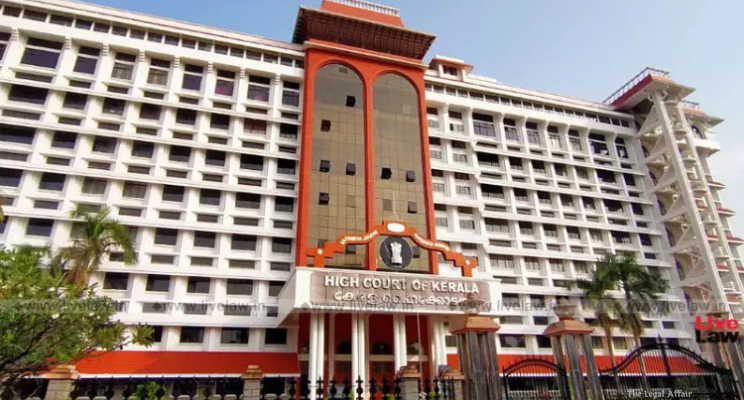
The Kerala High Court, on 24th December 2024, addressed the issue of a police stop memo issued against the burning of the ‘Pappanji’ effigy in Fort Kochi, a long-standing New Year tradition. The case arose when Gala de Fort Kochi, a local club, filed a petition challenging the action taken by the Mattancherry police. The club had erected the ‘Pappanji’ effigy, as per the customary ritual, but was served with a notice by the police citing safety concerns as the primary reason for prohibiting the burning of the effigy. The club argued that they had obtained all necessary approvals from the relevant statutory authorities and were in compliance with all applicable regulations. The court, presided by Justice Easwaran S., directed the Government pleader to clarify the legal provision under which the police issued the stop memo and scheduled the next hearing for 27th December 2024.
Arguments of the Parties:
The petitioners, Gala de Fort Kochi, explained that the burning of the ‘Pappanji’ effigy is an annual event held during the New Year celebrations in Fort Kochi, and it has been a customary practice for many years. The club highlighted that they had sought and received all necessary permissions from statutory authorities, including fire safety clearances, for the erection and burning of the effigy. They argued that there were no grounds for the police to issue a stop memo based on safety concerns, particularly as the event had been conducted successfully in previous years without incident. Furthermore, they contended that the burning of the effigy was a cultural and religious tradition that should not be interfered with unless there were concrete and legitimate safety hazards that could not be mitigated.
On the other hand, the Mattancherry police, represented by the Assistant Commissioner of Police, justified the issuance of the stop memo by citing safety concerns. They contended that the event, which involves the burning of a large effigy, could pose significant risks to public safety and property. The police stated that despite the club’s claims of having obtained permissions, they had reservations about the potential hazards associated with the event, such as the risk of fire accidents or damage to surrounding properties. The police further explained that the decision to intervene was made in the interest of ensuring public safety and preventing any untoward incidents during the celebration, particularly in a densely populated area like Fort Kochi.
The police also indicated that, while safety concerns were the primary reason for issuing the notice, they were not against the cultural aspect of the event but rather sought to ensure that it was conducted in a manner that would not endanger the public or public property.
Court’s Judgment:
Justice Easwaran S. of the Kerala High Court, after hearing both parties, expressed concern over the lack of clarity regarding the legal provision under which the police had acted. The court sought a specific explanation from the Government pleader regarding the statutory basis for the police’s action. In particular, the court was interested in understanding whether the police had the legal authority to issue such a stop memo in the absence of any clear and immediate safety threat. The court emphasized that cultural and traditional events, such as the burning of the ‘Pappanji’ effigy, should not be arbitrarily disrupted without a solid legal foundation and adequate evidence of a legitimate danger to public safety.
Justice Easwaran S. further noted that while the safety of the public and property is a legitimate concern, the police’s actions should not infringe upon fundamental rights, especially in the absence of substantial proof of imminent risk. The court did not make a final ruling on the matter but sought more information from the Government pleader to clarify the legal provisions being cited by the police. The case was adjourned to 27th December 2024 for further consideration.