


Introduction
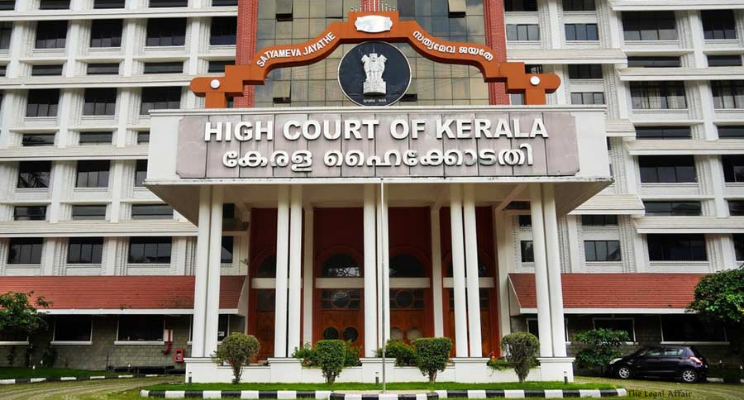
In the ongoing contempt proceedings titled *Mahesh v Anilkant & Connected Matters*, the Kerala High Court has expressed severe discontent with the current behavior of the police force in the state. The contempt case, registered as Contempt Case(C) No. 869 OF 2023(S) in WP(C) 11880/2021 & Connected Matters, has raised critical questions about the police’s conduct towards citizens, emphasizing the need for reform and adherence to constitutional mandates.
Arguments:
The petitioners argued that despite previous court orders and directives aimed at curbing abusive behavior by the police, instances of uncivilized conduct and the use of coarse language by officers persisted. The petitioners contended that such behavior instills fear and terror in the minds of ordinary citizens, deterring them from approaching police stations for help. They highlighted specific instances where police officers used derogatory language and displayed intimidating behavior, violating the court’s explicit instructions.
The petitioners also pointed out that the State Police Chief’s circular, issued in response to the court’s earlier directives, has not been effectively implemented. They argued that the lack of accountability and consequences for errant officers undermines public trust and demoralizes those officers who strive to perform their duties with integrity.
On the other hand, the respondents, represented by the Government Pleader, assured the court that steps were being taken to address the issue. The State Police Chief, Shaik Darvesh Saheb, appeared virtually before the court and reiterated the commitment of the police department to transform its approach. He mentioned that additional circulars had been issued to reinforce the need for civilized behavior among police officers.
The respondents argued that the transformation of a police force’s culture takes time and that isolated incidents should not be seen as reflective of the entire force. They emphasized ongoing efforts to train officers in better public interaction and the importance of maintaining a professional demeanor at all times.
Court’s Observations and Judgement:
Justice Devan Ramachandran, delivering an oral observation, expressed his incredulity at the police force’s continued use of abusive language and coarse behavior towards citizens. He reminded the police officers that they are public servants and that police stations are public offices where citizens should feel welcome. He stressed that the duty owed to the Constitution mandates that police officers act in a civil and professional manner.
Justice Ramachandran highlighted the nation’s journey over the past 75 years towards a more just and democratic society and emphasized that police behavior should reflect these values. He criticized any remnants of colonial-era attitudes among the police and called for a modern outlook that prioritizes humility and respect over arrogance and intimidation.
The court underscored that the word ‘police’ should resonate with protection and service rather than terror. It stressed that any uncivilized behavior by the police is unacceptable and that excuses such as acting in the heat of the moment are not valid. The court also noted that failing to take action against misbehaving officers negatively impacts the morale of those who perform their duties sincerely.
In its judgment, the court directed the Government Pleader to submit a detailed report on the actions taken against officers who violated the court’s orders. The court reiterated that ongoing contempt petitions would be rigorously examined to ensure compliance with its directives.