


Introduction:
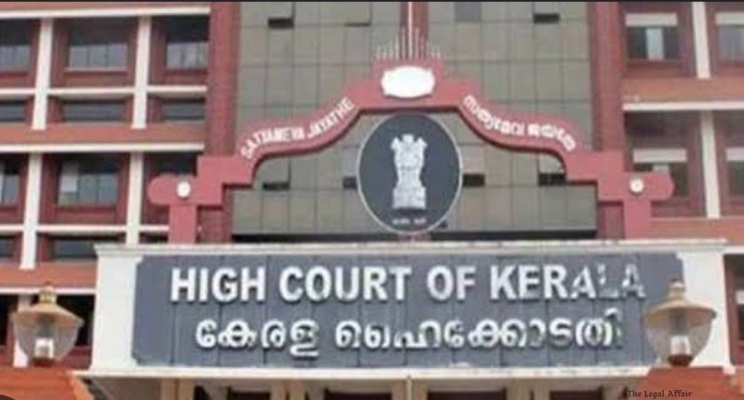
In a recent decision, the Kerala High Court clarified the nuanced differences between charges under Section 498A (cruelty by a husband or his relatives) and Section 306 (abetment of suicide) of the Indian Penal Code (IPC). The judgment highlighted that while a marital relationship is essential to establish cruelty under Section 498A, abetment to suicide under Section 306 can apply without any specific relationship between the accused and the victim. This case involved a man who had been convicted under Section 498A for alleged cruelty towards his deceased live-in partner but acquitted under Section 306 due to a lack of evidence showing he abetted her suicide. The High Court ultimately overturned his conviction under Section 498A, asserting the importance of clear charges and evidence in each specific context.
The case was adjudicated by a single-judge bench of Justice Sophy Thomas. The appellant had approached the High Court after being convicted under Section 498A, arguing that he had not been provided a fair chance to defend himself against charges of cruelty. The judgment also touched on the question of whether charges framed under Section 306 could implicitly cover the ingredients of a charge under Section 498A.
Background:
The prosecution alleged that the appellant and the deceased had been in a live-in relationship, with two children born from their union. After a series of alleged disputes and instances of harassment, the deceased reportedly committed suicide by consuming poison. The appellant was initially charged under Section 306 for abetment of suicide and subsequently convicted under Section 498A by the trial court, even though he was acquitted under Section 306. Dissatisfied with his conviction, he argued before the Kerala High Court that his conviction under Section 498A was unjustified as he was never provided with a specific charge for cruelty, and his relationship with the deceased was not legally recognized as marriage, which he asserted was essential for a conviction under Section 498A.
Appellant’s Arguments:
- Absence of Marriage as a Precondition for IPC Section 498A:
The appellant argued that Section 498A specifically applies to married couples and requires a legally valid marriage between the accused and the victim to bring about a conviction. Since he and the deceased were in a live-in relationship rather than a legally recognized marriage, he contended that this charge should not apply.
- Lack of Specific Charges under IPC Section 498A:
He also argued that he had been charged primarily under Section 306, with no separate charge or adequate notice under Section 498A. He emphasized that under Section 218 of the Criminal Procedure Code (CrPC), distinct charges must be framed for each offence, especially when the charges relate to separate crimes like cruelty and abetment to suicide. He argued that being convicted under Section 498A without specific charges was a violation of his right to fair trial, as he was not allowed to defend himself specifically against the accusations of cruelty.
- Insufficient Evidence of Matrimonial Cruelty:
The appellant maintained that the prosecution’s evidence primarily consisted of general allegations of harassment but lacked specific incidents or actions that could constitute matrimonial cruelty under Section 498A. He claimed there was insufficient evidence to substantiate any claim that his behaviour drove the deceased to suicide.
Prosecution’s Arguments:
- Application of IPC Section 498A in Cases of Cruelty and Harassment:
The prosecution argued that even in the absence of formal charges under Section 498A, the general evidence and testimony indicated a pattern of cruelty and harassment by the appellant. Witnesses had testified to instances of physical and mental cruelty inflicted upon the deceased by the appellant, which the prosecution contended satisfied the requirements of Section 498A.
- Relationship Recognition in Live-in Partnerships:
The prosecution contended that a live-in relationship could satisfy the conditions for Section 498A in cases where the relationship closely resembles marriage, citing testimonies suggesting the existence of a marital-like relationship. It argued that since the deceased and appellant were in a long-term relationship with children, the application of Section 498A was appropriate in this context.
- Minor Offenses Covered Under Major Charges:
The prosecution argued that under Section 222 of the CrPC, a minor offence like cruelty under Section 498A can be implicitly included within the greater charge of abetment to suicide under Section 306, as cruelty is often a component in cases of abetment to suicide. The prosecution asserted that the appellant was given adequate notice of the behaviour that led to his conviction, even without separate charges for 498A, as cruelty and abetment were intrinsically linked.
Court’s Judgment and Analysis:
Justice Sophy Thomas analyzed the issues surrounding the application of Sections 498A and 306, highlighting their distinct legal bases and implications. The High Court ultimately overturned the appellant’s conviction under Section 498A due to procedural and substantive issues, establishing key principles that differentiate these two sections of the IPC.
- Marital Relationship Requirement for Section 498A:
The Court emphasized that Section 498A applies specifically to married couples, where the cruelty inflicted by the husband or his relatives leads to physical or mental harm. Justice Thomas noted that “marriage is the sine qua non” for offences under Section 498A, meaning that a legally valid marital relationship is essential to invoke this section. As the relationship between the appellant and the deceased was a live-in arrangement, the High Court held that it did not meet the prerequisites for Section 498A, thereby invalidating his conviction under this charge.
- Distinction between IPC Sections 306 and 498A:
The Court observed that Sections 306 and 498A are separate and distinct offences. While Section 498A concerns cruelty within a marital context, Section 306 requires the establishment of abetment to suicide, which does not necessitate any specific relationship between the accused and the victim. This distinction implies that the absence of a conviction under Section 306 does not automatically negate the possibility of a conviction under Section 498A, and vice-versa. Each charge must be independently assessed and substantiated by specific evidence.
- Absence of Specific Charges for Cruelty under IPC Section 498A:
Citing principles of a fair trial, the Court underscored that defendants should be fully aware of the charges against them to adequately prepare their defence. Justice Thomas concluded that the appellant’s conviction under Section 498A was procedurally flawed because he was not given prior notice or a specific charge for cruelty. While the prosecution attempted to link the cruelty under Section 498A with the charge of abetment to suicide under Section 306, the Court emphasized that the appellant had not been given a proper opportunity to defend himself against a charge of cruelty under Section 498A. The High Court reiterated that the failure to frame specific charges for an offence could result in a miscarriage of justice, as the accused had no fair chance to contest the evidence or allegations specific to that offence.
- Legal Precedents Cited:
In its ruling, the Kerala High Court referred to the Supreme Court’s decision in Ramesh Kumar v. State of Chhattisgarh (2002), which emphasized that while Sections 306 and 498A are interconnected, they are distinct offences that require separate evaluation. The Court also cited the State of Rajasthan v. Kashi Ram (2006) decision, where it was held that a conviction under Section 498A could be sustained even if the charges were not explicitly framed, as long as the necessary evidence was available. However, in the present case, the Court found that the absence of specific charges under Section 498A against the appellant rendered the conviction unsustainable.
- Procedure and Fairness:
The Court recognized that the principles of justice demand that an accused person should be provided with clear and specific charges, ensuring that they have an opportunity to defend themselves adequately. In this case, the appellant was not given a proper opportunity to contest the cruelty allegations under Section 498A, as the charge was framed only about abetment to suicide under Section 306. This procedural lapse, in the Court’s view, failed justice, leading to the reversal of the conviction under Section 498A.
Conclusion:
The Kerala High Court concluded that the appellant’s conviction under Section 498A was unsustainable due to the lack of specific charges and failure to notify him of the allegations. The Court, however, clarified that if the appellant had been provided with an opportunity to meet the charges under Section 498A in the charge framed against him under Section 306, there would have been no injustice in convicting him under Section 498A. Given the procedural shortcomings, the Court acquitted the appellant of the charge under Section 498A of the IPC.