


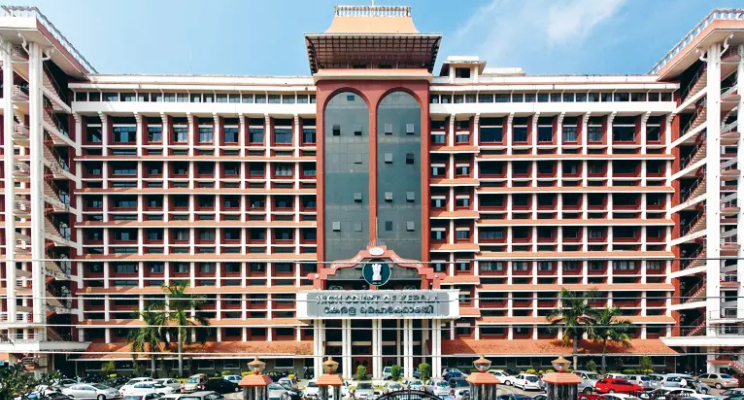
Introduction:
The case titled Suo Motu v. State of Kerala and Others (WP(C) No. 8529 of 2026) came before the Kerala High Court as part of its continuing mandamus jurisdiction to ensure that the Sabarimala pilgrimage is conducted in a safe, orderly, environmentally responsible, and pilgrim-centric manner. The Division Bench comprising Justice Raja Vijayaraghavan V. and Justice K.V. Jayakumar has been consistently monitoring the arrangements for the annual pilgrimage, recognizing the immense scale, complexity, and sensitivity involved in managing one of the largest religious gatherings in the country.
The proceedings were initiated suo motu by the Court, reflecting its proactive role in safeguarding the interests of lakhs of devotees who undertake the pilgrimage each year. Given the increasing number of pilgrims and the ecological sensitivity of the region—situated within the Periyar Tiger Reserve—the Court has emphasized the need for scientific planning, robust infrastructure, and coordinated governance.
During earlier hearings, the Court had issued a series of directions to the Travancore Devaswom Board (TDB), the State Government, and other agencies, requiring them to evaluate existing shortcomings and propose improvements. In compliance, the TDB submitted a detailed report outlining steps already taken and future measures proposed. The Police Department also placed on record its inputs, highlighting logistical and operational challenges.
Upon reviewing these submissions, the Court expressed satisfaction with the seriousness and commitment demonstrated by the authorities. However, recognizing that incremental changes would not suffice, the Court proceeded to lay down a comprehensive framework for the 2026–2027 pilgrimage season. This included structural reforms, technological interventions, environmental safeguards, and welfare measures, all aimed at ensuring a seamless and dignified pilgrimage experience.
Arguments and Submissions by the Stakeholders:
Submissions by the Travancore Devaswom Board (TDB)
The Travancore Devaswom Board, being the primary authority responsible for the administration of the Sabarimala temple, presented a detailed and structured response to the concerns raised by the Court.
Steps Already Taken:
The TDB informed the Court that several improvements had already been initiated in response to earlier directions. These included better crowd regulation mechanisms, improvements in sanitation, and preliminary digitisation efforts.
Future Vision:
The Board articulated a forward-looking vision for the Sabarimala festival, focusing on safety, cleanliness, improved pilgrim services, and enhanced ambience. It proposed a shift from ad hoc arrangements to a more institutionalized and systematic approach.
Digitisation Initiatives:
A major highlight of the Board’s submission was its commitment to digitising all festival-related activities by November 2026. This included online booking systems, digital payments, and integrated platforms for managing pilgrim flow.
Infrastructure Development:
The Board outlined plans to upgrade infrastructure at key locations such as Nilakkal, Pamba, and Sannidhanam. These included additional toilet facilities, water kiosks, improved seating arrangements, and better accommodation systems.
Environmental Responsibility:
Recognizing the ecological sensitivity of the region, the TDB emphasized its adherence to green protocols, including waste management measures and restrictions on plastic usage.
Administrative Reforms:
The Board proposed the creation of a dedicated Sabarimala Festival Budget and the appointment of professionals, including auditors, to ensure transparency and accountability.
Submissions by the State and Police Authorities
The State Government and Police Department provided their perspectives, focusing primarily on operational challenges and the need for coordinated action.
Challenges in Crowd Management:
The Police highlighted the immense difficulty in managing large crowds, especially during peak days. They stressed the need for scientific crowd control mechanisms and better infrastructure.
Need for Technological Support:
The authorities emphasized the importance of technology, including surveillance systems, real-time monitoring, and predictive analytics, to ensure effective crowd management.
Traffic and Logistics Issues:
The State pointed out challenges related to traffic congestion, inadequate road infrastructure, and limited parking facilities, which often lead to delays and safety concerns.
Stress on Personnel:
The Police also drew attention to the physical and mental strain on personnel deployed during the pilgrimage, particularly those stationed at critical نقاط like the Pathinettampadi (18 Holy Steps).
Medical and Emergency Services:
While acknowledging improvements, the State noted gaps in medical infrastructure, especially at Nilakkal, and the need for better emergency response systems.
Court’s Observations and Judgment:
After a detailed examination of the submissions, the Kerala High Court delivered a comprehensive set of observations and directions aimed at transforming the management of the Sabarimala pilgrimage.
1. Institutional Framework and Governance
The Court emphasized the need for a robust institutional framework to ensure coordinated decision-making and implementation.
It directed the constitution of a Sabarimala Infrastructure and Crowd Management Expert Committee, comprising specialists in transport engineering, urban planning, civil engineering, disaster management, environmental science, public health, and IT/data analytics.
This Committee is tasked with preparing a scientific plan based on carrying capacity, safety, environmental concerns, and pilgrim convenience.
Additionally, a Coordination and Monitoring Task Force was mandated to ensure timely implementation of recommendations.
The appointment of an IAS officer as Sabarimala ADM was directed to facilitate inter-departmental coordination.
2. Capping of Pilgrim Inflow and Virtual Queue System
Recognizing the dangers of overcrowding, the Court introduced a critical measure:
- The daily number of pilgrims was capped at 80,000, based on optimal carrying capacity.
- The Virtual Queue system was to be upgraded with real-time updates and cancellation features.
- Traditional forest route pilgrims were capped at 5,000 per day, with mandatory registration.
- Spot bookings were to be strictly regulated and kept within the daily limit.
- The Court also suggested introducing a refundable security deposit to discourage speculative bookings and ensure better predictability in pilgrim flow.
3. Technology and Integrated Command Systems
The Court placed significant emphasis on leveraging technology:
- Establishment of an AI-based Integrated Command and Control Centre with CCTV surveillance and 3D crowd analytics.
- Deployment of AI-enabled drones for real-time monitoring.
- Introduction of RFID systems to track pilgrim movement.
- Development of a dedicated Sabarimala website and complete digitisation of services.
- Implementation of digital payment systems and pre-booking of prasadam.
4. Traffic Management and Infrastructure Development
To address logistical challenges, the Court recommended:
- Widening of key roads and construction of new bridges.
- Development of parking facilities at Nilakkal and Pamba.
- Creation of emergency evacuation routes.
5. Sanitation, Safety, and Environmental Measures
The Court underscored the importance of cleanliness and ecological preservation:
- Mandatory structural and fire safety audits.
- Introduction of waste segregation systems and deep cleaning protocols.
- Continued ban on plastic items and synthetic materials.
- Strict adherence to environmental norms within the Periyar Tiger Reserve.
6. Medical and Health Services
The Court directed improvements in medical infrastructure:
- Enhanced facilities at Nilakkal.
- Establishment of rest areas with medical aid along trekking routes.
- Review and rationalisation of existing medical services.
7. Pilgrim Welfare and Amenities
- Several measures were suggested to improve pilgrim experience:
- Transparent online booking for accommodation.
- Increased seating and shelter along trekking routes.
- Multilingual information centres and help desks.
- Regulation of services such as dolly transport to prevent exploitation.
8. Training and Staffing
- The Court stressed the need for professionalisation:
- Mandatory training for all TDB staff.
- Reduction in reliance on daily wage workers.
- Improved facilities for police personnel.
9. Timelines for Implementation
- To ensure accountability, the Court laid down strict timelines:
- Completion of major works by 31 October 2026.
- Digitisation trials by October 2026.
- Training programs between August and October 2026.