


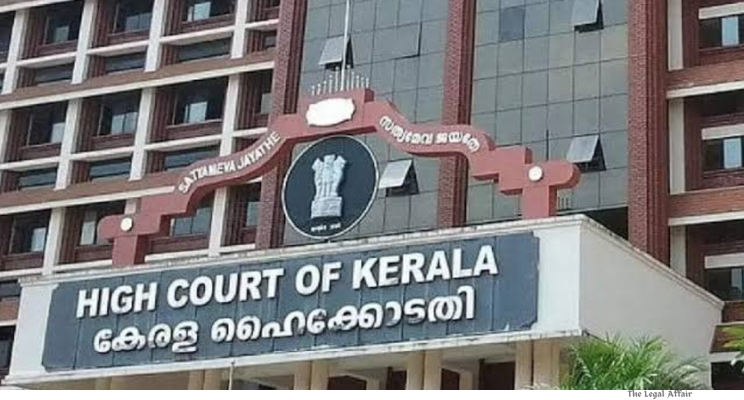
Introduction:
In a landmark decision, the Kerala High Court has clarified the legal protections available to individuals suffering from Alzheimer’s Dementia who are accused in criminal proceedings. The case, V.I. Thankappan v State of Kerala (CRL.MC NO. 6370 OF 2023), involved a 74-year-old man with advanced Alzheimer’s Dementia who was charged under Section 13 of the Prevention of Corruption Act. The central issue was whether the petitioner, due to his cognitive impairments, was entitled to protections under the Criminal Procedure Code (CrPC) and the Bharatiya Nagarik Suraksha Sanhita (BNSS), 2023.
Arguments of Both Sides:
Petitioner’s Argument:
The petitioner’s counsel argued that the petitioner’s advanced stage of Alzheimer’s Dementia rendered him incapable of defending himself in the criminal proceedings. They asserted that this condition falls within the definition of “unsound mind” as outlined in Chapter XXV of the CrPC and Chapter XXVII of the BNSS. Dementia, being a neurodegenerative disease, significantly impairs cognitive functions such as memory and language, thereby preventing the petitioner from effectively participating in his trial. The counsel criticized the Special Judge’s directive for a psychiatric evaluation, arguing that it did not adequately consider the broader implications of the petitioner’s cognitive decline.
Respondents’ Argument:
The respondents, represented by Amicus Curiae, contended that determining mental incapacity and “unsound mind” under the law required a formal psychiatric evaluation. They maintained that such an assessment was essential to substantiate claims of mental impairment, ensuring that the procedural protections under the BNSS and CrPC were appropriately applied. Without a professional evaluation, they argued, the petitioner’s capacity to stand trial could not be properly assessed.
Court’s Judgment:
Justice K. Babu, presiding over the case, carefully examined the impact of Alzheimer’s Dementia on legal defenses. The Court recognized that Alzheimer’s, as a progressive neurodegenerative disorder, severely impairs cognitive functions, which can affect an individual’s ability to engage in legal proceedings. Justice Babu highlighted that both Chapter XXV of the CrPC and Chapter XXVII of the BNSS provide protections for individuals unable to defend themselves due to mental disabilities, including advanced Alzheimer’s Dementia.
The Court criticized the Special Judge for not thoroughly considering the petitioner’s mental condition in light of the legal standards set by these provisions. The High Court emphasized that it was the responsibility of the judicial officer to assess the petitioner’s ability to participate effectively in his trial, rather than relying solely on a psychiatric evaluation.
Consequently, the High Court set aside the Special Judge’s order and directed a reconsideration of the petitioner’s application under the BNSS. The Court affirmed that the BNSS applies retrospectively, thus extending necessary legal protections to individuals with intellectual disabilities who are incapable of defending themselves due to their condition.
Conclusion:
The Kerala High Court’s ruling underscores the importance of recognizing the cognitive limitations of individuals with Alzheimer’s Dementia in criminal proceedings. By affirming the applicability of the BNSS and CrPC provisions to such cases, the Court has ensured that individuals with severe mental impairments are afforded the necessary legal protections, thus safeguarding their right to a fair trial. This decision sets a precedent for how the judiciary should approach cases involving defendants with significant cognitive disabilities, ensuring that justice is administered with consideration of their mental health conditions.