


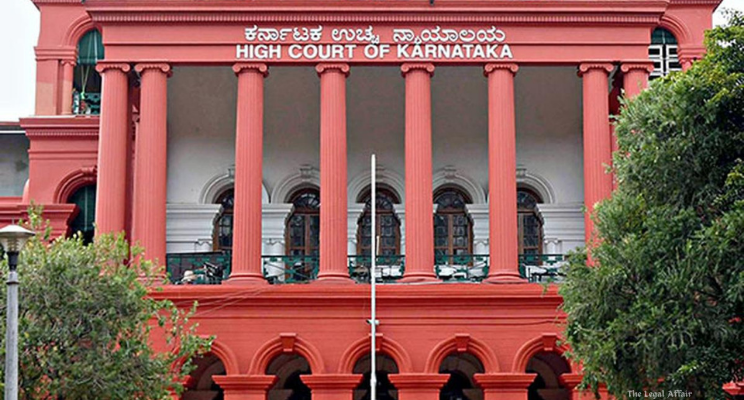
Introduction:
In Shekhar v. State of Karnataka & Anr. (Criminal Petition No. 9546 of 2024), the Karnataka High Court, through Justice M. Nagaprasanna, dismissed a plea to quash criminal proceedings against a licensed deed writer accused of drafting a land sale agreement based on an allegedly forged General Power of Attorney (GPA). The case stemmed from a complaint filed by Venkat Ranjith Pattibandla, the GPA holder of his father-in-law, Yalamanchali Jithin Kumar, accusing several parties, including the petitioner, of impersonation and forgery in executing a fraudulent agreement. The court held that the deed writer had a statutory duty to scrutinize documents before drafting deeds and found prima facie evidence to proceed with the case.
Arguments by the Petitioner:
The petitioner, Shekhar, contended that his role as a deed writer was limited to drafting the document based on the materials presented to him. He argued that he had no reason to suspect the authenticity of the documents and had fulfilled his obligations under the Karnataka Registration (Deed Writers’ Licence) Rules, 1979. Shekhar maintained that he had acted in good faith and had no connection to the alleged forgery or impersonation. Additionally, he asserted that the inclusion of his name in the case was unwarranted as he was merely executing his professional duties and was not involved in verifying property ownership or the legitimacy of the parties involved.
Arguments by the Respondents:
The complainant, represented by Advocate Sammith S., argued that the petitioner’s role extended beyond merely transcribing documents. The statute imposes a duty on deed writers to conduct due diligence, including verifying the identity of parties and the authenticity of documents presented. The complainant contended that Shekhar failed to fulfil these responsibilities, which directly contributed to the execution of a fraudulent agreement. The prosecution, represented by Additional SPP B.N. Jagadeesha, emphasized that the discrepancies in the documents and the petitioner’s negligence established a prima facie case of forgery, impersonation, and criminal breach of trust under Sections 409, 419, 465, 468, and 34 of the IPC.
Court’s Judgement:
The Karnataka High Court dismissed the petition, holding that Shekhar, as a licensed deed writer, had a statutory duty to scrutinize documents before drafting the deed. The court referred to Rule 2(i) of the Karnataka Registration (Deed Writers’ Licence) Rules, 1979, which defines a deed writer as someone responsible for preparing deeds for registration, including conveyancing, title investigation, and document preparation. The bench observed that Shekhar had failed to perform these duties, particularly when the documents presented to him contained glaring discrepancies. The court highlighted that the name in the RTC (Record of Rights, Tenancy, and Crops) was “Y.J. Kumar,” whereas the agreement bore the name “Y.M. Jithin Kumar,” which should have raised red flags. Furthermore, the photographs in the Aadhar card and GPA matched, while the photograph in the agreement did not, indicating clear evidence of forgery.
Rejecting the petitioner’s claim that he merely acted on the instructions of an advocate, the court noted that professional obligations under the statute require deed writers to exercise independent judgment and diligence. The court emphasized that the petitioner’s failure to verify the documents and identity of the parties enabled the alleged forgery and impersonation. The bench also dismissed the argument that the petitioner had no role beyond drafting the deed, stating that his responsibilities included investigating the title and ensuring the authenticity of the transaction.
The court concluded that the petitioner’s actions, or lack thereof, prima facie implicated him in the alleged offences. It ruled that the investigation into the matter was necessary to ascertain the full extent of the petitioner’s involvement and refused to interfere with the ongoing criminal proceedings. The petition to quash the case was, therefore, dismissed, and the court directed the continuation of the investigation against all accused parties.