


Introduction:
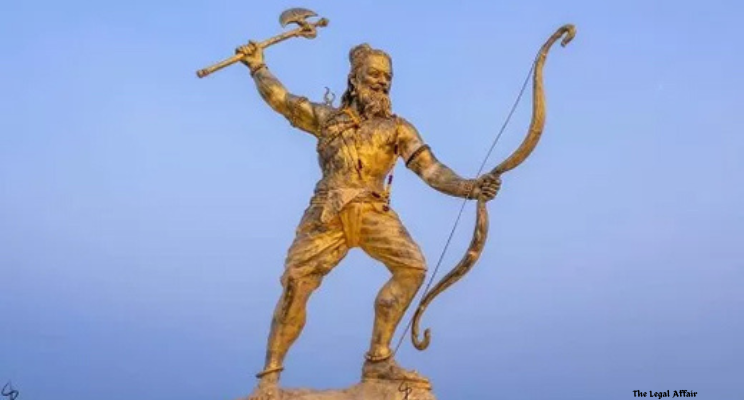
In Krishna Naik v. State of Karnataka & Others (Criminal Petition No. 6159 of 2024), the Karnataka High Court dismissed a petition seeking to quash a criminal case registered against Krishna Naik, a sculptor accused of unscientific construction of a 33-foot Parashurama statue inside a theme park in Udupi district. The petitioner, entrusted with the task of sculpting the statue, was accused of delivering substandard work, leading to the statue’s removal shortly after its installation. The bench, led by Justice M Nagaprasanna, ruled that the case required further investigation, given the allegations of mismanagement of public funds and improper execution of the project.
Naik had been charged under Sections 409 and 420 of the Indian Penal Code (IPC), relating to criminal breach of trust and cheating. The case against him was filed after the statue he constructed was found to be misaligned and unstable, requiring its removal just months after its installation. Despite the project receiving significant public funding, the petitioner failed to deliver a properly aligned statute, which sparked allegations of fraud and negligence.
Petitioner’s Arguments:
The petitioner, Krishna Naik, contended that the charges of cheating and breach of trust were unfounded and that the issues with the statute were technical, not criminal. His counsel, Senior Advocate M Aruna Shyam, argued that Naik had indeed completed the statue, but due to time constraints and pressure to meet the inauguration deadline, the statue was hurriedly installed.
Naik admitted in his representations to the authorities that the statue’s alignment was incorrect, but he emphasized that the work was not finished and required further adjustments. He had sought extensions to correct these errors, but circumstances, including delays in receiving necessary approvals and further funding, had slowed his efforts.
The defense argued that the presence of materials such as copper and zinc, confirmed by the National Institute of Technology Karnataka (NITK), proved that the statue was crafted with the correct alloy. Naik maintained that the quality of the materials used was not at fault, and the problem lay solely in the alignment, which could be rectified with more time and resources.
Furthermore, the petitioner challenged the large sum of Rs. 1.25 crores paid to him as an advance, claiming it was used for necessary expenses related to the project. He contended that there was no misappropriation of funds, and the ongoing issues were purely technical and not criminal. Naik requested the court to quash the charges and halt the investigation, arguing that the case lacked the ingredients of fraud or cheating as alleged by the prosecution.
Respondent’s Arguments:
The respondents, including the State of Karnataka, represented by Additional Special Public Prosecutor B.N. Jagadeesha, argued that the petitioner’s actions amounted to criminal breach of trust and cheating. They highlighted that despite receiving Rs. 1.25 crores in public funds, Naik failed to deliver a statute that met the required specifications. The prosecution pointed to the substandard construction and misalignment of the statue, which was dismantled only a few months after its erection.
Advocate Srikanth V.K., appearing for the complainant Krishna Shetty, emphasized the serious nature of the accusations. According to the complainant, Naik had received an advance of Rs. 1.25 crores even before commencing work on the statue, and yet, the final product was unusable and dangerous. He further argued that Naik’s failure to deliver the project on time, and the subsequent need to dismantle the statue, indicated that the petitioner had no intention of fulfilling his contractual obligations properly. The statue, which was supposed to be the highlight of a theme park dedicated to the legendary figure Parashurama, was hurriedly installed and posed a risk to public safety due to its faulty construction.
The respondents also drew attention to the fact that Naik had been granted several extensions to complete the project but had consistently failed to rectify the issues with the statute. The prosecution emphasized that the petitioner’s actions involved a misuse of public funds, and an investigation was necessary to determine whether there had been any fraudulent intent in his handling of the project.
The prosecution, relying on the NITK report, conceded that while the materials used in the statute were appropriate, the hurried and shoddy execution of the work pointed to negligence and potential fraudulent intent on the part of Naik. They argued that Naik’s mismanagement of public money and failure to deliver on his contract justified the continuation of the investigation into his actions.
Court’s Judgement:
The Karnataka High Court, after considering the arguments of both sides, refused to quash the criminal case against Krishna Naik, finding sufficient grounds for further investigation into the matter. The court acknowledged that while the material used in the statute was not in question, how Naik executed the project raised serious concerns about negligence, breach of trust, and misappropriation of public funds.
- Shoddy Execution of the Statue:
Justice M Nagaprasanna noted that Naik admitted to constructing the statue in haste, leading to its improper alignment. The bench observed that while the alloy composition used in the statue was correct, how it was erected was substandard and potentially dangerous. The court emphasized that Naik’s representations to the Udupi Nirmithi Kendra acknowledged that the statue was improperly aligned and needed further work to bring it up to the required standards.
The court was particularly concerned about the risk posed by the statue to public safety. The bench highlighted the fact that it was fortunate the statue had not collapsed after its inauguration, which could have led to loss of life or injury to the public. The hurried manner in which the statue was installed, despite the significant amount of public money involved, justified further investigation into the petitioner’s actions.
- Financial Mismanagement:
The court also focused on the financial aspects of the case, particularly the Rs. 1.25 crore advance paid to Naik for the project. The bench found it difficult to understand how such a large sum of money could have been transferred to Naik, yet the project remained incomplete and the statue was in such poor condition that it had to be dismantled just months after its installation.
Justice Nagaprasanna emphasized that the petitioner had been given multiple opportunities to complete the project, including extensions of time, but had failed to deliver a satisfactory product. The court noted that Naik’s failure to rectify the alignment of the statue even 12 months after it was dismantled raised questions about his commitment to fulfilling the contract and his handling of public funds.
- Need for Investigation:
Given these factors, the court held that the case against Naik warranted further investigation. The bench pointed out that the involvement of public funds in the project, combined with the petitioner’s failure to deliver a properly constructed statute, raised serious concerns about fraud and breach of trust. The court concluded that an investigation was necessary to determine whether Naik had acted with fraudulent intent or merely negligently.
The bench dismissed Naik’s petition to quash the case, stating that the allegations against him were serious and required a full investigation to uncover the truth. The court reiterated that Naik’s actions in constructing the statue were not merely technical errors but potentially criminal, given the large sums of money involved and the risk to public safety.
Conclusion:
The Karnataka High Court’s decision in this case highlights the importance of accountability when dealing with public funds and the execution of public projects. Despite the petitioner’s arguments that the issues with the statute were technical, the court found that the combination of substandard work, financial mismanagement, and the potential risk to public safety justified further investigation into the matter. The ruling serves as a reminder that contractors entrusted with public projects must meet their obligations both in terms of quality and financial integrity, and failure to do so can result in serious legal consequences.