


Introduction:
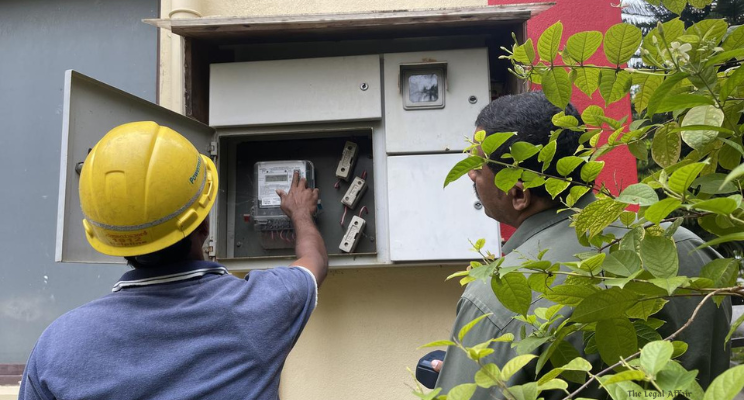
In the case titled Jayalakshmi M v. State of Karnataka & Others (WP 12535/2025), the Karnataka High Court on April 26, 2025, took serious note of the government’s move mandating the installation of costly smart prepaid meters for electricity consumers. The petitioner, Jayalakshmi M, challenged the communication issued on 02.04.2025, which compelled her to install a Smart Energy Meter, raising strong concerns about the financial burden imposed on ordinary consumers. During the hearing, Justice M Nagaprasanna expressed significant disapproval over the inflated cost of these smart meters when compared to neighbouring states, where the price is much lower. The court issued an interim order after hearing the petitioner’s plea and posted the matter for further consideration on June 7, 2025.
Arguments of both sides:
The petitioner, represented by Senior Advocate Prabhuling K Navadgi, argued that the directive mandating the purchase of a smart prepaid meter was not only oppressive but also contrary to the Karnataka Electricity Regulatory Commission (Pre-paid Smart Metering) Regulations, 2024. It was pointed out that while in Karnataka, the consumers are being charged ₹8,900 for the installation of a smart meter, in neighbouring states, the cost for the same type of smart meter is only ₹900. Highlighting this massive disparity, the petitioner contended that it placed an unfair and heavy financial burden on the common people, especially those belonging to economically weaker sections. Furthermore, it was submitted that, as per the regulatory framework, the installation of prepaid smart meters is optional and not mandatory except in cases of temporary electricity connections, whereas the petitioner’s case involved a permanent connection. Hence, forcing her to install a smart meter was illegal and unjustified. Senior Advocate Navadgi stressed that the regulatory commission itself had intended for such installations to be voluntary, and thus coercive directives from state authorities could not override the statutory scheme. It was also requested that the court direct the respondents to provide a transparent communication specifying the procurement and installation costs of both regular static meters and smart meters, so that consumers can make an informed choice.
On the opposing side, although the State’s detailed arguments are awaited, the initial defence aligned with procedural compliance, suggesting that the installation was carried out following guidelines issued by the competent authority. However, no satisfactory explanation was offered during the hearing to justify the huge cost differential.
Judgement:
Observing the matter, Justice M Nagaprasanna critically questioned the government’s policy, remarking that forcing the poor to bear exorbitant costs for something available elsewhere at a fraction of the price was deeply troubling. The court observed that such practices could disproportionately affect economically marginalised sections and emphasised that outsourcing the entire process of meter procurement and installation without proper checks could lead to exploitation. In his oral observations, Justice Nagaprasanna specifically pointed out, “All over (other states) it is at Rs 900 for the very same smart meter and you are charging Rs 8,900, where will poor people go, sir? You have outsourced the things; this is dangerous. You are quenching from all the poor people.” Following these critical remarks, the court passed an interim order in favour of the petitioner, effectively restraining the authorities from insisting on the mandatory installation of the smart meter for the petitioner during the pendency of the writ petition. The matter has been posted for further hearing on June 7, 2025, and notices have been issued to the respondents. The case now stands at a pivotal point, with the court’s interim relief offering temporary protection to the petitioner against forced installation and the larger issue of unjust financial imposition on consumers likely to be deliberated further in subsequent hearings.