


Introduction:
In a significant move, the Jharkhand High Court, on April 3, 2025, took suo motu cognizance of the prolonged power outages during festivals in Ranchi, particularly during the Sarhul celebrations on April 1. The division bench, comprising Chief Justice M.S. Ramachandra Rao and Justice Deepak Roshan, addressed the issue, emphasizing the essential nature of electricity supply and its critical role in the daily lives of residents.
Background of the Case:
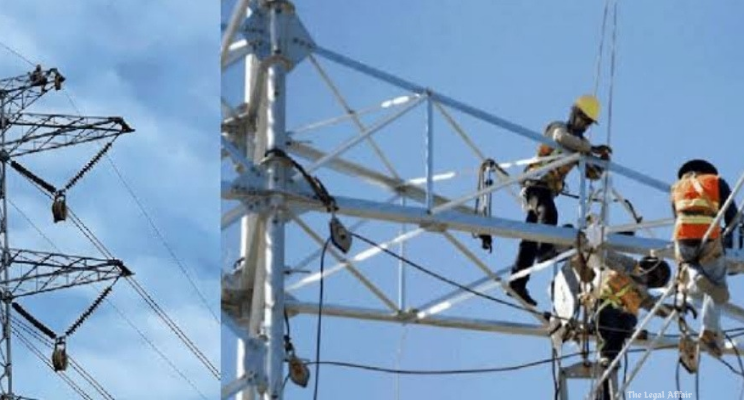
The court’s intervention was prompted by reports of extensive power cuts during the Sarhul festival, where electricity was reportedly shut down from 1 PM to 11 PM in various parts of Ranchi. This action by the Jharkhand Bijli Vitran Nigam Limited (JBVNL) was ostensibly taken as a precautionary measure to prevent accidents during festival processions, where participants often carry tall flagpoles that could come into contact with overhead power lines.
Court’s Observations:
The High Court underscored the indispensable nature of electricity, especially during the hot summer months, highlighting its importance for vulnerable groups such as the elderly, sick individuals, young children, pregnant women, and students preparing for examinations. The bench noted that power outages not only disrupt daily life but also lead to business closures, resulting in financial losses and adversely affecting patient care in hospitals.
Arguments Presented:
The Advocate General, representing the state, justified the power cuts by citing safety concerns. He referenced a tragic incident from 2000, where 29 individuals lost their lives due to electrocution when flagpoles carried during a procession came into contact with live wires. This precedent, he argued, necessitated the temporary suspension of electricity during such events to prevent similar accidents.
Court’s Directives:
The bench acknowledged the state’s safety concerns but questioned the necessity of such an extreme measure as prolonged power cuts. The court drew an analogy, stating that just as potential accidents in road, train, or air travel do not lead to the cessation of these services, alternative measures should be explored to ensure safety without disrupting essential services.
Consequently, the court directed the state authorities to establish and enforce guidelines on the maximum permissible height of poles and flags used in processions to prevent contact with electrical wires. Organizers of such events were to be informed of these regulations, and strict compliance was mandated. The JBVNL was instructed to avoid future power shutdowns during festivals unless faced with serious emergencies, such as extreme adverse weather conditions.
Next Steps:
The High Court has scheduled the next hearing for April 9, during which the Advocate General and JBVNL are expected to present their responses and outline the measures taken to comply with the court’s directives.