


Introduction:
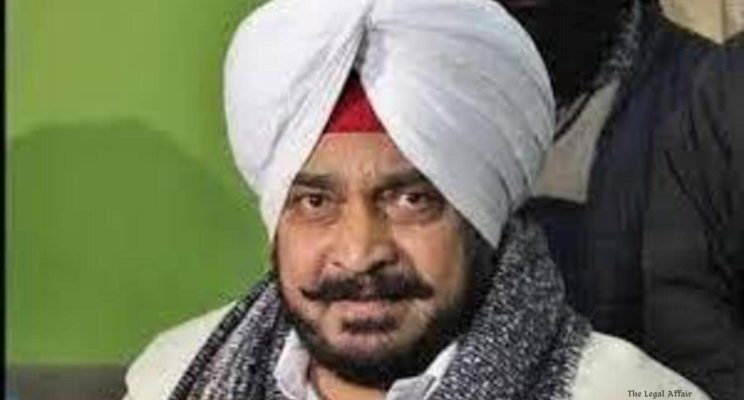
The Punjab and Haryana High Court, in a notable decision, granted interim bail to Punjab’s former Forest Minister, Sadhu Singh Dharamsot, who was arrested by the Enforcement Directorate (ED) in connection with a money laundering case. Justice Vikas Behl presided over the case, which saw parallels drawn to a Supreme Court order granting interim bail to Delhi Chief Minister Arvind Kejriwal for election campaigning. The court recognized Dharamsot’s long-standing political career and his adherence to ED summons as grounds for interim bail, allowing him to campaign for his party in the upcoming Lok Sabha elections.
Arguments:
Senior Advocate APS Deol, representing Sadhu Singh Dharamsot, emphasized his client’s extensive political career, highlighting his five-time tenure as an MLA and his previous position as a Cabinet Minister. Deol argued that Dharamsot has been actively involved in politics since 1992 and is currently campaigning for his party, the Indian National Congress, in the imminent Lok Sabha elections. The defense asserted that Dharamsot had consistently complied with ED summons, showing no intent to evade investigation.
Deol further referenced the Supreme Court’s decision in Arvind Kejriwal’s case, where the apex court had removed restrictions preventing Kejriwal from participating in political rallies. The argument rested on the premise that imposing such restrictions infringes on fundamental rights, a principle applicable to Dharamsot’s situation. The petitioner’s counsel contended that denying interim bail would unjustly hinder Dharamsot’s political activities and campaign efforts.
Representing the Enforcement Directorate, Deputy Solicitor General of India Jagjot Singh Lalli, along with advocates Lokesh Narang and Manish Verma, opposed the interim bail. They argued that Dharamsot, being implicated in serious charges under the Prevention of Corruption Act and the Indian Penal Code, posed a potential threat to the investigation’s integrity. The ED maintained that the nature of the allegations and the evidence collected warranted Dharamsot’s continued detention to prevent any possible tampering with evidence or influence over witnesses.
The ED also challenged the applicability of the Supreme Court’s decision in Kejriwal’s case to Dharamsot’s circumstances, arguing that the context and specifics differed significantly. They highlighted the ongoing investigation and the need for further scrutiny of Dharamsot’s actions while holding office.
Court’s Judgement:
Justice Vikas Behl, after careful consideration of the arguments presented, granted interim bail to Sadhu Singh Dharamsot. The court acknowledged Dharamsot’s long political career and his compliance with ED summons as factors favoring bail. Justice Behl noted the absence of any evidence suggesting that Dharamsot posed a threat to society or had the capacity to influence the investigation adversely.
The court also drew from the Supreme Court’s ruling in Arvind Kejriwal’s case, asserting that denying Dharamsot the ability to campaign would violate his fundamental rights. The decision emphasized that the conditions for bail must not infringe upon the petitioner’s political participation, especially given the proximity of the Lok Sabha elections.
Justice Behl’s ruling laid out specific conditions for interim bail, including:
1. Furnishing bail bonds of Rs.50,000/- with one surety of like amount.
2. Refraining from commenting on the case.
3. Not influencing any witnesses.
4. Not leaving the country.
The court directed Dharamsot to surrender on June 6, 2024, at 12:00 PM. The case is scheduled for further consideration on July 1, 2024.