


Introduction:
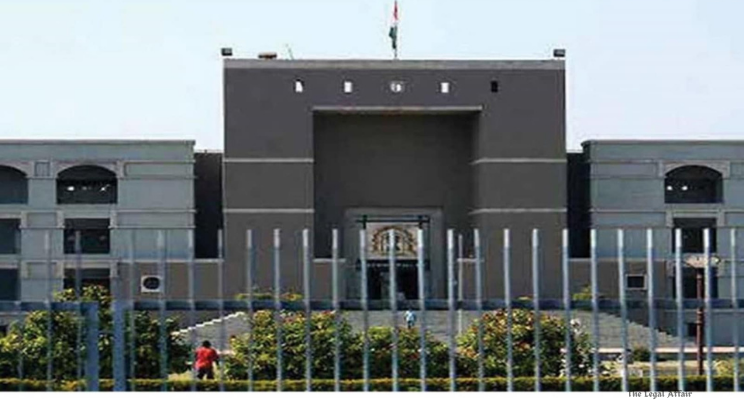
In a significant case raising constitutional and human rights concerns, the Gujarat High Court heard the plea of a woman CRPF officer challenging the denial of her promotion solely on the ground that she is HIV-positive. The division bench of Chief Justice Sunita Agarwal and Justice Pranav Trivedi questioned the logic behind such discrimination, especially in a ministerial post where physical fitness requirements are less stringent.
Arguments:
The petitioner, a CRPF officer, had been repeatedly denied promotion despite fulfilling all other eligibility criteria, based on the medical board’s report dated February 3, 2024, which classified her as suffering from an advanced stage of HIV-AIDS. Her counsel contended that the refusal to promote her was a blatant violation of the HIV and AIDS (Prevention and Control) Act, 2017, which prohibits discrimination against persons living with HIV. He also argued that the denial of promotion contradicted the National HIV Counselling and Testing Guidelines 2024 and violated Articles 14, 16, and 21 of the Indian Constitution. The petitioner further challenged the validity of Standing Order No. 4/2008 and Rule 5 of the CRPF Assistant Commandant (Ministerial) Recruitment Rules, 2011, arguing that these provisions were being misused to discriminate against officers solely based on their health condition. The respondents, including the Union of India, defended their stance by citing recruitment rules which mandate that candidates must meet a medical grading criterion called “Shape One” for promotion. The government counsel argued that the rules had been uniformly applied in all cases and that health conditions were a relevant consideration in evaluating fitness for higher responsibilities. However, the court strongly objected to this reasoning, stating that unless the authorities could prove that the petitioner was physically incapacitated from performing her duties, she could not be denied promotion merely due to her health status.
Judgement:
The judges emphasised that HIV is an ailment like any other chronic illness and questioned whether employees with conditions such as diabetes or heart disease were also being denied promotions. The bench remarked that such a policy was an arbitrary and discriminatory classification that had no rational basis, especially in a ministerial post that does not require rigorous physical fitness. The court further noted that in previous instances, the petitioner had been promoted despite her medical condition and asked why she was now being denied further advancement. The judges directed the respondents to justify the medical grading system for promotions and explain why it was necessary for ministerial roles. If the government failed to provide a rational explanation, the court warned that it would strike down the discriminatory provisions as unconstitutional. The matter has been posted for further hearing on March 6, 2025, with the Additional Solicitor General required to appear and defend the validity of the recruitment rules. The court also ruled that any promotions made in the interim would be subject to its final decision. The case highlights a crucial intersection of constitutional rights, employment law, and health-related discrimination. It raises the broader issue of how workplaces, particularly in government institutions, accommodate employees with medical conditions and whether outdated policies can override fundamental rights. If the petition succeeds, it could set a precedent for ensuring that HIV-positive individuals are not unfairly excluded from professional advancement.