


Introduction:
In a significant development, the Gujarat High Court has granted a 10-day parole to Jabir Binyamin Behra, one of the convicts in the 2002 Godhra train burning case. Behra, initially sentenced to death in 2011, had his sentence commuted to life imprisonment by the Gujarat High Court in 2017. The parole was granted to allow him to attend the funeral rites of his brother-in-law. This decision comes amidst ongoing appeals in the Supreme Court concerning the convictions and sentences related to the case.
Background:
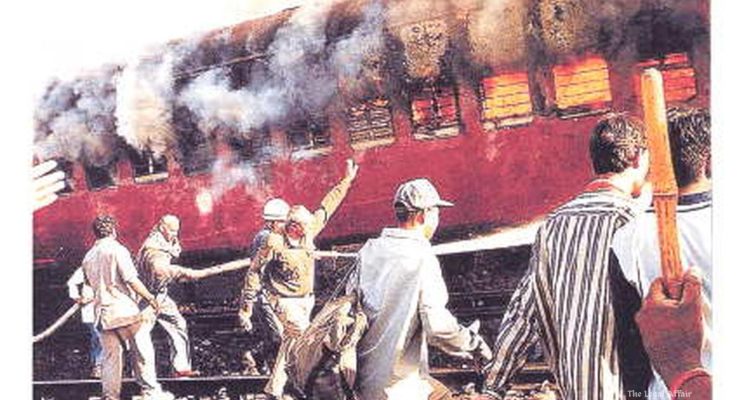
The Godhra train burning incident on February 27, 2002, resulted in the death of 59 passengers aboard the Sabarmati Express, leading to widespread communal riots in Gujarat. In 2011, a special court convicted 31 individuals, sentencing 11 to death and 20 to life imprisonment. Behra was among those sentenced to death. However, in 2017, the Gujarat High Court commuted the death sentences of the 11 convicts, including Behra, to life imprisonment, while upholding the life sentences of the other 20 convicts.
Arguments:
Behra’s counsel argued for a 30-day parole on humanitarian grounds, citing the death of his brother-in-law. The prosecution opposed the application, presenting Behra’s jail record. After considering the arguments and the fact that Behra had served over 20 years in prison, the High Court partially allowed the application, granting a 10-day parole. The court stipulated that Behra must execute a personal bond of Rs. 5,000 with a surety of the same amount and surrender to the jail authorities upon completion of the parole period.
Judgment:
Justice Vimal K. Vyas, while granting the parole, emphasized the importance of balancing the convict’s rights with societal interests. The court acknowledged the gravity of the original offense but also recognized the convict’s long incarceration and the humanitarian grounds presented. The parole was granted with strict conditions to ensure that Behra’s temporary release does not adversely affect public interest or the ongoing legal proceedings.
Conclusion:
The Gujarat High Court’s decision to grant parole to a convict in the Godhra train burning case underscores the judiciary’s commitment to upholding humanitarian considerations while ensuring justice. As the Supreme Court continues to hear appeals related to the case, this development highlights the complexities involved in balancing individual rights with the gravity of past offenses.