


Introduction:
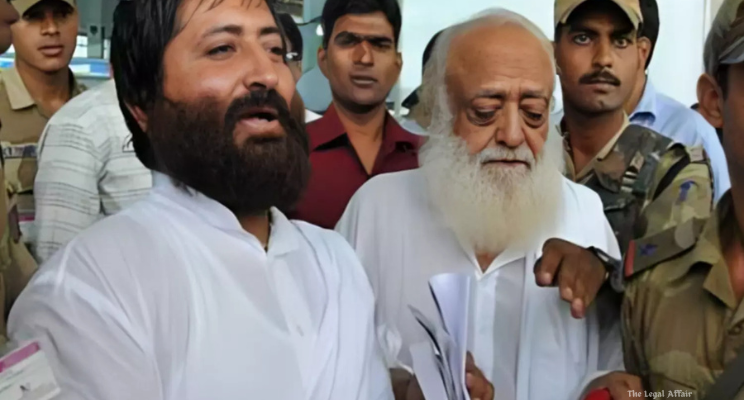
In a compassionate decision, the Gujarat High Court, with a division bench of Justice Ilesh J. Vora and Justice P. M. Raval, granted five days’ temporary bail to Narayan Sai—convicted and serving a life sentence in a rape case—to personally meet his father, Asaram Bapu, also convicted and serving life in another rape case. The bench took note of Asaram’s serious and critical medical condition, the unique father-son bond ruptured by separate incarcerations since 2013, and the clean conduct of Narayan Sai during his prior bail. The relief was granted expressly on humanitarian grounds, with strict conditions including police surveillance, a prohibition on public gatherings, and a cap on bail duration. The court clarified that this order does not prejudice the final merits of Sai’s broader bail-on-medical-grounds plea, scheduled for a hearing on July 11, 2025.
Arguments of the Petitioner (Narayan Sai):
Sai, represented by Senior Advocate Rajen Jadhav, argued that:
- He has been detained since December 2013, incarcerated for over 11 years on life imprisonment for multiple heinous offences, and has never met his father in this period.
- Asaram, his 86-year-old father, is critically ill, having undergone medical treatment and currently on temporary bail himself. Their separation has lasted over a decade, robbing them of any personal interaction.
- Sai proposed 15 days of temporary bail, offering to bear all travel and escort expenses, including costs and wages for a police team, emphasizing that prior bail had occurred without any untoward incidents.
- Sai further pledged to adhere strictly to any conditions the court saw fit, including police escort and non-use of public transport, to ensure law and order is not impacted.
- He emphasized that a brief, supervised visit does not compromise security but enables humane family contact.
Arguments of the Respondent (State of Gujarat):
Represented by Additional Advocate General Rahul Dev, the State strongly opposed Sai’s request, citing:
- Sai’s serious convictions involve rape (including aggravated and repeat offences), assault, unnatural offences, and intimidation. He is a high-risk inmate currently held in a high-security cell.
- Historical misconduct while in custody, including document forgery, incitement of inmates, hunger strikes, and illicit mobile phone possession—meriting a ₹1 lakh cost for forgery—highlight pattern of abusing judicial process.
- Granting bail poses a significant risk of law-and-order disturbance, especially if Sai meets followers or uses the meeting for influence.
- They suggested alternative, safer means such as in-prison meeting at Surat, or a video conference, without granting physical leave.
- The court had previously denied furlough, citing potential public safety risks, reinforcing that bail is not warranted without strict scrutiny.
Court’s Analysis & Judgment:
The Gujarat High Court carefully weighed the arguments, focusing on two primary concerns:
Humanitarian Dimension vs Security Concerns:
- The Court recognized the exceptional personal circumstances: Sai’s extended detention since 2013 and Asaram’s critical medical condition with no personal communication since arrest.
- Given zero negative incidents during Sai’s earlier, supervised release, the bench acknowledged a minimal security risk, particularly under police escort.
Conditions to Safeguard Public Interest:
To prevent potential misuse, the court imposed clear restrictions:
- Only five days’ bail, measured precisely from release to return.
- Strict police escort, with Sai funding the costs.
- Absolute prohibition on group meetings with followers or public gatherings.
- No public statements or group interactions, ensuring a controlled, private encounter.
Observing Court’s discretion under Section 437 of the Criminal Procedure Code, the bench exercised compassionate jurisprudence to balance humanitarian need with public safety. It emphasized that this order is temporary and non-prejudicial to Sai’s broader appeal on medical grounds.
Final Order:
The bench granted temporary bail for five days, under police surveillance. Sai is barred from group meetings, must fund the escort, and strictly comply with all directions. The Court clarified it has not considered merits of Sai’s overall bail plea; the final hearing remains set for July 11, 2025.
Broader Implications:
- This ruling underscores the judiciary’s ability to balance welfare and security even for serious offenders.
- Sai’s case illustrates how repeated good conduct, prior bail without incident, and a compelling humanitarian plea can influence bail decisions.
- The strict conditions reaffirm the Court’s intent to maintain public confidence and law-and-order stability.
- It sends a message for similar cases: compassionate relief may be granted even to convicted persons, if carefully regulated.