


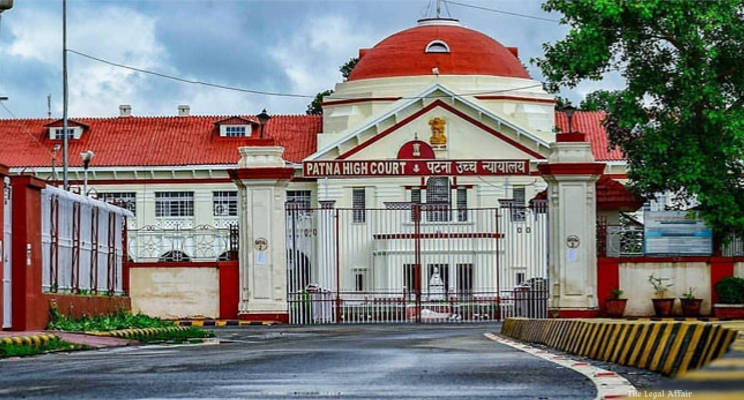
Introduction:
In the case of M/S R.S Construction vs The Bihar Police Building Construction Corporation, the Patna High Court, comprising Acting Chief Justice Ashutosh Kumar and Justice Partha Sarthy, delivered a decisive ruling concerning the integrity of public procurement processes. The matter arose when the petitioner-firm, M/S R.S Construction, was blacklisted for submitting a forged experience certificate in a public tender initiated by the Bihar Police Building Construction Corporation (BPBCC) for construction and electrification works in the Gaya district. Initially, the registration of the petitioner-firm was blacklisted indefinitely by the Chief Engineer-cum-Registering Authority. This was later modified to a five-year blacklisting through a corrigendum and subsequently reduced to three years by the Appellate Authority. Importantly, the blacklisting was made operative for all other government departments.
Arguments:
The petitioner challenged this decision, contending that the Chief Engineer lacked jurisdiction to blacklist the firm as its registration had expired before the issuance of the show-cause notice, and further argued that absence of effective service of notice violated principles of natural justice. The petitioner also highlighted that the blacklisting extended beyond the registration period and that the action was taken despite the criminal investigation regarding the forged certificate still being pending. Conversely, the respondents argued that submission of a forged certificate seriously undermined public trust and warranted firm punitive action, especially when the petitioner had affirmed the authenticity of all submitted documents through an affidavit. During verification, the experience certificate purportedly issued by the Jharkhand State Tribal Cooperative Vegetable Marketing Federation (VEGFED) was found to be forged, leading to an FIR under IPC Sections 467, 468, 471, 420, 120B, and 511.
Judgement:
The High Court, in its judgment, emphasised that the act of submitting forged documents in public tenders is a grave offence that jeopardises the sanctity of the tendering process. It held that even if the registration had lapsed, the misconduct committed by the petitioner could not be overlooked, particularly when the petitioner had opportunities to defend itself at the appellate stage. The Court observed that the notice had been sent to the last known address provided by the petitioner, which turned out to be incorrect, and stressed that the petitioner could not evade consequences on technical grounds. The High Court unequivocally upheld the Appellate Authority’s decision to blacklist the petitioner-firm for three years and extended the effect to all government departments, recognizing the duty of the Corporation to warn other governmental entities about individuals or firms indulging in such deceit. It underlined that submission of forged documents, even if criminal proceedings are pending, is itself a serious violation of public trust. The writ petition was ultimately dismissed, reinforcing the message that falsification in public dealings will not be condoned.