


Introduction:
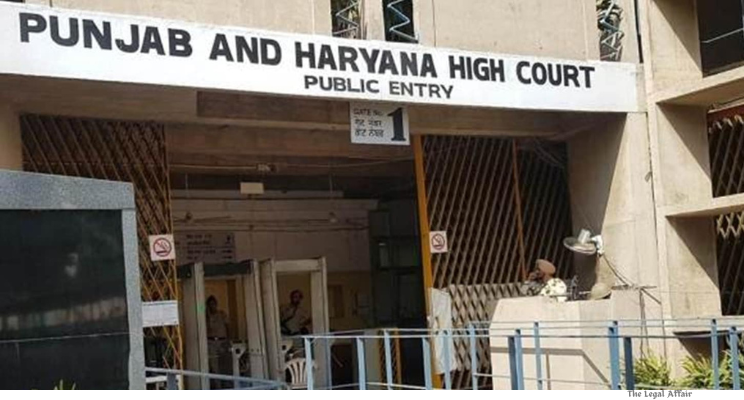
In the matter of Satyaveer Singh v. State of Haryana and Others, the Punjab & Haryana High Court, presided over by Justice Jagmohan Bansal, examined the legality and proportionality of a disciplinary punishment imposed upon a police constable, Satyaveer Singh. The case stemmed from a departmental inquiry that found Singh guilty of remaining absent from duty for just over 24 hours in 2015. Initially dismissed from service, Singh’s punishment was later reduced to forfeiture of ten annual increments with cumulative effect. Aggrieved by the quantum and manner of punishment, Singh approached the High Court for relief. The High Court’s intervention came after ten years had elapsed since the original disciplinary action, and the Court was compelled to adjudicate on the substantive fairness of the punishment without remanding the case to the disciplinary authority to avoid unnecessary prolongation of litigation.
Arguments of Both Sides:
The petitioner, represented by Advocates Mr. Vipin Yadav and Mr. J.S. Johal, contended that the punishment of forfeiting ten annual increments for a one-day absence was manifestly arbitrary and grossly disproportionate to the alleged misconduct. They pointed out that there were no aggravating circumstances, such as the petitioner being stationed in a sensitive or riot-prone area at the time of absence, which could justify such a severe penalty. Furthermore, they argued that the order passed by the Director General of Police dismissing the revision was mechanical and failed to engage with the merits or proportionality of the matter. On the other hand, the State of Haryana, represented by Additional Advocate General Ms. Rajni Gupta, defended the disciplinary action, asserting that the departmental process had been followed and that the authorities were well within their discretion to impose penalties as deemed fit under the Punjab Police Rules, 1934.
Judgement:
However, Justice Bansal, upon examining Rule 16.2 of the Punjab Police Rules and relevant judicial precedents, emphasized the necessity for the punishment to be commensurate with the nature of the misconduct. The Court found that neither the original punishment of dismissal nor the reduced punishment of forfeiting ten increments satisfied the test of proportionality, especially in the absence of aggravating factors. The judge also took judicial notice of a pattern wherein authorities in Haryana had mechanically issued penalties without individualized assessments. Highlighting that the Director General of Police dismissed the revision plea merely on the grounds of delay, despite there being less than a four-month gap between the appellate and revision orders, the Court deemed the rejection process flawed and perfunctory. As a result, Justice Bansal refused to remand the matter due to the passage of a decade and the likelihood of further litigation. Instead, to “cut short the litigation” and in the interest of justice, the Court reduced the punishment to forfeiture of one increment with cumulative effect and disposed of the plea accordingly.