


Introduction:
In the recent judgment of the Delhi High Court in Cholpon Bisht v. State Govt of NCT of Delhi, the petitioner, a Kyrgyzstan national, approached the Court seeking bail in an FIR registered under Sections 20, 25, and 29 of the Narcotic Drugs and Psychotropic Substances Act, 1985. The FIR had been lodged in November 2024 and alleged the petitioner’s involvement in a conspiracy related to cannabis possession and the use of premises for drug-related activities.
Arguments:
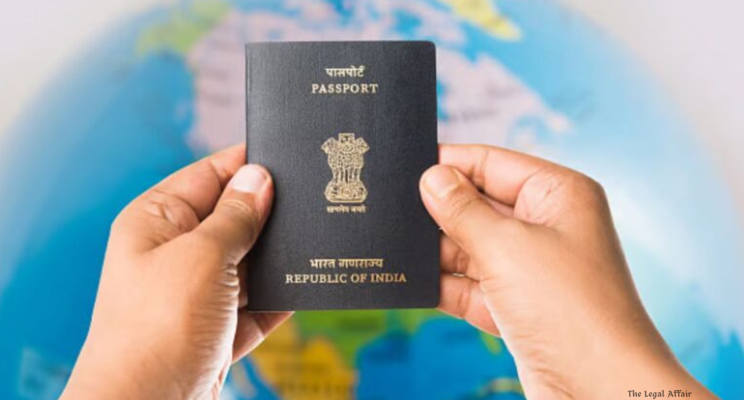
The petitioner was represented by a team of advocates led by Mr. Aditya Aggarwal, who argued that her continuous incarceration without trial violated her fundamental rights and that the case against her was not backed by any credible or recoverable material suggesting direct involvement. Furthermore, it was stressed that merely being a foreign national cannot serve as a legitimate ground for denying bail, particularly when the accused’s passport had already been seized, thereby eliminating the risk of absconding. The petitioner’s counsel emphasized that the prosecution had not established any specific role played by the petitioner in the recovery or possession of contraband and that the case was still in its nascent stages with no concrete evidence to oppose bail, citing that the delay in trial proceedings would cause unwarranted hardship. On the other hand, Mr. Satish Kumar, Additional Public Prosecutor for the State, opposed the bail application citing the petitioner’s status as a foreign national as a major concern, arguing that she posed a flight risk and that the NDPS Act placed restrictions on the grant of bail due to the severity of offences under it. He maintained that the seriousness of the charges should dissuade the Court from exercising discretion in favor of the petitioner and that her presence in India was questionable, further deepening the apprehension of misuse of bail.
Judgement:
The Court, presided over by Justice Shalinder Kaur, took a balanced view of the situation, acknowledging the prosecution’s concerns but firmly reiterating the principle that nationality cannot be a standalone reason for denying bail. Relying on settled jurisprudence and the constitutional right to personal liberty, the Court highlighted that the seizure of the petitioner’s passport effectively addressed the concern of absconding. Moreover, the Court noted that the trial had barely begun and detaining the accused any further would serve no meaningful purpose, especially given the lack of any prior criminal record and no substantial recovery of contraband directly from the petitioner. The Court also underscored that bail conditions could be imposed to ensure the petitioner’s cooperation with the trial proceedings and held that prolonged incarceration without trial would amount to a miscarriage of justice. Consequently, the Court granted regular bail to the petitioner on furnishing a personal bond of Rs. 30,000 along with two sureties of the like amount, and directed her to regularly attend the trial and not leave the country without prior permission from the Court. In sum, the Court delivered a significant ruling that reinforces the legal principle that fundamental rights are not to be diluted based on nationality and that pre-trial incarceration must always pass the test of necessity and proportionality, even in cases under the NDPS Act.