


Introduction:
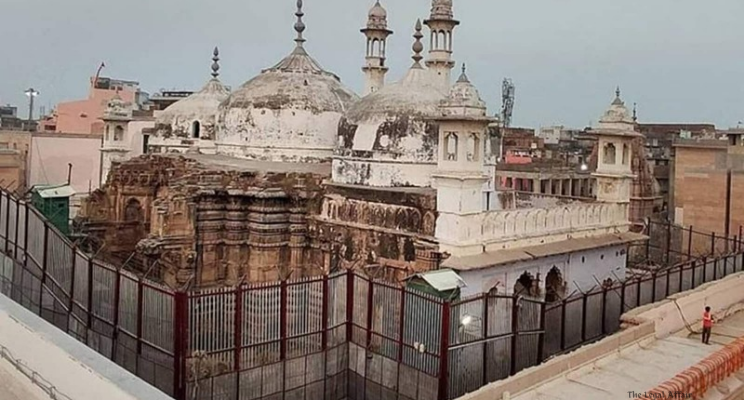
In the ongoing Supreme Court proceedings regarding the constitutional validity of the Places of Worship Act, 1991, the Managing Committee of the Gyanvapi Mosque has filed an intervention, emphasizing the drastic consequences that could arise from the relief sought by the petitioners. The primary petition, filed by Ashwini Kumar Upadhyay in 2020, challenges the Act’s provisions that maintain the religious status quo of places of worship as of August 15, 1947, and bar legal proceedings seeking their conversion. Multiple similar petitions and over 20 suits in district courts, including in Varanasi, contest the protection offered to mosques under the Act, including the Gyanvapi Mosque. Advocate Fuzail Ahmad Ayyubi, representing the Mosque Committee, argues that a misinterpretation of the Act undermines its intent to preserve secularism and avoid communal disharmony. The intervention also refers to the principle of non-retrogression, as upheld in the Ram Janmabhumi Temple case, to assert that altering the Act would harm India’s constitutional commitment to secularism.
Arguments by the Petitioners:
The petitioners argue that the Places of Worship Act, 1991, violates constitutional principles by freezing the religious character of places of worship as of 1947. They contend that the Act infringes upon their fundamental right to religious freedom under Article 25 of the Constitution and the right to equality under Article 14 by creating arbitrary distinctions. The petitioners assert that the Act prevents legitimate claims regarding the historical and cultural importance of certain places of worship, particularly where evidence suggests the destruction or alteration of religious sites in the past. They argue that the prohibition under Sections 3 and 4 of the Act unjustly curtails their right to seek legal remedies, which is integral to ensuring justice and uncovering historical truths. According to the petitioners, the Act contradicts the right to access the judiciary, as guaranteed under Article 32 of the Constitution. The petitioners further contend that the legislative intent behind the Act disregards the sentiments of the majority community and that the Act’s provisions act as a blanket prohibition, preempting legitimate and fair adjudication of disputes.
The petitioners also highlight the public interest in preserving historical and cultural heritage and assert that the judiciary should be empowered to examine and resolve such disputes based on evidence and facts rather than being constrained by legislative mandates. They seek a declaration that the Act is unconstitutional, arguing that its provisions are overly restrictive and fail to balance the rights and interests of all communities.
Arguments by the Gyanvapi Mosque Committee:
In response, the Gyanvapi Mosque Committee emphasizes the necessity of the Places of Worship Act, 1991, as a legislative instrument designed to uphold secularism, one of the basic features of the Indian Constitution. The Committee argues that the Act’s provisions are crucial for maintaining communal harmony and preventing the rise of disputes based on historical grievances. Referring to the doctrine of non-retrogression, as upheld by the Supreme Court in the Ram Janmabhumi Temple case, the Committee contends that the Act reflects India’s constitutional commitment to equality and secularism.
The Committee highlights that the Act imposes a “non-derogable obligation” on the State to ensure the continuity of the religious character of places of worship as they stood on August 15, 1947. This principle, the Committee asserts, prevents the reopening of historical disputes that could lead to widespread communal unrest. Citing the recent violence following survey orders at Sambhal Jama Masjid, the Committee warns that invalidating the Act would result in a surge of disputes across the country, undermining the rule of law and exacerbating social tensions.
The Committee also raises procedural concerns, pointing out that several district courts have granted ex parte orders for surveys of mosques, including the Gyanvapi Mosque, without properly considering the implications of the Places of Worship Act. It argues that such actions demonstrate a fundamental misunderstanding of the Act and its objectives.
Court’s Observations and Judgment:
The Supreme Court, while yet to pronounce its final judgment, has acknowledged the complexity of the issue and the significant constitutional questions involved. The Court has noted that the Places of Worship Act, 1991, was enacted with the clear objective of preserving secularism and ensuring communal harmony. The bench has emphasized the importance of the doctrine of non-retrogression, which underscores the State’s obligation to safeguard constitutional values and prevent regression in the protection of fundamental rights and secular principles.
The Court has observed that the Act strikes a delicate balance between historical justice and the need for communal peace in a diverse and pluralistic society. While the petitioners argue for the right to seek legal remedies and reclaim historical sites, the Court has expressed concerns about the potential consequences of reopening disputes settled by the Act. The bench has also taken note of the Committee’s warnings about the risks of communal disharmony and the misuse of judicial processes to undermine the Act’s objectives.
In its interim observations, the Court has reiterated that the Places of Worship Act, 1991, is a vital legislative measure aimed at preventing the politicization of historical and religious grievances. It has called for a detailed examination of the constitutional issues raised by the petitioners while considering the broader implications for India’s social fabric and secular ethos. The case remains sub judice, with the Court expected to deliver a nuanced judgment addressing the competing claims and constitutional principles at stake.