


Introduction:
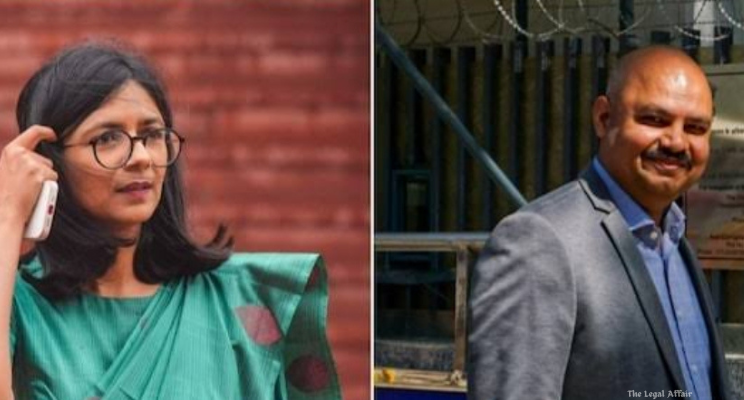
In the ongoing legal proceedings concerning the alleged assault on Aam Aadmi Party (AAP) Member of Parliament Swati Maliwal, a significant procedural dispute has arisen. The Delhi Police has moved the Delhi High Court, challenging a trial court’s directive to supply a list of unrelied documents to the accused, Bibhav Kumar, a close aide of former Delhi Chief Minister Arvind Kejriwal. This legal contention underscores the complexities involved in ensuring a fair trial while balancing the rights of the accused and the procedural prerogatives of the prosecution.
Background of the Case:
The case dates back to May 13, 2024, when Swati Maliwal alleged that she was assaulted by Bibhav Kumar. Following the allegations, Kumar was arrested but subsequently released on bail by the Supreme Court in September 2024, considering the completion of the investigation and the substantial number of prosecution witnesses.
Procedural Developments:
During the pre-trial proceedings, Kumar filed applications requesting access to documents and materials collected during the investigation but not relied upon by the prosecution in framing the charges. On October 22, 2024, the Magistrate Court directed the Delhi Police to provide a list of these unrelied documents to the accused.
The prosecution challenged this order, but on January 29, 2025, the Sessions Court dismissed their application, upholding the Magistrate’s directive.
Delhi Police’s Arguments:
The Delhi Police, represented by Standing Counsel Sanjay Lao, has approached the Delhi High Court to contest the lower courts’ orders. The primary arguments presented by the prosecution include:
- Pending Supreme Court Decision: The prosecution contends that the issue of providing a list of unrelied documents to the accused is currently under consideration by a three-judge bench of the Supreme Court in a separate case. They argue that subordinate courts should await the Supreme Court’s decision to ensure uniformity in legal procedures.
- Legal Ambiguity: The prosecution submits that the legal position regarding the supply of unrelied documents is not settled, with precedents supporting both sides of the argument. They assert that providing such a list should be contingent upon the Supreme Court’s forthcoming clarification.
- Distinction from CBI Procedures: The prosecution differentiates their procedures from those of the Central Bureau of Investigation (CBI), noting that previous judgments mandating the supply of unrelied documents pertain primarily to cases involving the CBI and its manual, which may not apply to the Delhi Police.
Defense’s Arguments:
On the other hand, the defense, representing Bibhav Kumar, maintains that:
- Right to Fair Trial: Access to all materials collected during the investigation, including those not relied upon by the prosecution, is essential for preparing an effective defense and ensuring a fair trial.
- Compliance with Judicial Orders: The defense emphasizes that both the Magistrate and Sessions Courts have directed the prosecution to provide the list of unrelied documents, and non-compliance would undermine the judicial process.
- Precedents Supporting Disclosure: The defense references legal precedents where courts have mandated the disclosure of unrelied documents to the accused, arguing that such practices promote transparency and uphold the principles of natural justice.
Court’s Observations:
During the hearing on March 4, 2025, Justice Vikas Mahajan of the Delhi High Court made several pertinent observations:
- Prevailing Legal Position: The judge noted that while the Supreme Court’s decision on the matter is pending, the courts must adhere to the existing legal framework. He remarked that delays in the Supreme Court’s ruling should not stall ongoing proceedings, and the current laws should guide judicial decisions.
- Applicability of CrPC: Justice Mahajan highlighted that the procedures of both the CBI and Delhi Police are governed by the Code of Criminal Procedure (CrPC). Therefore, distinctions based on different organizational manuals may not hold substantial legal weight.
- Request for Detailed Submissions: The court directed the Delhi Police to file a concise note of their submissions, indicating the need for a thorough examination of the legal issues involved. The next hearing is scheduled for March 11, 2025.
Legal Precedents and Implications:
The crux of the dispute revolves around the accused’s right to access all materials gathered during the investigation, irrespective of their reliance by the prosecution. This issue has been a subject of judicial scrutiny in various cases:
- CBI vs. R.S. Pai (2002): The Supreme Court held that the prosecution is obligated to furnish all documents to the accused, even those not relied upon, to uphold the principles of a fair trial.
- Manoj Kumar Sharma vs. State of Chhattisgarh (2016): The Court reiterated that non-supply of unrelied documents could prejudice the defense, emphasizing the necessity of transparency in criminal proceedings.
The outcome of this legal contention in the Delhi High Court could set a significant precedent for future cases, particularly concerning the procedural rights of the accused and the obligations of the prosecution.