


Introduction:
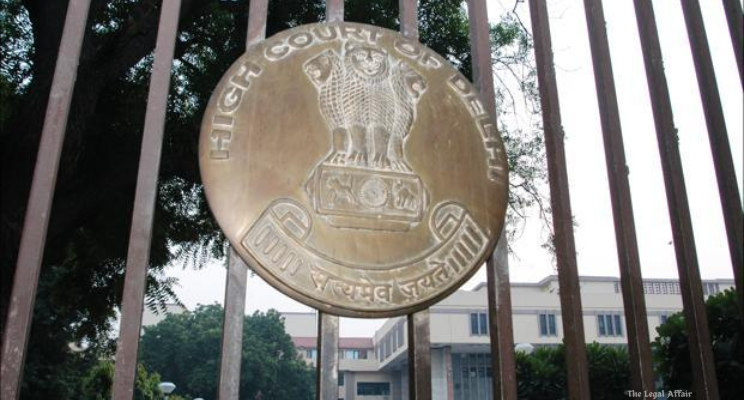
The Delhi High Court, through a Division Bench comprising Justices Navin Chawla and Shalinder Kaur, set aside the removal of two CISF constables, Vikesh Kumar Singh and Arunchalam P., citing the disproportionate nature of the punishment compared to that of an ITBP officer involved in the same incident. The court clarified that under the doctrine of equality, forces operating under the same administrative framework must receive similar treatment. The case arose from an unauthorized entry during Republic Day celebrations at the Indian High Commission in Dhaka, leading to allegations of negligence and misconduct against the petitioners.
Arguments of Both Sides:
The petitioners, represented by Mr P. Sureshan, argued that their removal was excessive, especially since the ITBP officer Mahesh Makhwana, who had a more significant role in the incident, was only reprimanded. They emphasized their limited responsibilities while on Morcha duty, arguing that the punishment constituted discriminatory treatment. They further contended that being sent back from Dhaka and later removed from service amounted to double punishment, violating the principle of equality in disciplinary actions. Conversely, Mr. Sanjay Kumar Pathak, representing the CISF, justified the removal, asserting that the sensitive mission required vigilance and responsibility. He argued that the constables’ negligence warranted stringent punishment, distinguishing the rules and expectations of CISF personnel from those of ITBP officers.
Court’s Judgment:
The court scrutinized the allegations and concluded that the disparity in punishments was unjustified. It observed that both CISF and ITBP staff were part of the same incident, and yet the ITBP officer, despite having a more pivotal role, faced a far lighter penalty. The court highlighted that disciplinary actions must align with the gravity of the misconduct, invoking precedents like Rajendra Yadav v. State of Madhya Pradesh to emphasize proportionality in punishment. The argument that CISF and ITBP personnel cannot be compared due to differing rules was rejected. The court reasoned that both forces fall under the Ministry of Home Affairs and operate within a similar administrative framework, necessitating parity in disciplinary actions.
Moreover, the court questioned the CISF’s decision to initiate its inquiry and impose severe penalties, despite the High Commission in Dhaka not recommending any action. It clarified that while the CISF had the authority to conduct a disciplinary inquiry, the penalties imposed must be reasonable and proportional. The court ultimately ordered the reinstatement of the petitioners, setting aside their removal from service. However, it denied any back wages or benefits, emphasizing that the relief granted was limited to addressing the disproportionate punishment. This decision underscores the importance of fairness and equality in disciplinary proceedings across forces operating under the same administrative structure.