


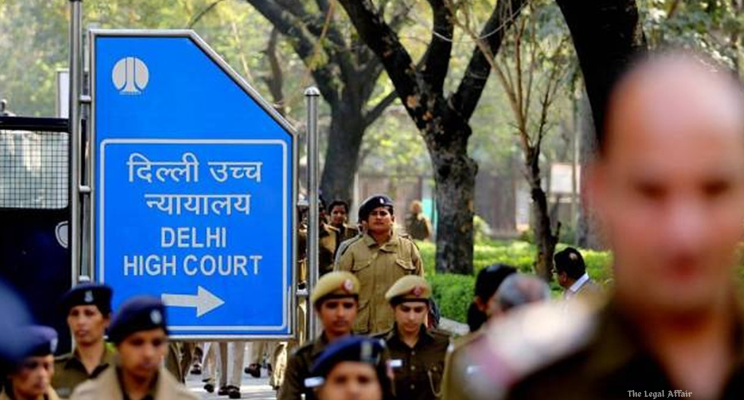
Introduction:
The Delhi High Court, in the case of RESHMA v. THE COMMISSIONER OF POLICE, addressed concerns raised by a purdahnashin Muslim woman who alleged mistreatment during a police search. The court emphasized the principles of impartiality, fairness, and reasonability in policing, noting that law enforcement must prioritize the common good while respecting cultural and religious practices. The petitioner sought sensitization of the Delhi Police regarding the religious and social customs of purdahnashin women.
Arguments of Both Sides:
The petitioner contended that she was forcibly taken without her veil and illegally detained, alleging inhuman treatment. She urged sensitization of the police to the religious practices of women observing Purdah. The court, while recognizing the need to respect cultural sensitivities, emphasized that identification is essential for justice and security. It rejected the concept of anonymity during investigations, stating it could hinder the process and open the door to abuse.
Court’s Judgment:
The Delhi High Court, in disposing of the plea, clarified that covering the head does not equate to being pardanashin, and wearing a veil is not an essential religious practice pending the Supreme Court’s decision. The court highlighted that Hindu and Sikh women do not have mandatory provisions for veiling. It commended the petitioner’s counsel for raising crucial issues and appreciated the amicus curiae for shedding light on relevant aspects. The court stressed the authority of law enforcement to identify individuals when necessary.