


Introduction:
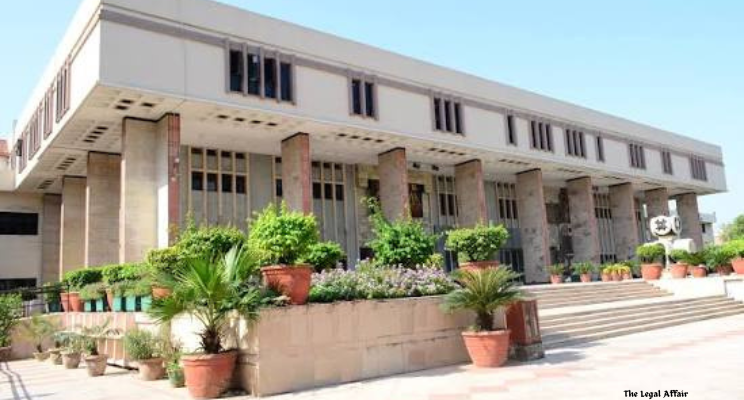
The Delhi High Court has granted interim relief to four advocates by staying their suspension from legal practice as well as the prohibition imposed on their entry into the precincts of the High Court, pending adjudication of their challenge to disciplinary action initiated by the Bar Council of Delhi (BCD). The order was passed by Justice Amit Bansal in Rajiv Khosla v. Bar Council of Delhi & Another and other connected matters. The petitions questioned the legality of the Bar Council’s order dated 26 April 2026, whereby the petitioners, including former Delhi High Court Bar Association (DHCBA) President Rajiv Khosla, were suspended and restrained from entering the High Court premises on allegations of misconduct during the counting of votes for the Bar Council of Delhi elections.
The controversy has its genesis in the 2026 elections to the Bar Council of Delhi, one of the most closely watched elections within the legal fraternity in the National Capital. The elections were conducted over three days, namely 21, 22 and 23 February 2026, for the election of twenty-three members of the Bar Council through the preferential voting system. A total of 221 candidates contested the election, making it one of the largest electoral exercises within the legal profession.
The election process, however, soon became the subject of intense legal scrutiny after allegations of tampering with ballot papers surfaced during the elimination rounds of vote counting. Multiple proceedings were instituted before the Delhi High Court concerning the validity of the counting process and the alleged irregularities. On 6 June 2026, a Division Bench of the High Court declined to order a fresh election, holding that the discovery of certain tampered ballot papers did not by itself invalidate the entire electoral process. Subsequently, the Supreme Court permitted the completion of vote counting but directed that the election results should not be formally notified without its prior permission, thereby ensuring judicial supervision over the remaining stages of the electoral process.
Against this backdrop, disciplinary proceedings were initiated against four advocates, including Rajiv Khosla. According to the Bar Council of Delhi, the advocates had obstructed the Returning Officer, Justice Talwant Singh, along with other officials engaged in the counting process, allegedly preventing them from entering the counting venue and using abusive language. Show-cause notices were thereafter issued proposing disciplinary action for professional misconduct, including suspension of their licence to practise law for a period of three years.
Following the issuance of the disciplinary order dated 26 April 2026, the advocates approached the Delhi High Court challenging the legality of the action taken against them. Their petitions questioned both the factual basis of the allegations and the legality of imposing immediate suspension and restrictions on access to the High Court while the disciplinary proceedings themselves remained under challenge. The matter thus presented issues concerning the exercise of disciplinary powers by professional regulatory bodies, observance of procedural fairness, and the scope of judicial review over interim disciplinary measures affecting the right of advocates to practise their profession.
Arguments of the Parties:
The petitioners challenged the order of the Bar Council of Delhi primarily on the ground that the disciplinary action was arbitrary, disproportionate and violative of the principles of natural justice. They contended that the impugned order not only suspended them from practice but also prevented them from entering the precincts of the Delhi High Court, thereby seriously affecting their professional livelihood, reputation and ability to discharge their duties as advocates.
The petitioners questioned the factual allegations forming the basis of the disciplinary proceedings. According to the Bar Council, the advocates had forcibly prevented the Returning Officer, Justice Talwant Singh, and other officials from entering the vote-counting venue and had allegedly used abusive language during the incident. The petitioners disputed these allegations and maintained that the disciplinary action had been initiated without proper appreciation of the surrounding circumstances and without following a fair and transparent process.
It was further submitted that the issuance of show-cause notices proposing suspension of their licences to practise for a period of three years itself indicated that the allegations were yet to be finally adjudicated. Therefore, imposing severe interim restrictions, including suspension and prohibition from entering the High Court premises, before a final determination of misconduct amounted to punitive action without due process. The petitioners argued that such measures caused immediate and irreparable prejudice to practising advocates whose professional existence depends upon regular access to the courts.
The petitioners also emphasised that the dispute arose in the backdrop of a highly contentious Bar Council election that had already become the subject of multiple judicial proceedings concerning allegations of ballot tampering and irregularities during counting. According to them, the disciplinary proceedings could not be viewed in isolation from the broader controversy surrounding the conduct of the elections.
The Bar Council of Delhi defended its action by relying upon the allegations recorded in the impugned notice. It asserted that the petitioners had engaged in conduct amounting to professional misconduct by obstructing the Returning Officer and officials entrusted with conducting the election process. According to the Bar Council, the petitioners had forcibly prevented the officials from entering the counting venue and had allegedly used abusive language while interfering with the discharge of official duties.
The respondents maintained that advocates are officers of the court and members of a self-regulated profession expected to uphold the highest standards of professional conduct. Any attempt to interfere with the conduct of elections to the Bar Council or to obstruct officials engaged in the electoral process strikes at the integrity of the institution itself. Consequently, disciplinary action was justified to preserve public confidence in the legal profession and ensure orderly conduct of the electoral process.
The Bar Council also relied upon the show-cause notices already issued to the petitioners proposing disciplinary proceedings, including suspension of their licence to practise for three years. It maintained that the disciplinary mechanism provided under the governing statutory framework empowered it to take appropriate action where allegations of professional misconduct warranted regulatory intervention.
Court’s Judgment:
After hearing the parties, Justice Amit Bansal granted interim protection to the petitioners by staying the operation of the Bar Council of Delhi’s order dated 26 April 2026. As a consequence of the interim order, the suspension imposed upon the four advocates, including former Delhi High Court Bar Association President Rajiv Khosla, shall remain inoperative during the pendency of the writ proceedings.
The Court also stayed the consequential direction restraining the petitioners from entering the precincts of the Delhi High Court. This interim protection restores their ability to access the High Court and continue discharging their professional responsibilities pending adjudication of the challenge to the disciplinary action.
Although the High Court has not finally adjudicated upon the merits of the allegations levelled against the petitioners, the grant of interim relief indicates that the Court considered it appropriate to preserve the existing rights of the parties until the legality of the disciplinary proceedings is comprehensively examined. Interim judicial protection in such matters ordinarily seeks to prevent irreversible consequences where immediate enforcement of the impugned action may cause serious prejudice before the dispute itself is finally decided.
The allegations against the petitioners remain serious. According to the Bar Council’s notice, the advocates are accused of obstructing the Returning Officer and election officials, preventing them from entering the counting venue and allegedly using abusive language during the conduct of the Bar Council elections. These allegations continue to remain the subject matter of the disciplinary proceedings, and the High Court has not expressed any final opinion regarding their correctness.
Equally, the petitioners continue to enjoy the presumption that allegations of professional misconduct require adjudication through a fair disciplinary process before any final consequences can be imposed. The High Court’s interim order therefore does not amount to an exoneration of the petitioners but merely suspends the operation of the disciplinary order until the legality of the impugned action is judicially examined.
The case also illustrates the wider judicial oversight presently surrounding the 2026 Bar Council of Delhi elections. The election process has generated substantial litigation at multiple judicial levels following allegations of ballot tampering during the counting process. Earlier, the Delhi High Court had declined to invalidate the entire election merely because certain tampered ballot papers were discovered, holding that such irregularities did not justify directing a fresh poll. Subsequently, the Supreme Court permitted the completion of vote counting while directing that the election results should not be officially notified without its prior approval. The present proceedings concerning the disciplinary action against certain advocates therefore form part of the larger body of litigation arising from the conduct of the Bar Council elections.
The matter has now been listed before the Delhi High Court in October 2026 for further consideration. During the subsequent hearings, the Court is expected to examine the legality of the disciplinary proceedings in greater detail, including whether the Bar Council acted within the scope of its regulatory powers, whether the principles of natural justice were adequately observed, whether the material relied upon justifies the action taken, and whether the impugned order satisfies the requirements of proportionality under administrative law.
The eventual decision may also provide important guidance regarding the extent of disciplinary powers exercisable by State Bar Councils in matters arising out of Bar Council elections and the procedural safeguards that must accompany such disciplinary action. At the same time, it is likely to address the balance between maintaining professional discipline within the legal fraternity and protecting advocates from disproportionate restrictions before allegations of misconduct are conclusively established.
By granting interim relief, the Delhi High Court has maintained the status quo pending final adjudication while ensuring that the petitioners are not deprived of their ability to practise law and access the High Court during the pendency of the proceedings. The final outcome will ultimately depend upon the Court’s examination of the factual allegations, the legality of the disciplinary proceedings and the applicable statutory framework governing professional misconduct by advocates. Until then, the suspension order and the prohibition on entering the High Court shall remain stayed, preserving the petitioners’ professional rights subject to the final decision of the Court.