


Introduction:
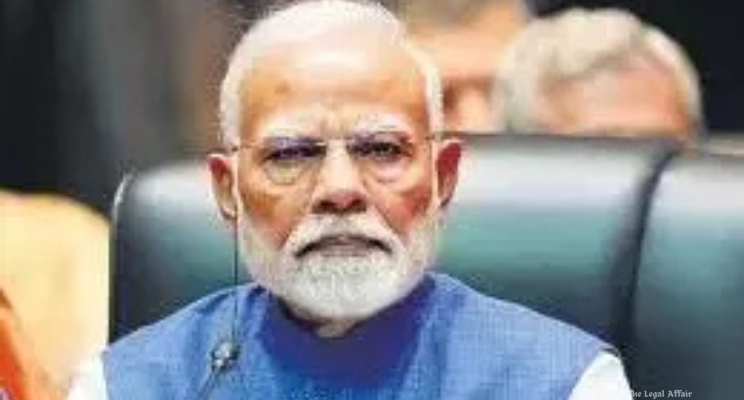
In a significant legal proceeding, the Delhi High Court has reserved its judgment on a plea by the University of Delhi (DU) challenging a Central Information Commission (CIC) order. This order directed the disclosure of information regarding Prime Minister Narendra Modi’s Bachelor of Arts degree from 1978. Justice Sachin Datta presided over the hearing, with Solicitor General Tushar Mehta representing DU and Senior Advocate Sanjay Hegde appearing for the RTI applicant, Neeraj Kumar.
University of Delhi’s Position:
Solicitor General Tushar Mehta contended that the CIC’s directive should be set aside, emphasizing that DU holds student information in a fiduciary capacity. He argued that disclosing such information based solely on public curiosity, without a legitimate public interest, could set a concerning precedent. Mehta stated, “Here is a case where a stranger walks into the RTI office of the University and says, out of 10 lakh students, give me the degree of X. The question is whether anyone can walk in and ask for degrees of others?” He further clarified that while DU has no objection to presenting the degree to the court, it opposes making it public without justified reasons. Mehta emphasized, “The University has no objection in showing the record to the court. There is a degree from 1978, Bachelor of Arts.”
RTI Applicant’s Position:
Senior Advocate Sanjay Hegde, representing Neeraj Kumar, argued that the information sought pertains to a public act, as awarding a degree is a formal recognition by a public authority. He asserted that such information is typically available in the public domain and that withholding it contradicts the principles of transparency and accountability. Hegde emphasized that the RTI Act is designed to promote transparency, especially concerning public figures, and that the university’s fiduciary claim does not supersede the public’s right to know.
Court’s Observations and Judgment:
After hearing the arguments, Justice Sachin Datta reserved the judgment, stating, “Arguments heard. Judgment reserved.” The court acknowledged the sensitivity of the matter, balancing the individual’s right to privacy with the public’s right to information, especially concerning elected officials. The judgment is expected to address the applicability of the RTI Act in cases involving personal information of public figures and the extent to which educational qualifications of such individuals should be accessible to the public.