


Introduction:
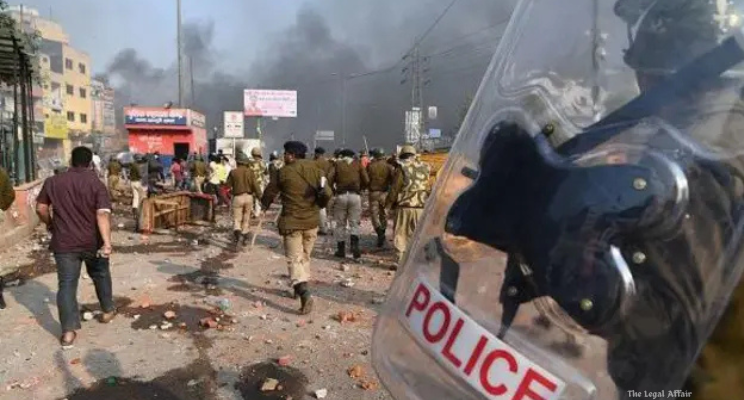
On May 27, 2025, the Delhi High Court convened to hear the bail plea of Gulfisha Fatima, an accused in the larger conspiracy case related to the 2020 Delhi riots. Fatima, a student activist, has been incarcerated for over five years under the Unlawful Activities (Prevention) Act (UAPA), with her bail plea pending for nearly three years. The division bench, comprising Justice Navin Chawla and Justice Shalinder Kaur, listened to arguments presented by Fatima’s counsel, Advocate Sushil Bajaj, who challenged the credibility of the prosecution’s witnesses and the evidence against her.
Arguments Presented:
Advocate Sushil Bajaj contended that none of the witnesses in the UAPA case against Fatima came forward voluntarily. He argued that these individuals “bought their freedom” by making self-serving statements to the authorities. Specifically, he referred to the statement of a protected witness, codenamed ‘Bravo,’ whose testimony was recorded in June 2020, months after the alleged incidents. Bajaj emphasised that the prosecution’s reliance on such delayed and possibly coerced testimonies undermines the credibility of the case against Fatima.
Addressing the prosecution’s allegations that Fatima encouraged local women to collect red chilli powder, bottles, and sticks for violent purposes, Bajaj pointed out that there was no recovery of any such items from her. He highlighted the absence of medical reports indicating injuries caused by these objects and the lack of photographic or video evidence linking Fatima to any violent acts. Furthermore, Bajaj acknowledged that while Fatima was present at the chakka jam in Jafrabad on February 22, 2020, the protest was peaceful, a fact supported by the testimony of a senior police official.
Bajaj also argued that Fatima had no part in the alleged conspiracy to commit the riots and that her role was less than that of co-accused Devangana Kalita and Natasha Narwal, both of whom are currently out on bail. He asserted that by the same reasoning that granted them bail, Fatima should also be entitled to bail.
Court’s Observations:
The bench, while hearing the arguments, expressed concern over the prolonged duration of the bail hearings in the Delhi riots cases. Justice Chawla remarked on the repetitive nature of the proceedings, indicating the court’s desire for a resolution. The court acknowledged the arguments presented by Bajaj and scheduled the next hearing for July 1, 2025.
Conclusion:
The Delhi High Court’s hearing on Gulfisha Fatima’s bail plea underscores the complexities involved in cases stemming from the 2020 Delhi riots. Fatima’s prolonged incarceration without trial raises significant questions about the application of the UAPA and the rights of individuals accused under such stringent laws. The court’s observations and the arguments presented by Fatima’s counsel highlight the need for a thorough and fair examination of the evidence and testimonies in such cases. As the legal proceedings continue, the upcoming hearing on July 1 will be crucial in determining the course of justice for Fatima and others involved in the case.