


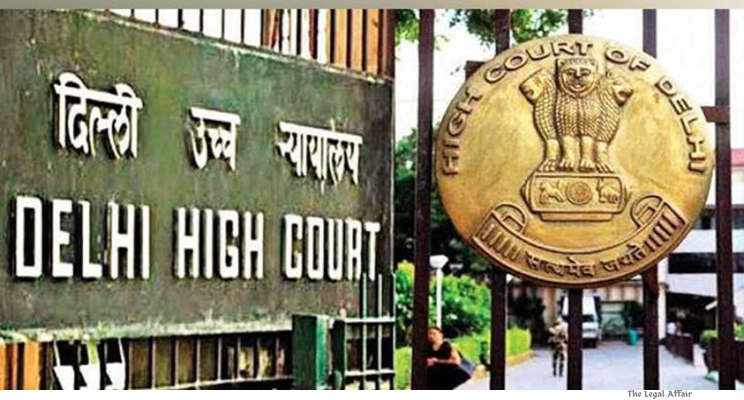
Introduction:
The Delhi High Court, in a plea moved by Vijender Gupta, Leader of Opposition in the Delhi Legislative Assembly, along with six BJP MLAs, questioned the Delhi Government’s delay in forwarding 14 Comptroller and Auditor General (CAG) reports to the Speaker of the Legislative Assembly. Justice Sachin Datta, while hearing the matter, termed the delay as “unfortunate” and cast doubts on the Delhi Government’s bonafides. The petitioners sought a directive for the government to comply with its statutory obligation to table the reports promptly and facilitate discussion in the House. The Court, however, questioned whether it could issue a mandamus to the Speaker, given the proximity of elections, and listed the matter for further hearing on January 16.
Arguments of Both Sides:
The petitioners, represented by Senior Advocate Mahesh Jethmalani, argued that the Delhi Government had failed in its statutory duties by not promptly forwarding the CAG reports to the Lieutenant Governor (LG) and the Speaker. Highlighting important dates and procedural rules, they claimed that the reports, which concern critical issues like finance, pollution, administration, and liquor, were deliberately withheld, preventing meaningful discussions in the Assembly. The petitioners also pointed out a violation of the government’s December 16, 2024, assurance to the Court that the reports would be submitted within two to three days. They sought directions for the government to forward the reports and for the Speaker to convene a special session to discuss them.
On the other hand, the Delhi Government, represented by Senior Advocate Rahul Mehra, contended that the petitioners were using the judiciary for political purposes. Mehra criticized the BJP for holding press conferences about the case, despite it being sub judice, and accused them of attempting to gain political mileage during an election period. He also emphasized the separation of powers, arguing that the Court cannot interfere with the Speaker’s authority to convene a session or direct the Assembly’s functioning. The government maintained that the reports were being processed and would be submitted according to statutory requirements.
Court’s Judgment:
While the Court did not issue a final judgment, it made significant observations during the hearing. Justice Datta criticized the Delhi Government’s delay in tabling the CAG reports, stating that such actions raise questions about its intent. The Court remarked that the government should have acted promptly by forwarding the reports to the Speaker and initiating discussions in the Assembly. It acknowledged the petitioners’ concerns regarding compliance with statutory obligations but also recognized the Speaker’s discretion in calling Assembly sessions.
The Court questioned whether it could compel the Speaker to convene a session, especially given the impending elections. It noted that such an intervention might infringe upon the legislative domain, which is outside judicial purview. However, the Court underscored the importance of timely submission of CAG reports to ensure transparency and accountability in governance.
In response to allegations of political motives, the Court stated that it would not delve into political disputes but stressed the need for all parties to respect the judicial process. The matter was adjourned for further hearing on January 16, allowing the Delhi Government time to respond to the petitioners’ allegations and clarify its position on the delayed submission of the CAG reports.
Conclusion:
The Delhi High Court’s scrutiny of the Delhi Government’s delay in tabling the CAG reports underscores the importance of accountability and transparency in governance. While emphasizing the statutory obligations of the government, the Court also highlighted the delicate balance between judicial intervention and legislative autonomy. The observations serve as a reminder of the critical role CAG reports play in ensuring informed discussions and decision-making in legislative assemblies.