


Introduction:
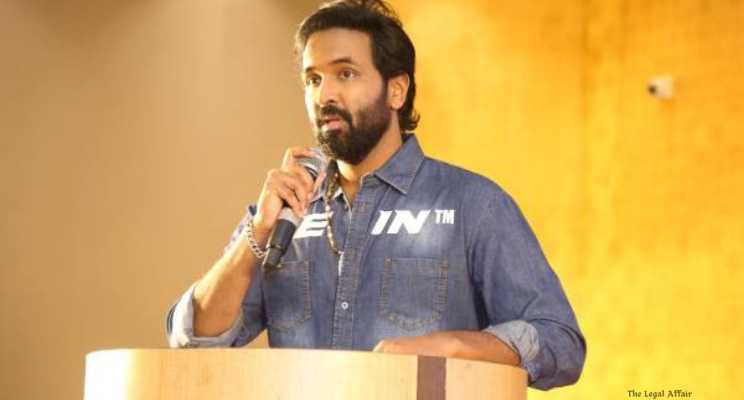
The Delhi High Court recently delivered a significant ruling in favor of actor and film producer Vishnu Manchu, primarily known for his contributions to Telugu cinema. In a lawsuit addressing unauthorized use of his personality elements—including his name, voice, image, and likeness—Manchu sought protection from several YouTube channels misappropriating these elements without consent. The suit, filed against ten unnamed YouTube channels, asserted that their actions were likely to create confusion and deception among the public, infringing upon Manchu’s personality rights. Justice Mini Pushkarna presided over the case, recognizing the prima facie validity of Manchu’s claims and granting an interim injunction to prevent further unauthorized use of his personality.
Arguments of the Petitioner:
Vishnu Manchu’s legal team argued that his personality is an integral part of his identity as an actor and producer, and any unauthorized exploitation of his name, image, or likeness poses a direct threat to his reputation and personal brand. The suit detailed several instances of misuse, including the creation of content that compared his image to animals, morphed his face onto other bodies, and associated him with defamatory materials and pornographic websites. The plaintiff maintained that these actions not only misrepresented him but also exploited his celebrity status for financial gain.
Manchu’s counsel emphasized that no individual or entity should be allowed to imitate or misappropriate any aspect of his personality without his explicit consent. They contended that the unauthorized use of his persona not only violated his rights but also caused irreparable harm to his reputation and public image. The plaintiff asserted that the rapid dissemination of such harmful content through digital platforms could lead to lasting damage that could not be rectified even through subsequent legal actions.
Arguments of the Respondents:
The defendants, represented by various counsel, sought to contest the allegations, claiming that the videos in question fell under the category of commentary and criticism, which are protected forms of expression. They argued that their use of Manchu’s likeness was intended for entertainment purposes and did not amount to commercial exploitation. Furthermore, the defendants contended that their actions were protected under the banner of fair use, arguing that they were not seeking to profit directly from Manchu’s personality.
In their defense, the respondents also emphasized the importance of freedom of expression and the right to critique public figures in a democratic society. They claimed that the content created was purely satirical and did not intend to harm or misrepresent Manchu. However, they were unable to provide satisfactory evidence that the material did not infringe on the actor’s rights or that it was created with proper disclosures as mandated by law.
Court’s Judgment:
After carefully considering the arguments from both sides, Justice Mini Pushkarna concluded that Vishnu Manchu had established a prima facie case for an interim injunction. The court recognized that the unauthorized use of Manchu’s personality could indeed cause him irreparable harm if not promptly addressed. Justice Pushkarna ordered an ex-parte ad interim injunction against the defendant YouTube channels, including the unidentified John Does, prohibiting them from creating, publishing, or disseminating any content that defamed Manchu or infringed upon his personality rights.
The court emphasized the importance of protecting an individual’s personality rights, especially in the context of emerging digital platforms where unauthorized content can spread rapidly. The ruling underscored that no entity could commercially exploit a celebrity’s persona without their explicit consent, even in future mediums like the Metaverse or artificial intelligence formats.
In addition, the court directed the Department of Telecommunications and the Union Ministry of Electronics and Information Technology to suspend the links and URLs associated with the infringing YouTube videos. The court further clarified that if YouTube determined that any content was not infringing, the platform could communicate this to Manchu, who would then be free to seek further legal recourse.
The matter is set to be heard again on January 22, allowing the parties to present further evidence and arguments regarding the ongoing issue of personality rights and their infringement in the digital age.