


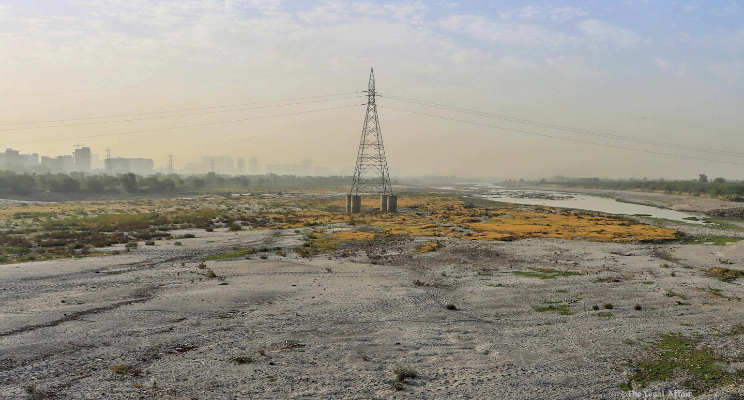
Introduction:
On July 8, 2024, the Delhi High Court issued a significant order concerning the encroachment and illegal constructions on the Yamuna River Bank. The case, Shabnam Burney v. Union of India and Others, saw a division bench comprising Acting Chief Justice Manmohan and Justice Tushar Rao Gedela addressing a plea aimed at rectifying unauthorized developments along the Yamuna River. The petitioner, Shabnam Burney, sought judicial intervention to compel city authorities to take immediate action against these illegal activities. The Court’s decision has set in motion a coordinated effort to address the encroachments and preserve the Yamuna’s natural environment.
Arguments of Both Sides:
In the proceedings, the petitioner’s counsel, Mr. Sumit Kumar, emphasized the urgent need for legal measures to halt and dismantle the unauthorized constructions encroaching upon the Yamuna River Bank, river bed, and the associated floodplains. He argued that these encroachments not only violate environmental laws but also exacerbate the risk of flooding and environmental degradation. The plea sought a directive for the demolition of these structures and a prohibition on future illegal constructions to ensure the river’s ecological balance and the safety of the floodplains.
Representatives from the Delhi Government and Delhi Police acknowledged the gravity of the issue, stating that numerous representations had been made to the Delhi Development Authority (DDA) and Municipal Corporation of Delhi (MCD) regarding these illegal constructions. Their stance was that while they recognized the problem, there was a need for a structured approach to address it effectively. They supported the appointment of a senior official to lead the cleanup efforts.
The counsel for MCD echoed the sentiment that urgent and coordinated action was required. They proposed that the Vice Chairman of the DDA be appointed as the Nodal Officer to spearhead the removal of encroachments and manage the cleanup operation. They argued that the Vice Chairman’s leadership would ensure effective coordination among various agencies and expedite the process of clearing illegal constructions.
Court’s Judgment:
In its order, the Delhi High Court agreed with the counsel’s suggestion to appoint the Vice Chairman of DDA as the Nodal Officer for overseeing the removal of encroachments and illegal constructions along the Yamuna River. The Court emphasized that the Vice Chairman would have the responsibility to coordinate with multiple stakeholders, including the MCD, Delhi Police, DMRC, PWD, Delhi Pollution Control Board, and the Forest Department. This decision reflects the Court’s recognition of the need for a comprehensive and collaborative approach to address the complex issue of illegal constructions on the river bank and floodplains.
The Court directed the Vice Chairman to convene a meeting with all relevant officials within a week of the order to devise an action plan for the demolition of illegal structures and to address encroachments on the river bank, river bed, and the drains leading into the Yamuna. Furthermore, the Court mandated the Vice Chairman to submit a detailed action taken report within six weeks, documenting the progress of the cleanup efforts and any challenges faced during the process.
By appointing a high-ranking official as the Nodal Officer, the Court aimed to ensure that the cleanup efforts would be effective and that there would be accountability for the management of this crucial environmental issue. The Court’s order also underscored the necessity of inter-agency cooperation and the need for immediate action to prevent further illegal activities.