


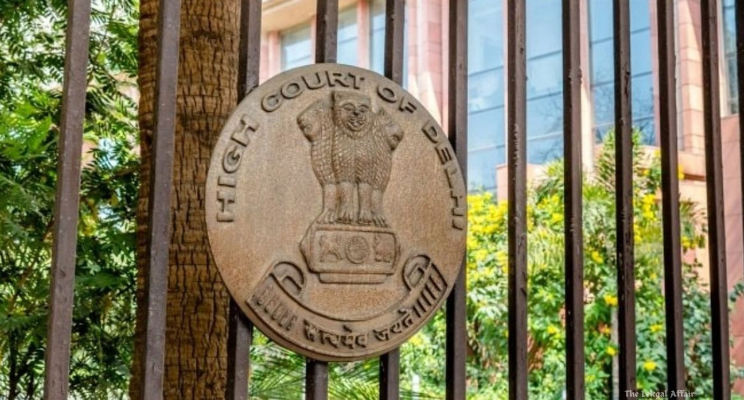
Introduction:
In the case DAZN Limited & Anr. v. Back.methstreamer.com & Ors. (CS(COMM) 1149/2024), the Delhi High Court, through Justice Manmeet Pritam Singh Arora, delivered a significant ruling in the realm of digital copyright enforcement by permanently restraining twenty-eight rogue websites from illegally streaming an internationally acclaimed heavyweight boxing event featuring Tyson Fury and Oleksandr Usyk, held on December 21, 2024. DAZN Limited, a global sports streaming giant, and its Indian subsidiary approached the court seeking protection of their exclusive broadcasting rights granted under a Rights Confirmation Letter dated December 8, 2024, claiming that the identified rogue websites were unlawfully hosting, streaming, and making available digital broadcasts of the event, thereby infringing their statutory and contractual rights. The plaintiffs asserted that such unauthorized streaming not only caused substantial financial loss, but also diminished the commercial value and exclusivity of their rights, undermining the integrity of sports broadcasting in the digital era. Summons were issued, but none of the defendants appeared or filed written statements, paving the way for the Court to consider the suit undefended and to rule in favour of the plaintiffs based on unrebutted evidence.
Arguments of Both Sides:
The plaintiffs argued that they possessed exclusive television, digital, and ancillary media rights for the broadcast of the boxing event in India. They produced the Rights Confirmation Letter dated December 8, 2024, issued by the authorized rights holder, which categorically recorded the grant of exclusive Indian broadcast and streaming rights to DAZN Limited. According to the plaintiffs, several rogue websites including the twenty-eight defendants had been illicitly streaming the event, either in whole or in part, without authorization. The plaintiffs submitted detailed evidence, including screenshots, URLs, tracking reports, and technical affidavits showing that these websites were routinely engaged in hosting sports content, including paid digital broadcasts, without obtaining necessary licenses. They further highlighted that such websites frequently changed domain names, operated using hidden or bogus registrant details, relied on mirror links, and used evasive technical mechanisms such as proxy servers and dynamic IP hosting to avoid detection. DAZN argued that this pattern clearly showed malafide intent, systematic piracy, and a business model centered on stealing premium sports content. They contended that piracy severely impacts revenue streams, reduces subscription appeal, undermines exclusive rights, and damages the goodwill of legal broadcasting platforms. The plaintiffs pointed out that the Court had earlier granted an ex-parte ad-interim injunction on December 18, 2024, directing domain registrars to lock and suspend the impugned domain names, ordering Internet Service Providers (ISPs) to block access, and instructing government bodies like the Department of Telecommunications and MeitY to issue compliance directives. Furthermore, DAZN sought uninterrupted interim protection by requesting liberty to notify additional infringing websites for immediate blocking without filing a fresh suit each time, given that pirated streaming sites typically emerge in clusters. On the other hand, the defendants—twenty-eight rogue websites—did not appear before the Court, did not file any counter-affidavits, written statements, or objections, and did not challenge any of the documentary or technical evidence submitted by the plaintiffs. Despite having been served with summons through multiple modes, including email, electronic service, and physical notices, the defendants chose not to contest the suit. Their non-appearance was interpreted by the Court as deliberate evasion, confirming the plaintiffs’ allegations of piracy. Owing to their absence, the Court considered the matter unopposed, and the plaintiffs’ claims remained unrebutted. The presence of counsel for registry and some tracking of technical aspects confirmed procedural compliance, but the defendants themselves gave no explanation or justification for hosting infringing content, nor did they attempt to claim fair use, rights ownership, or any form of licensing arrangement.
Court’s Judgment:
The Delhi High Court, relying on Order VIII Rule 10 of the Code of Civil Procedure and precedents such as Satya Infrastructure Ltd. & Ors. v. Satya Infra & Estates Pvt. Ltd., held that when a defendant fails to file a written statement within the prescribed statutory period despite being duly served, the allegations in the plaint are deemed admitted. In this case, the Court found that all rogue websites were properly served and given sufficient opportunity to participate in proceedings but failed to do so. Their silence, the Court held, validated the plaintiffs’ claims of piracy. After reviewing the materials on record—including rights confirmation documents, domain tracking reports, screenshots of infringing streams, and affidavits from technology monitoring agencies—the Court concluded that the defendants had illegally streamed the exclusive sporting event in violation of the plaintiffs’ copyright and broadcast reproduction rights. It observed that the defendants’ conduct was consistent with organized digital piracy, as the websites frequently uploaded large volumes of infringing content, operated anonymously, and caused substantial irreparable harm to DAZN’s financial interests and commercial rights. Justice Arora emphasized that exclusive broadcast rights represent valuable intellectual property, and unauthorized streaming diminishes subscription value, weakens digital broadcasting infrastructure, and undermines investments made by legitimate streaming platforms. The Court reiterated that rogue streaming sites are notorious for rapid content dissemination, easy access, global reach, and repeat violations, making judicial intervention essential. The Court noted that the case involved “clear and deliberate infringement” and found no reason for a trial given the uncontested facts. The earlier ad-interim injunction orders were reviewed and upheld, and the Court declared that DAZN had successfully demonstrated infringement, irreparable harm, and the need for a permanent injunction to prevent continued violations. Consequently, the Court decreed the suit in favour of the plaintiffs and permanently restrained all twenty-eight rogue websites, their owners, operators, agents, and anyone acting on their behalf from streaming, hosting, reproducing, transmitting, distributing, or making available any content over which DAZN holds exclusive broadcast rights. The Court also directed domain name registrars to keep the infringing domains locked and suspended and ordered ISPs to ensure continued blocking of the websites. DAZN was granted ongoing liberty to notify additional infringing websites, enabling swift enforcement measures against emerging pirate domains linked to the rogue network. The Court’s judgment reinforced that protection of intellectual property is vital for sustaining digital markets, encouraging investments in sports broadcasting, and maintaining the integrity of licensed content distribution platforms. It underscored that the digital environment requires strong judicial support to combat online piracy, especially where illegal streaming operations damage legitimate businesses and distort consumer markets. The decision thus stands as a comprehensive affirmation of the rights of licensed broadcasters and a strong condemnation of illegal digital piracy.